Home to four of the fourteen ‘eight thousanders‘ (mountains higher than 8000m), the region of Baltistan comprises of several beautiful valleys with innumerable streams and rivers and has a rich ancient culture, it is an amazing place to visit and explore both for the adventurers and those looking for serenity and nature. I have had the chance to visit the area in summer and fall, each season offering a unique experience. Until a few years back, access to the region was difficult as one had to fly in to Gilgit and then travel around 6 hours to get to the city of Skardu by road. However, now there is a functional airport, with flights from Lahore, Islamabad and even Dubai in the summer, the Islamabad-Skardu route operating the year around. I flew in from Lahore in the early summer, staying for a few days in Skardu before travelling around the area.

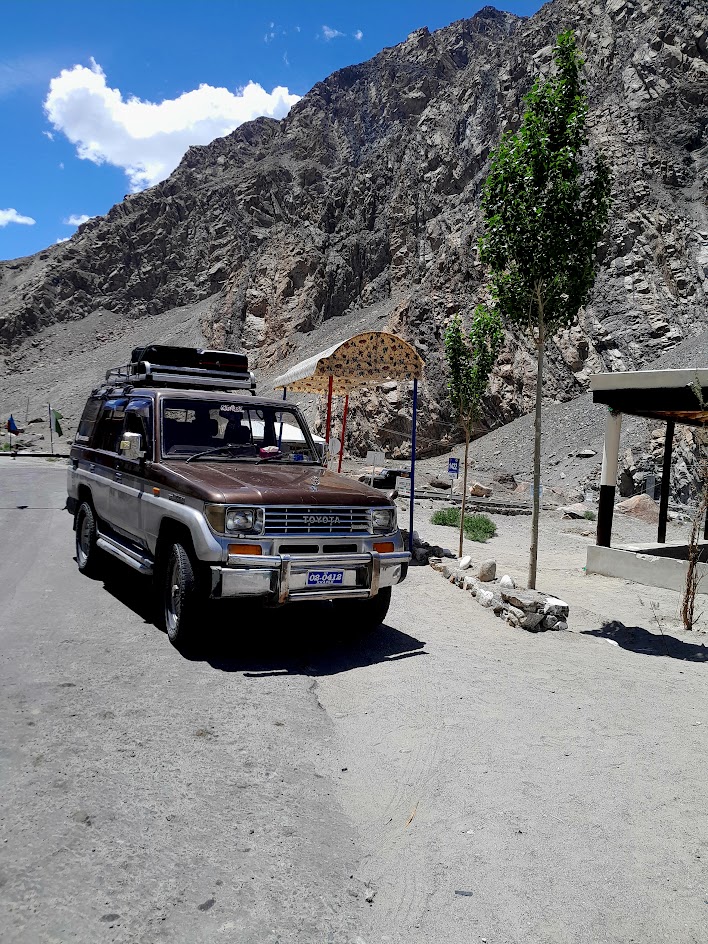
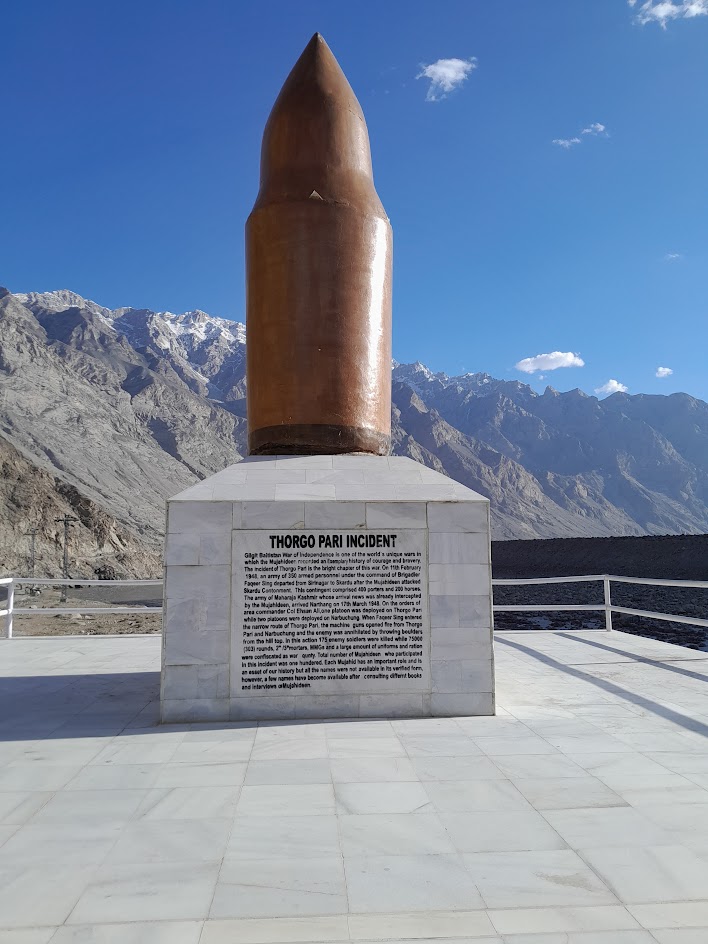
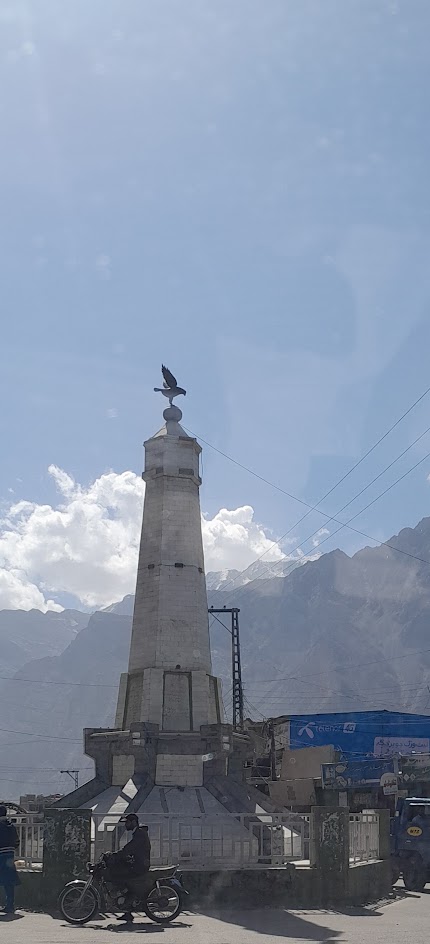
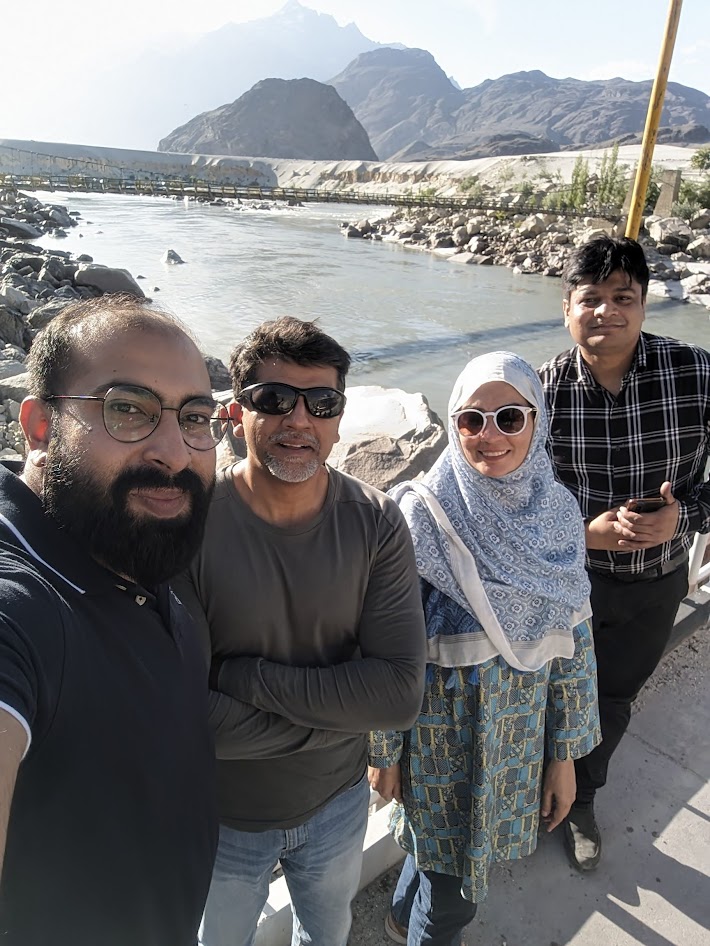
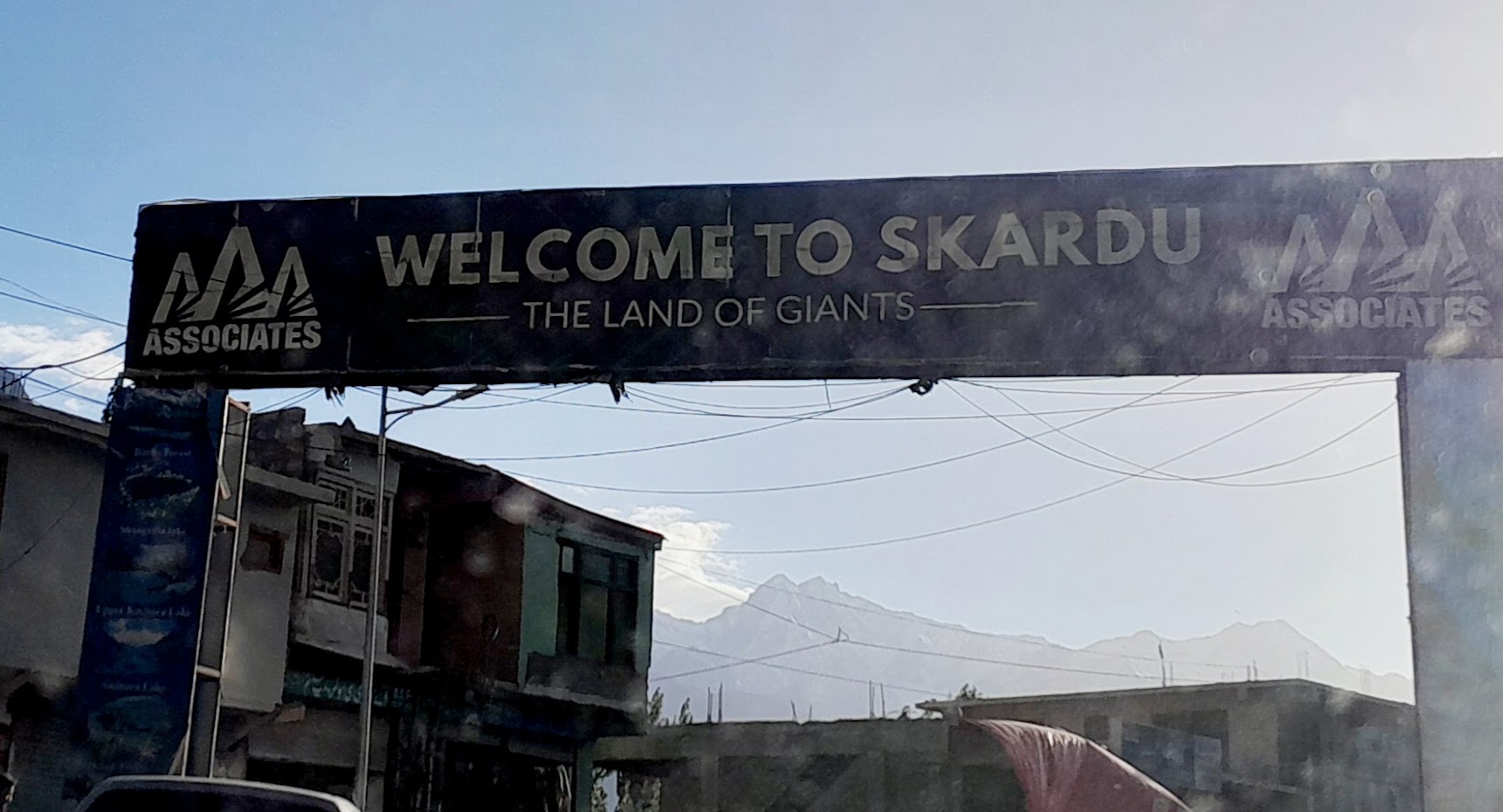
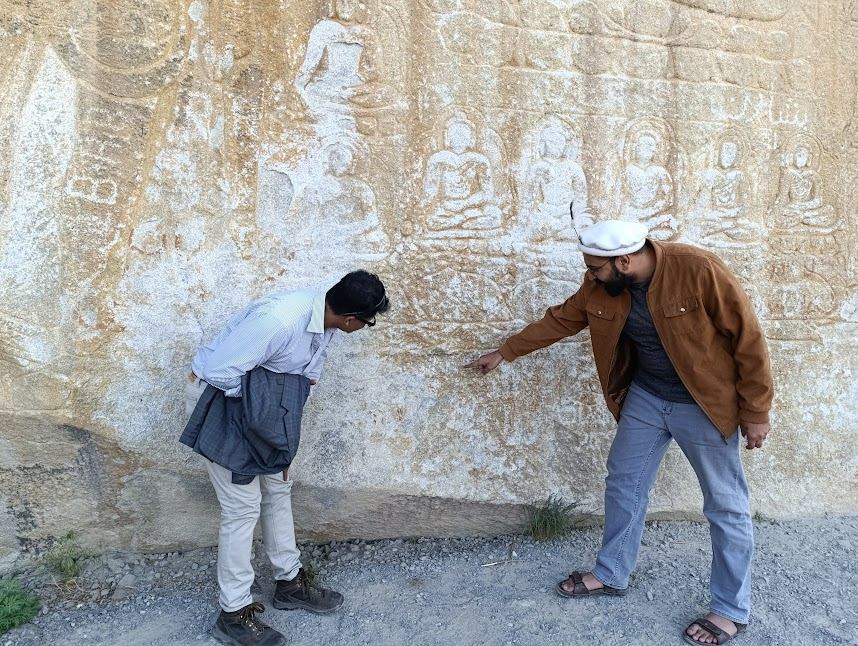
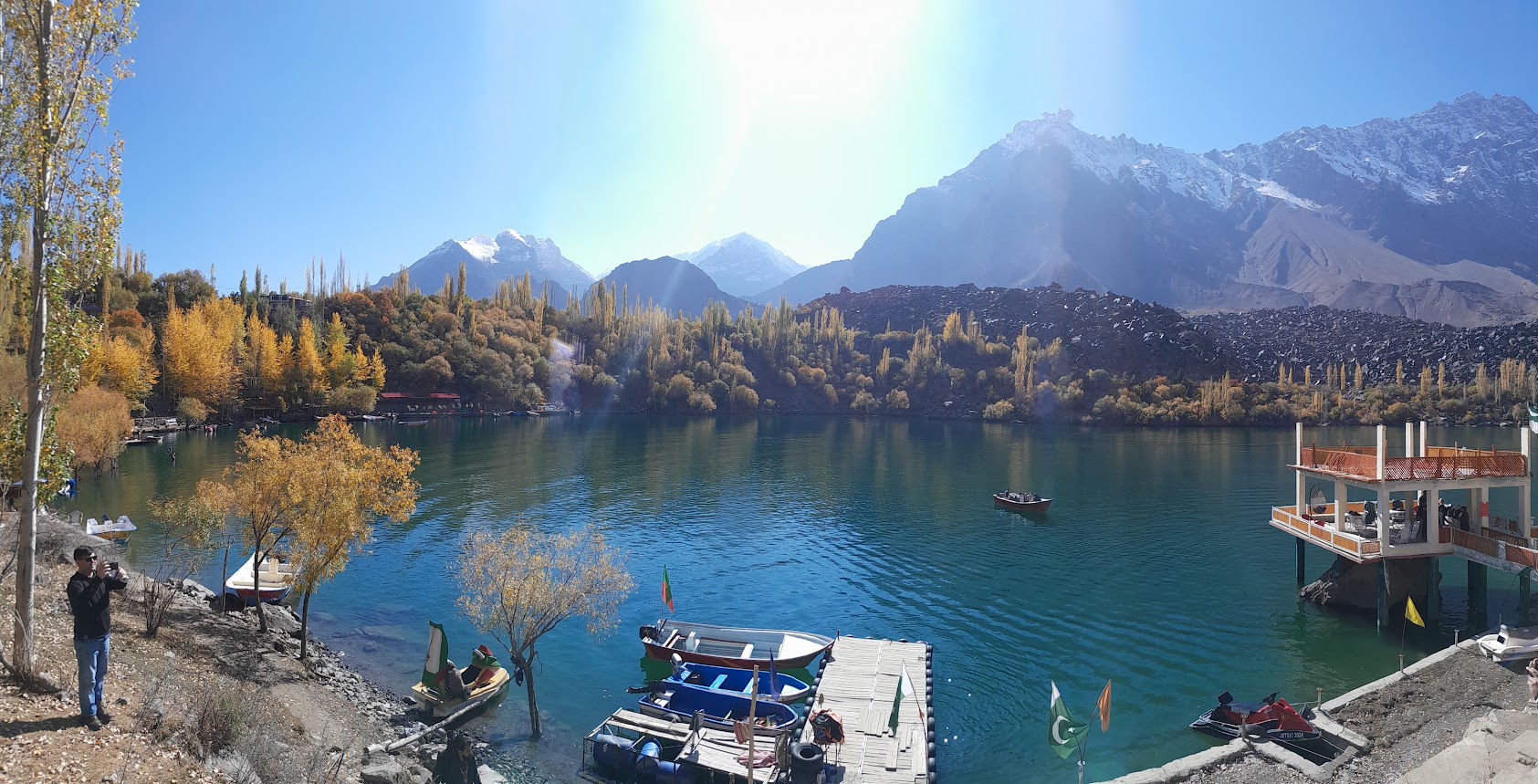
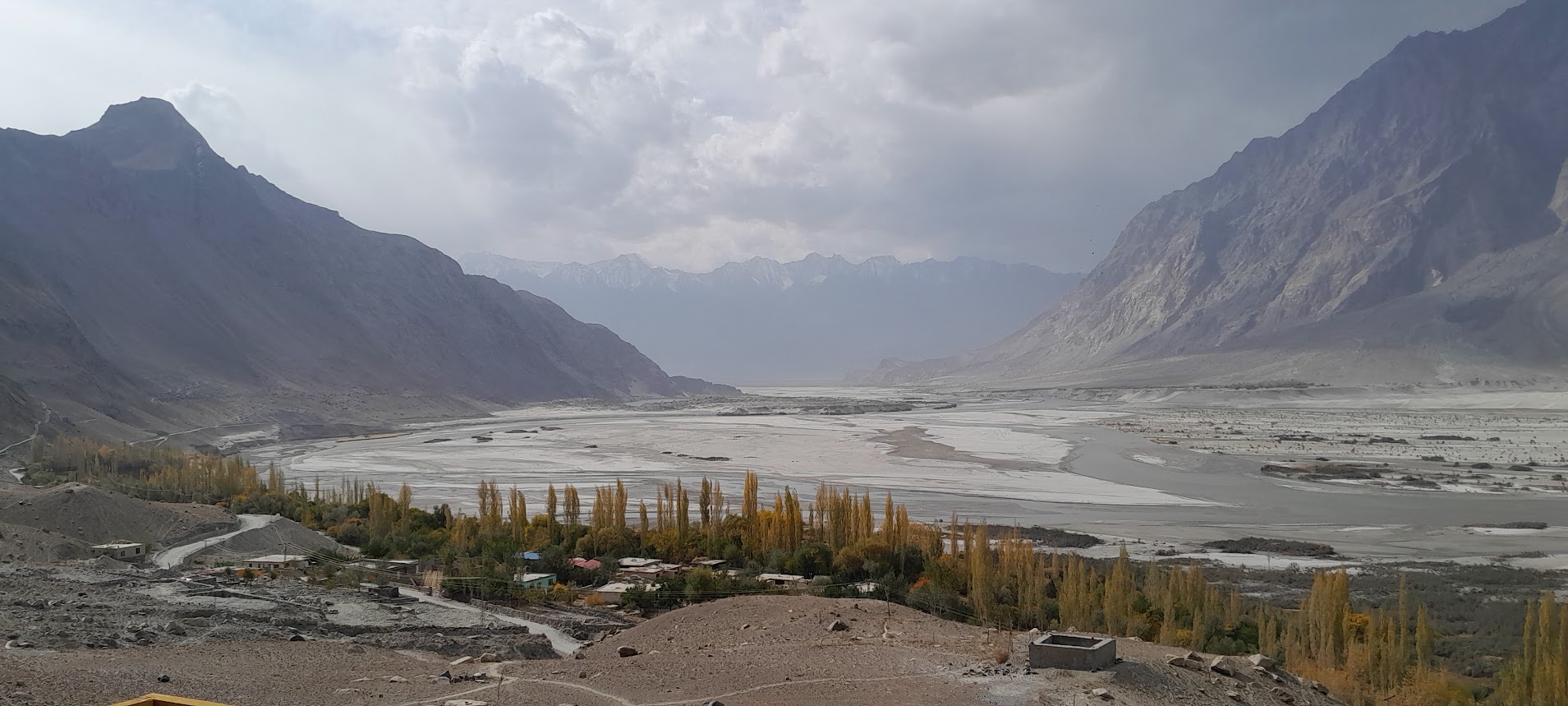
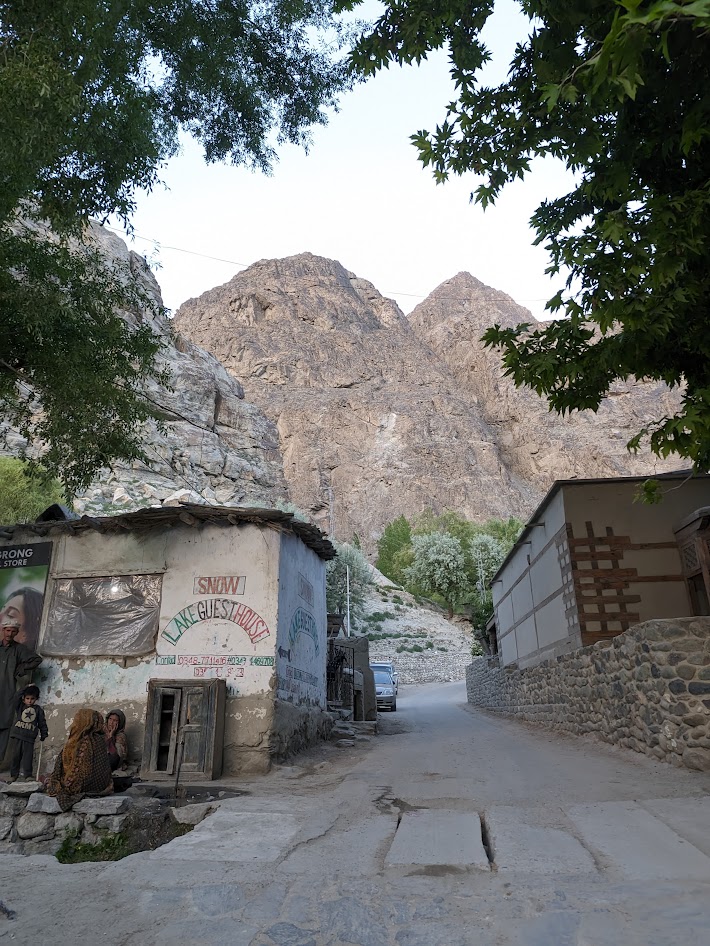
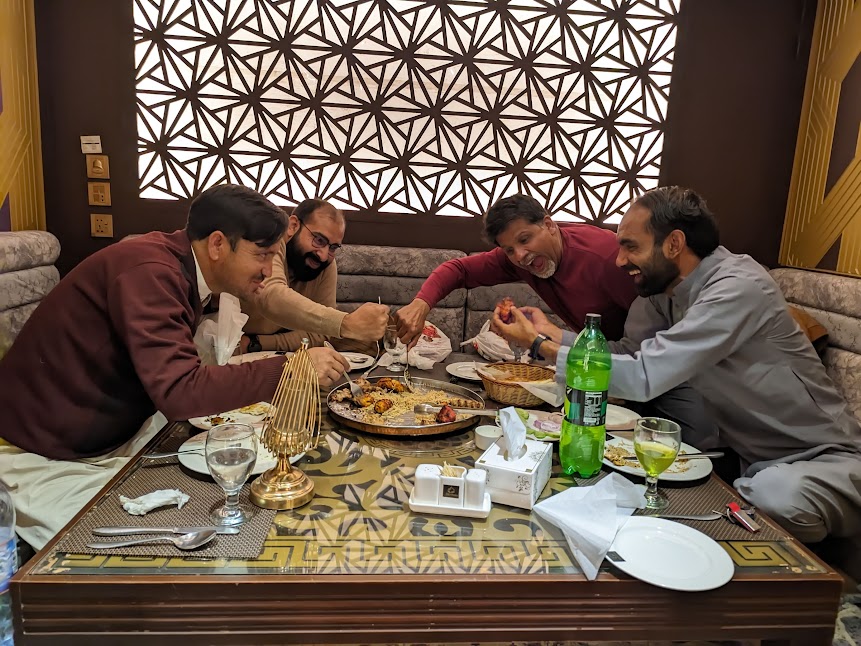
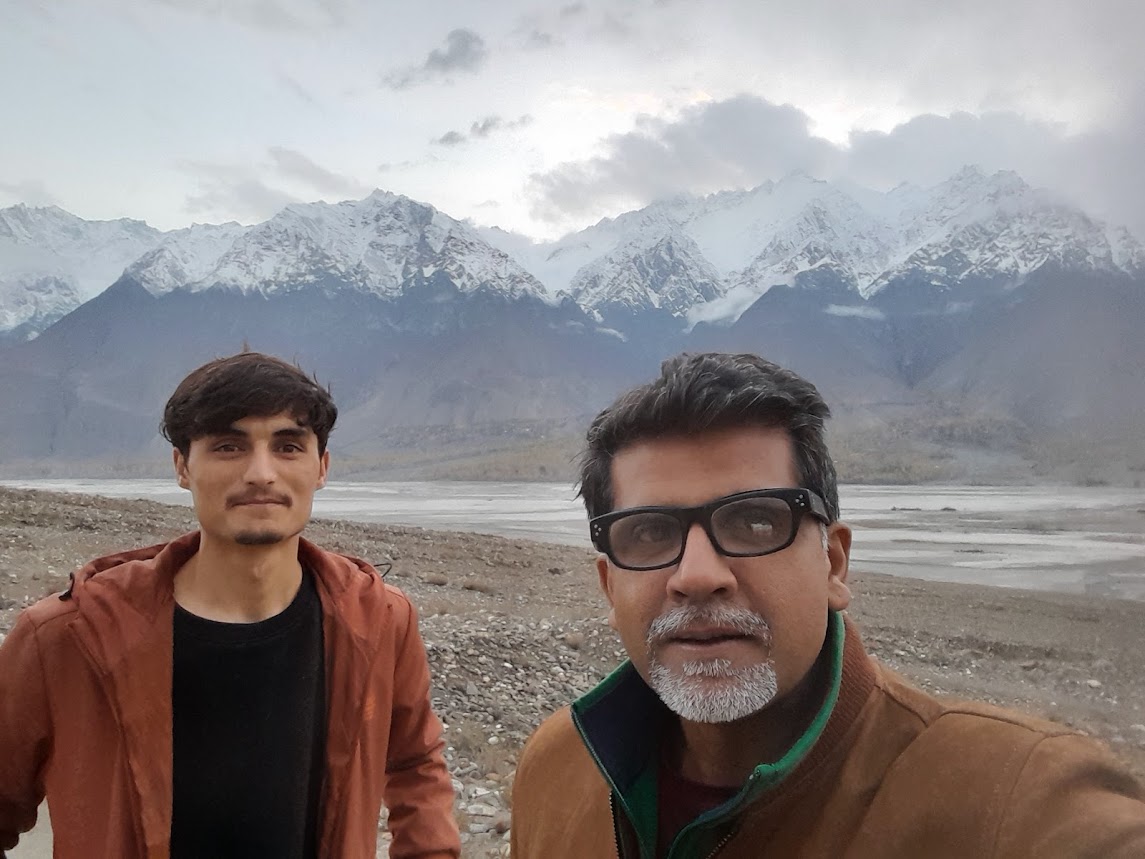
Skardu, the regional capital of Baltistan is a city situated at the confluence of the Indus and Shigar rivers, it is known as the gateway to the base camp of K2 (Chogori), the second highest peak in the world . While the valley itself has been inhabited since ancient times the city itself dates from the 16th century. In the ancient times the area was part of the greater Tibetan kingdom and the strong Buddhist influence can be seen in the many monuments still intact today. Around the 10th century the region broke free from the Tibetan empire (and hence Buddhism) and for the next several hundred years the area was ruled by the Maqpon dynasty until the Dogras of Kashmir and finally the British took over in the 19th century. Spiritually it came under the influence of the Sufi Noorbakhshi sect (a unique combination or Shia and Sunni practices and beliefs), which is still the dominant ideology in the area today. From Skardu one can visit the Sadpara and Kachura lakes, which offer stunning views and water sports the year around. Also close by is the town of Shigar where the old fort ‘Fong-Khar‘ of the Amacha kings stands, this has been restored and a hotel built around it.
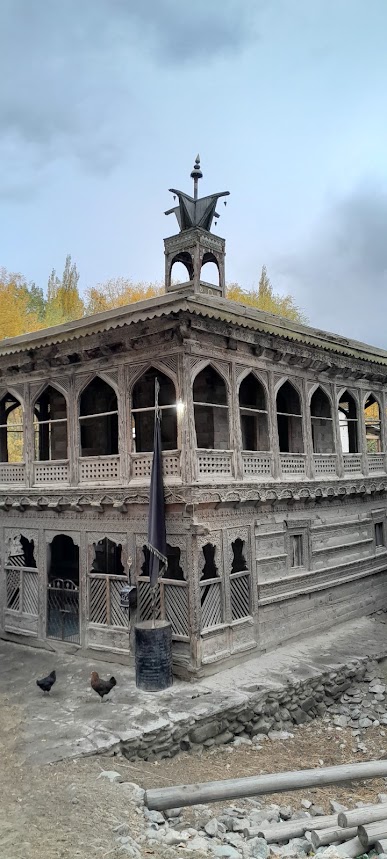
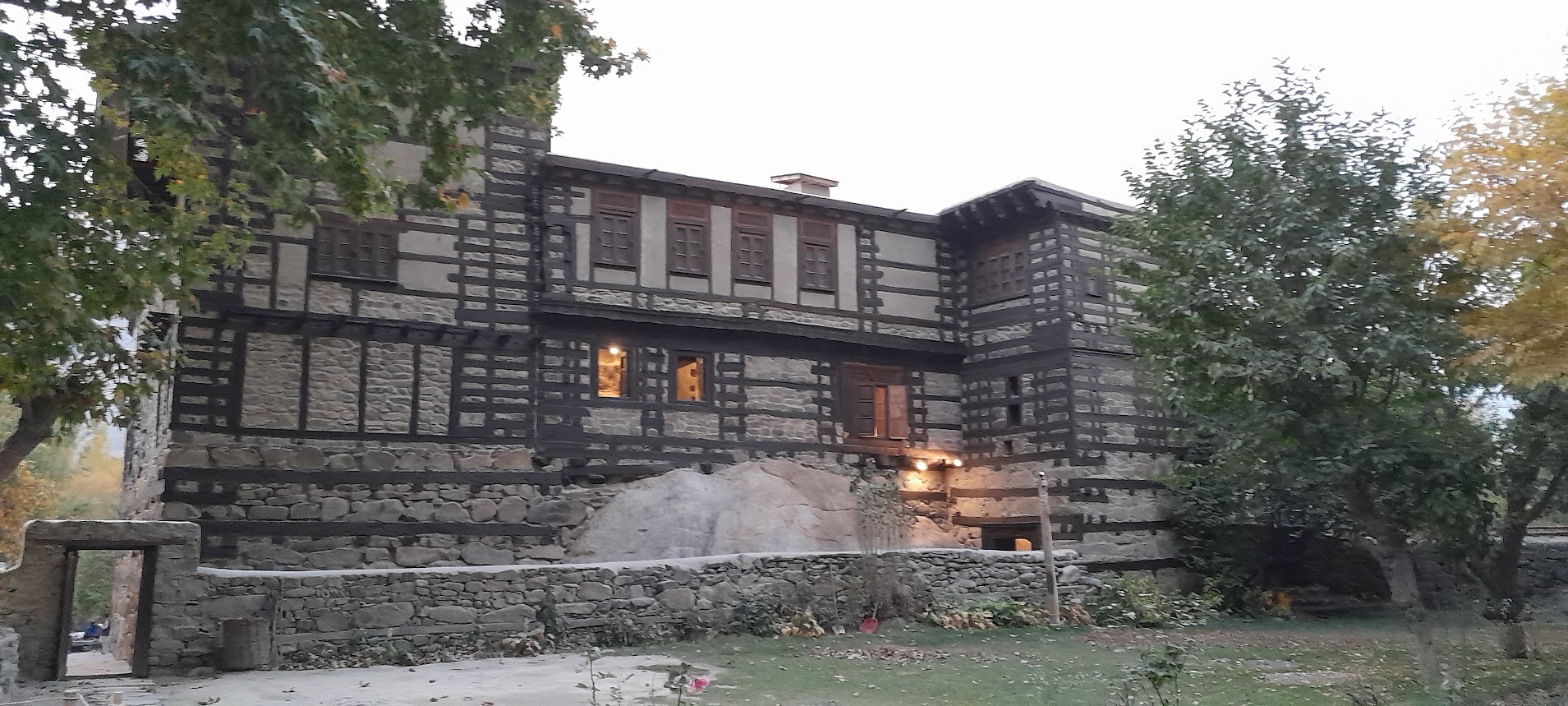
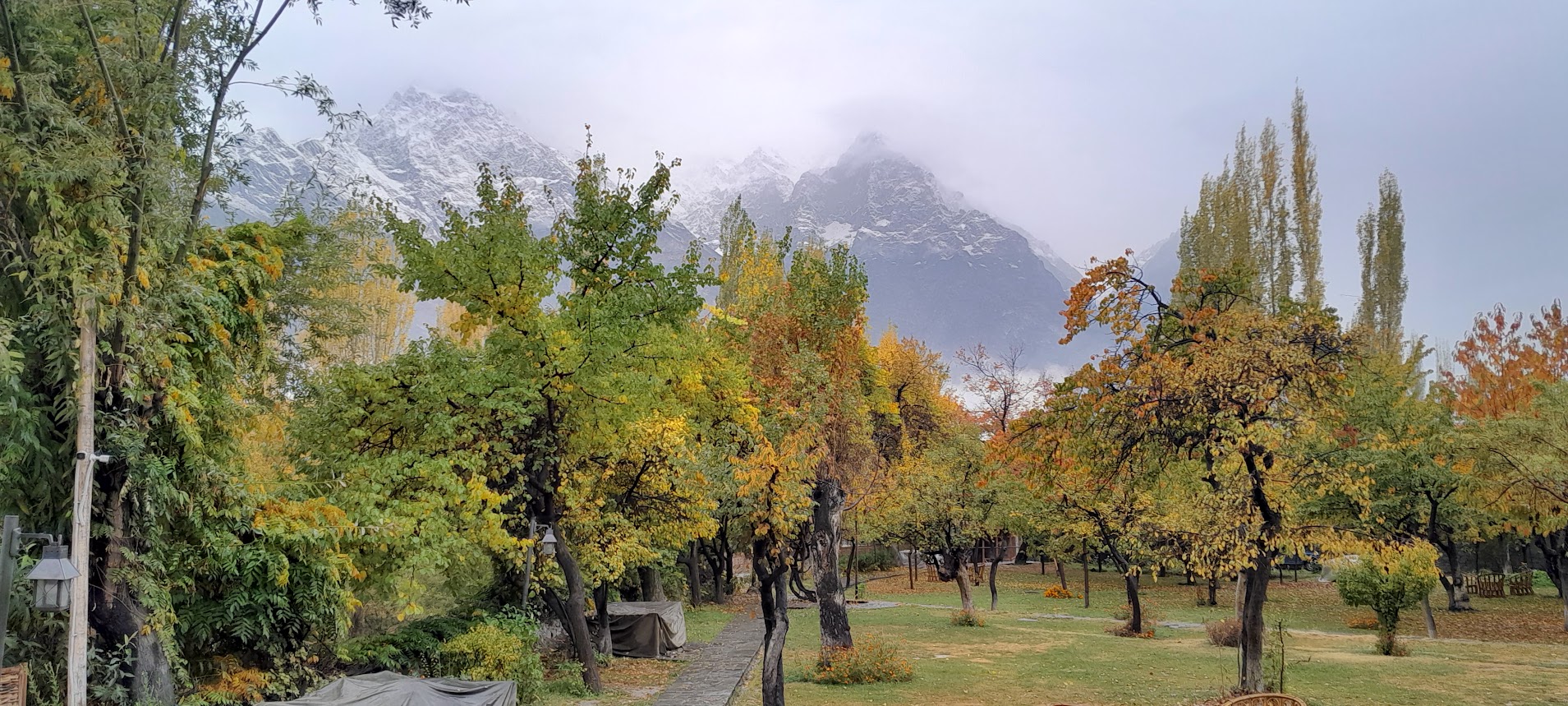
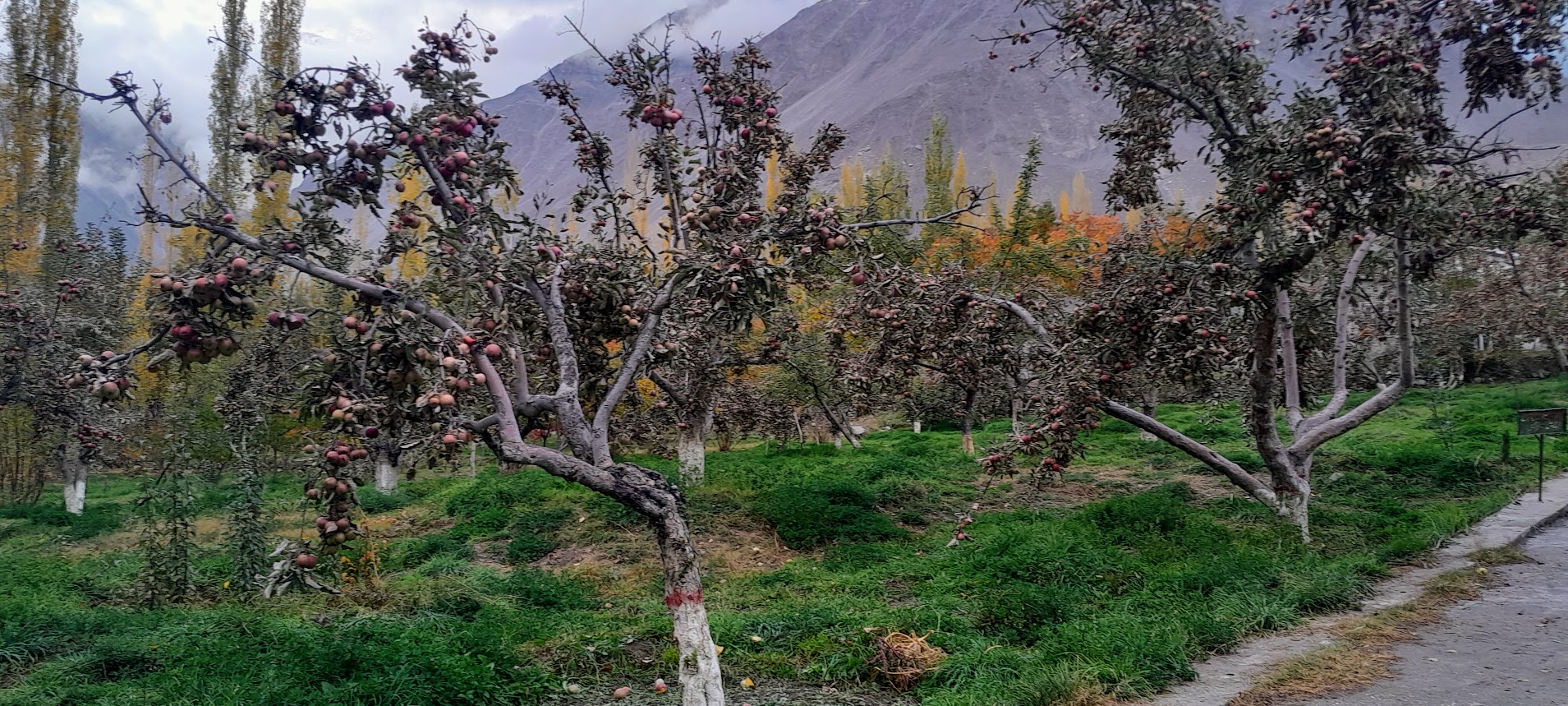
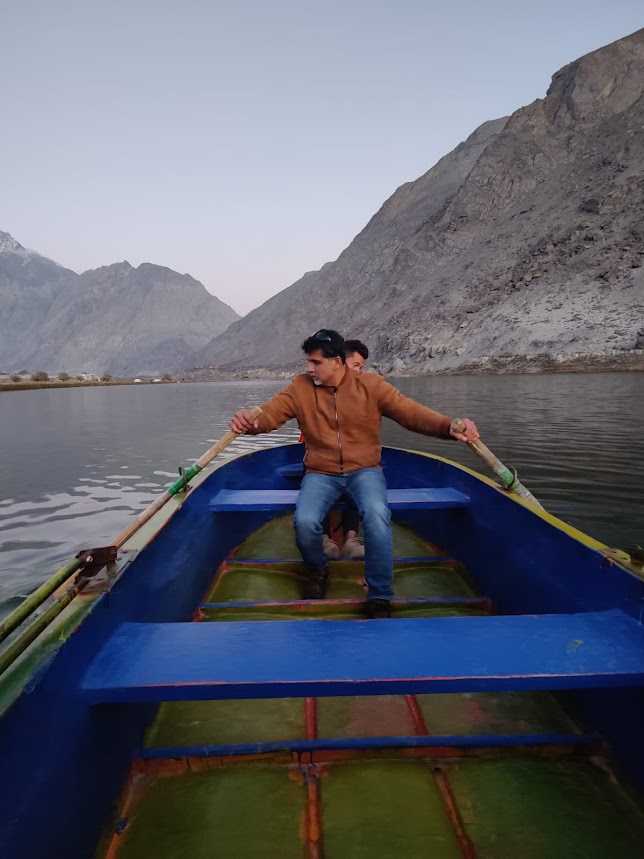
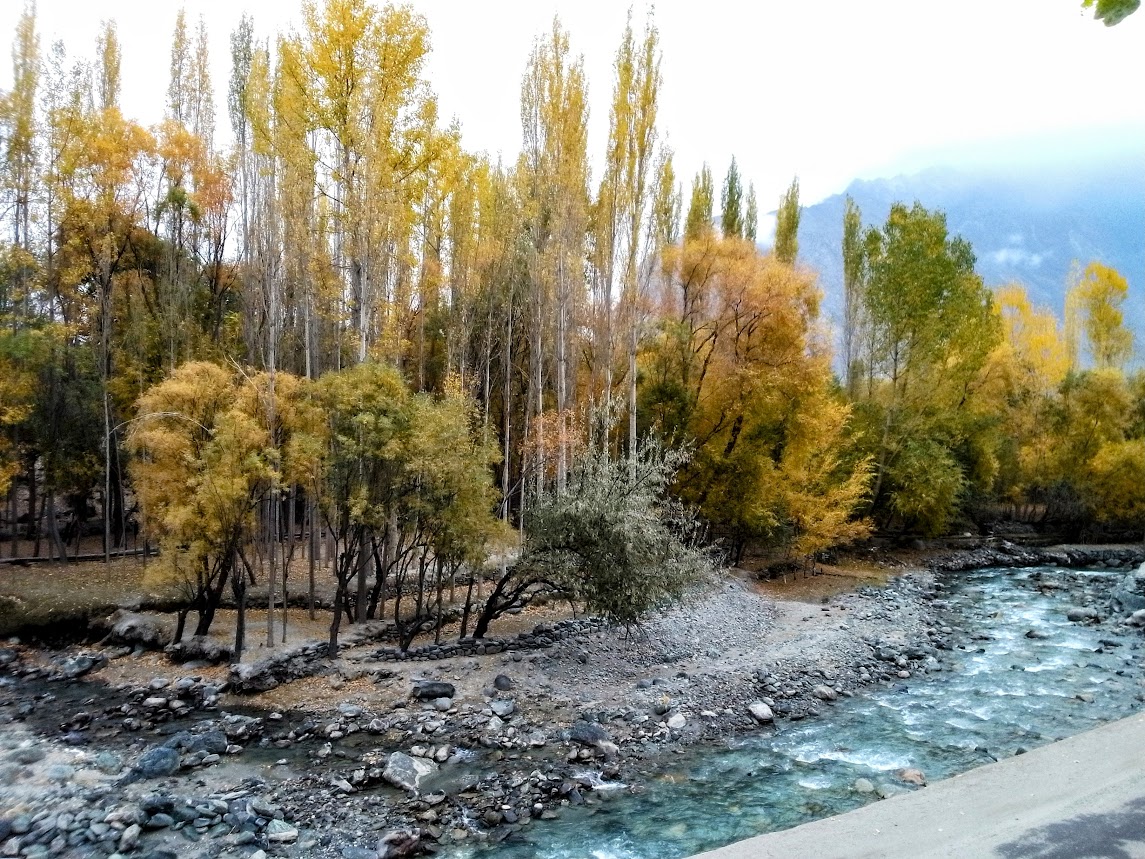
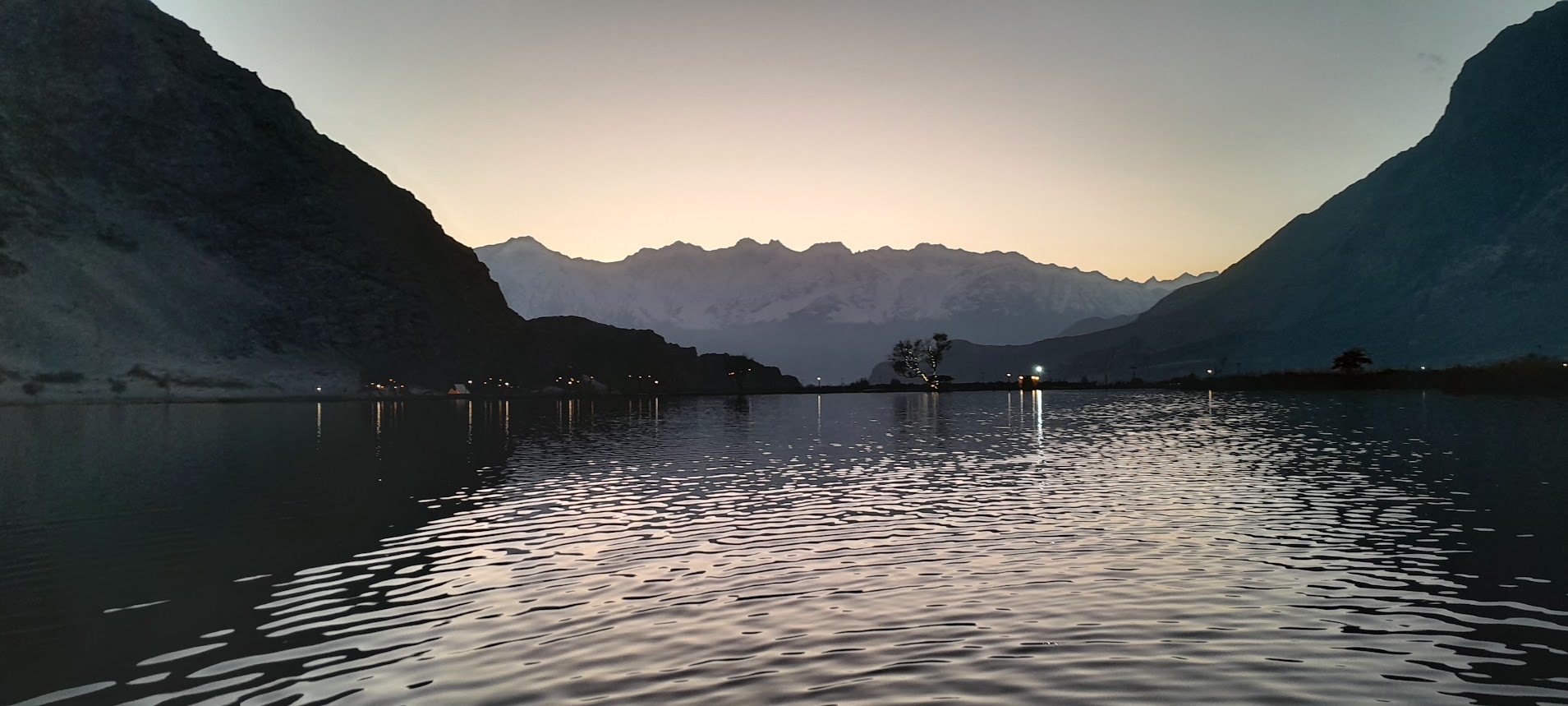
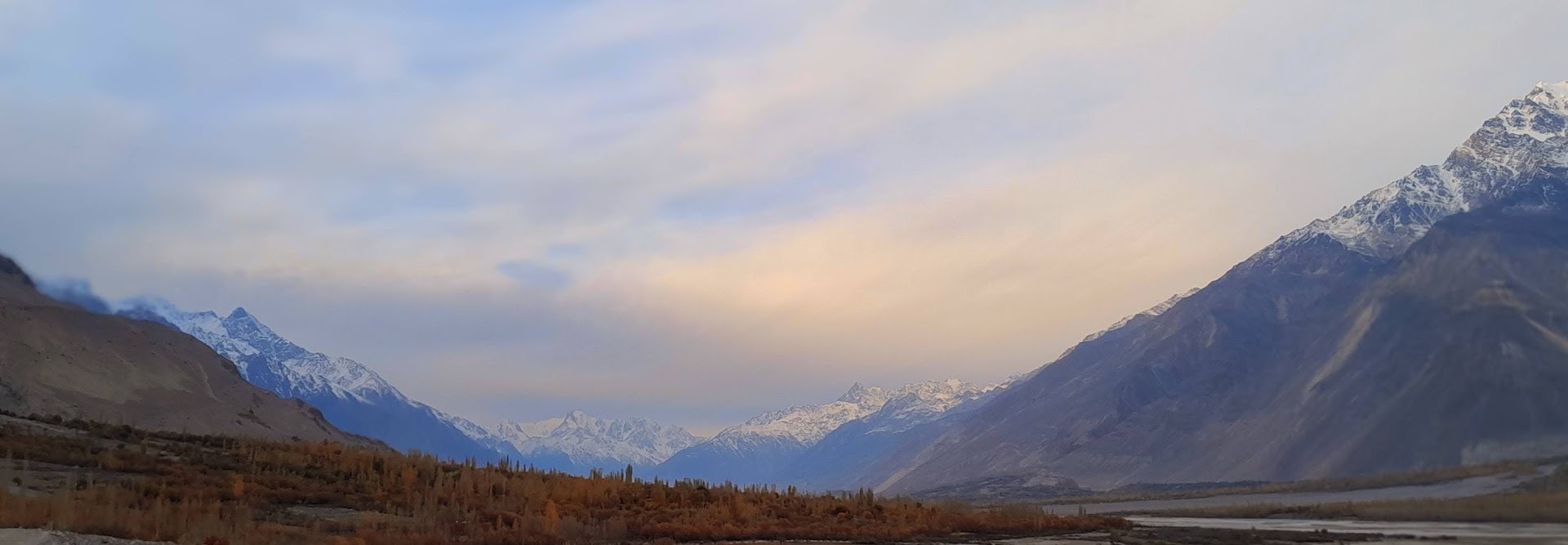
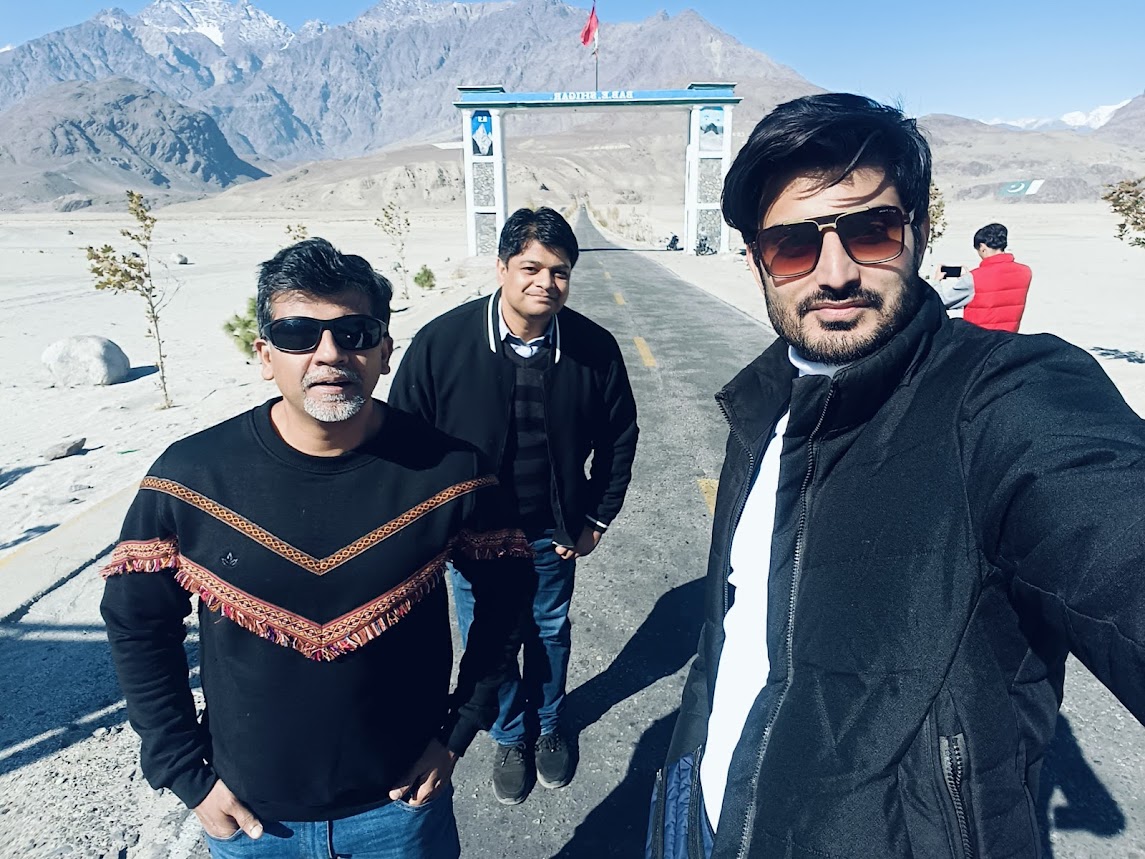
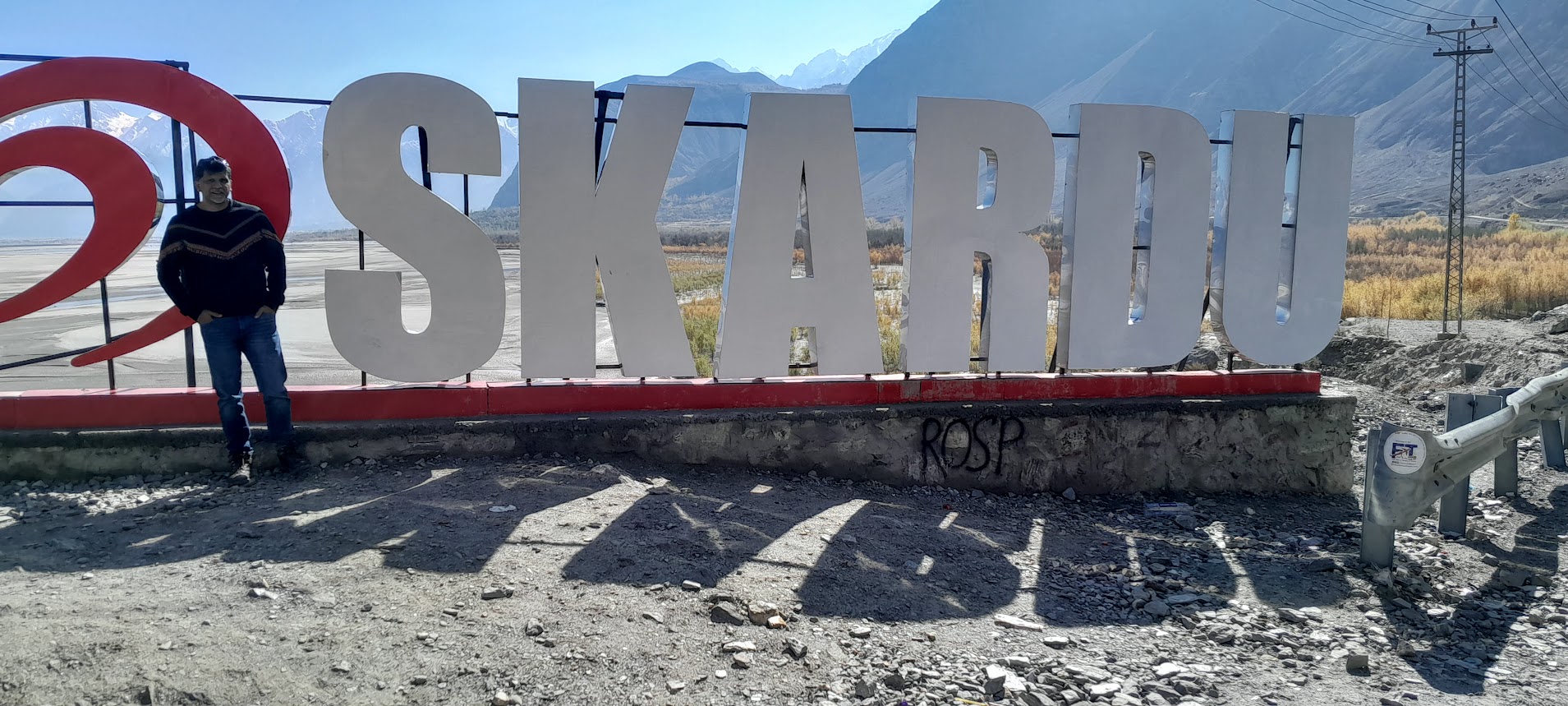
Amburiq and Khillingrong mosques in Shigar are good examples of the unique architecture of the area. The high altitude cold desert of Sarfranga lies between Skardu and Shigar is quite worth the visit. The many lakes and orchards in the region add to the experience in the region. About an hours drive from Skardu is the Deosai plain, which is the second highest plateau in the world, crossing this (the off road track is open in the summers) leads to another valley of the Giglit-Baltistan region called Astore (more on this in another post).
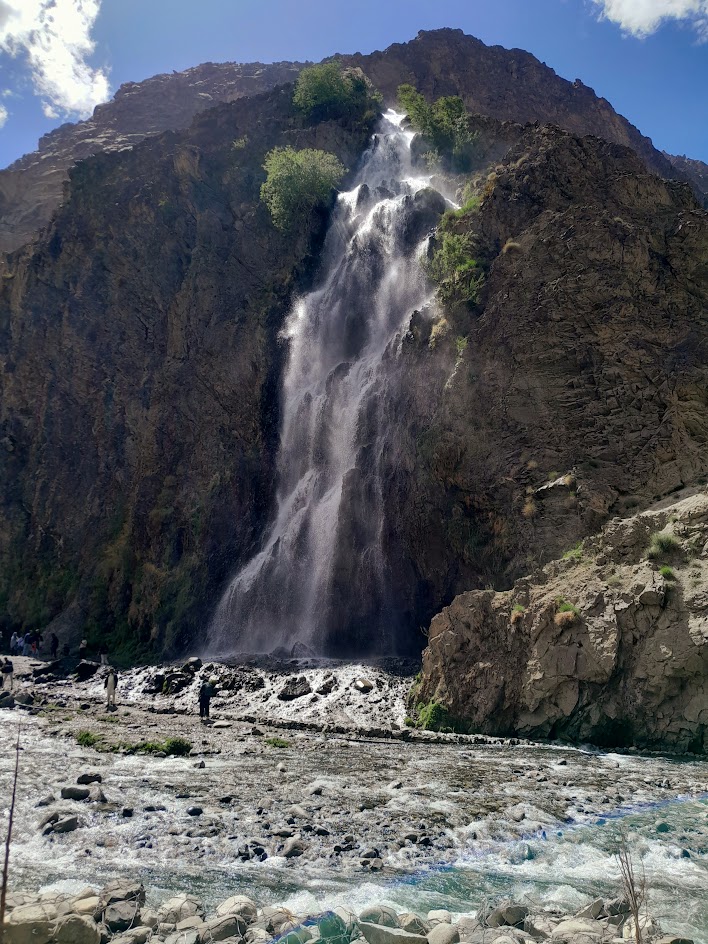
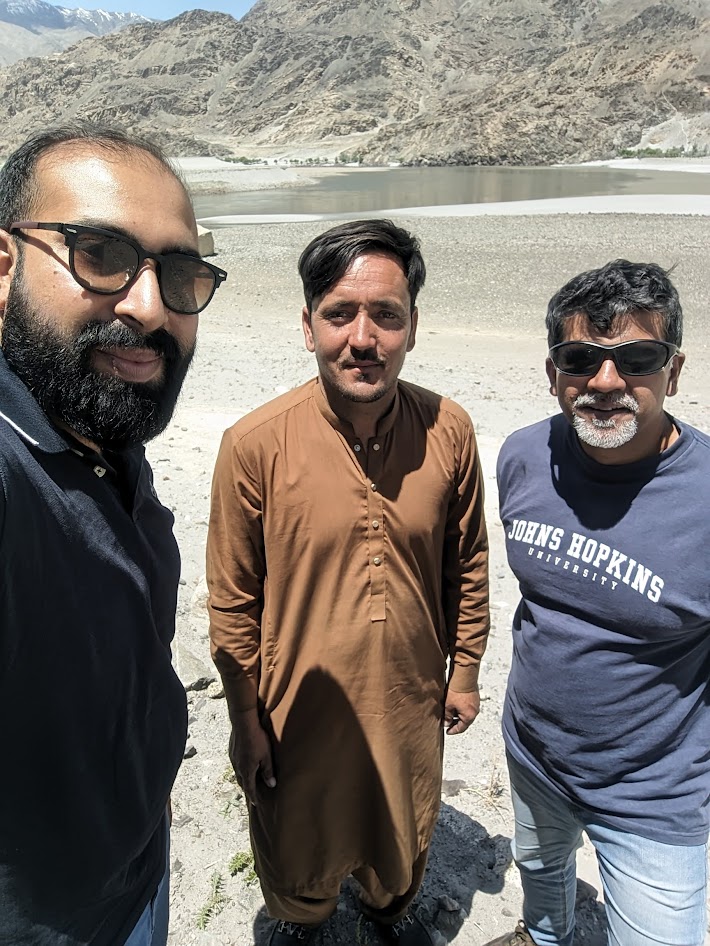
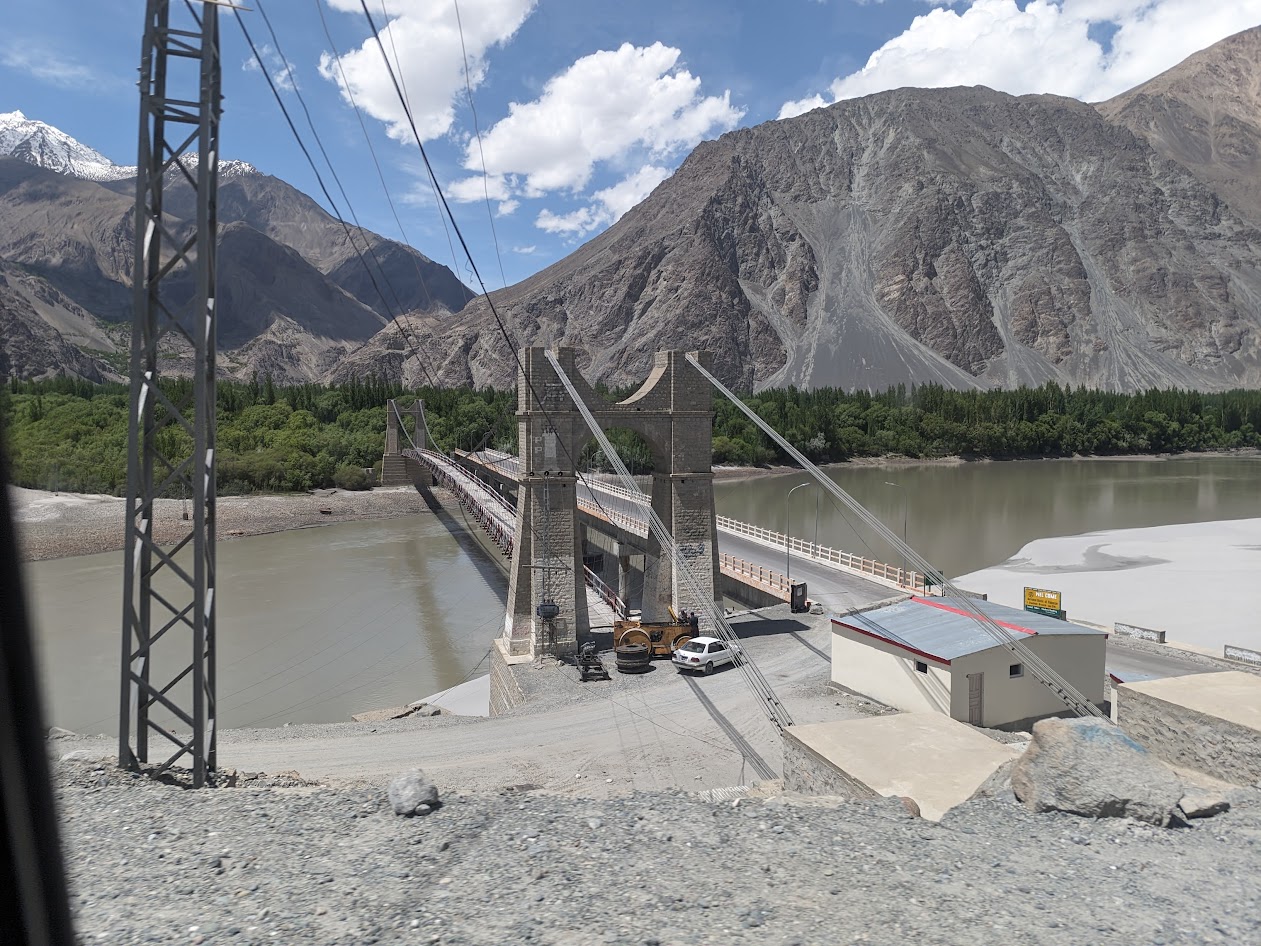
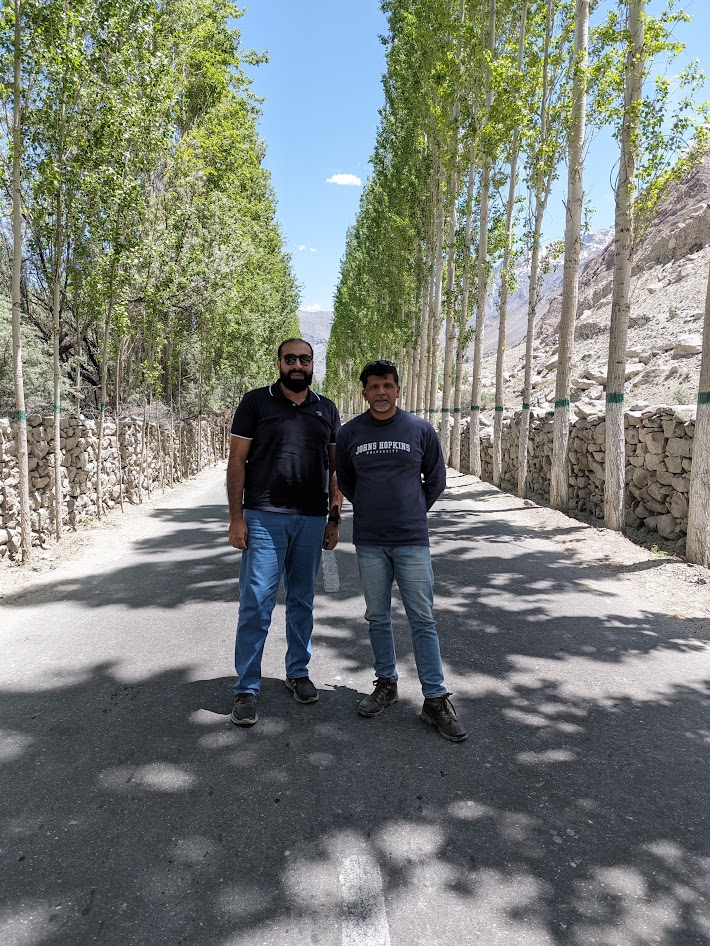
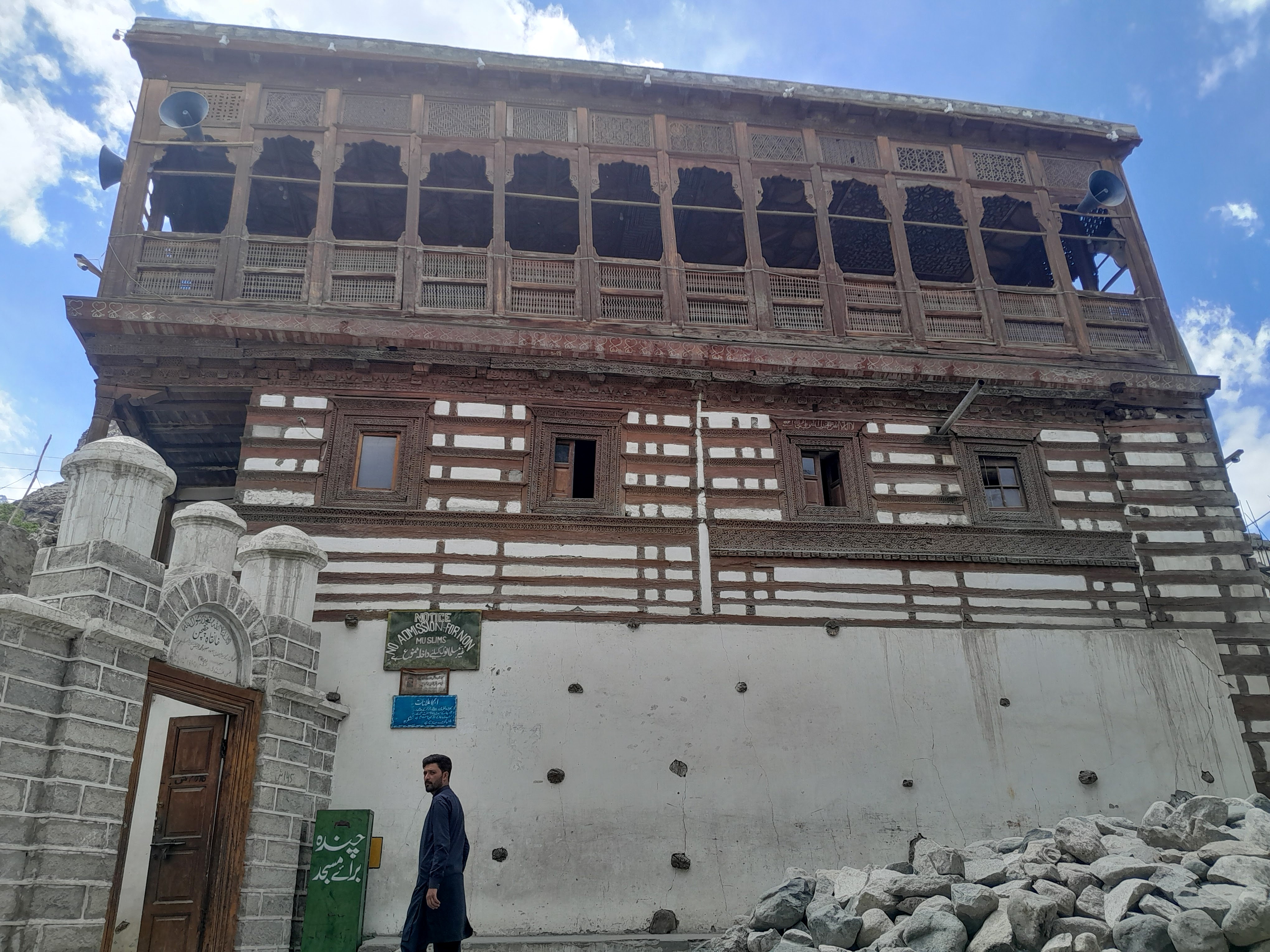
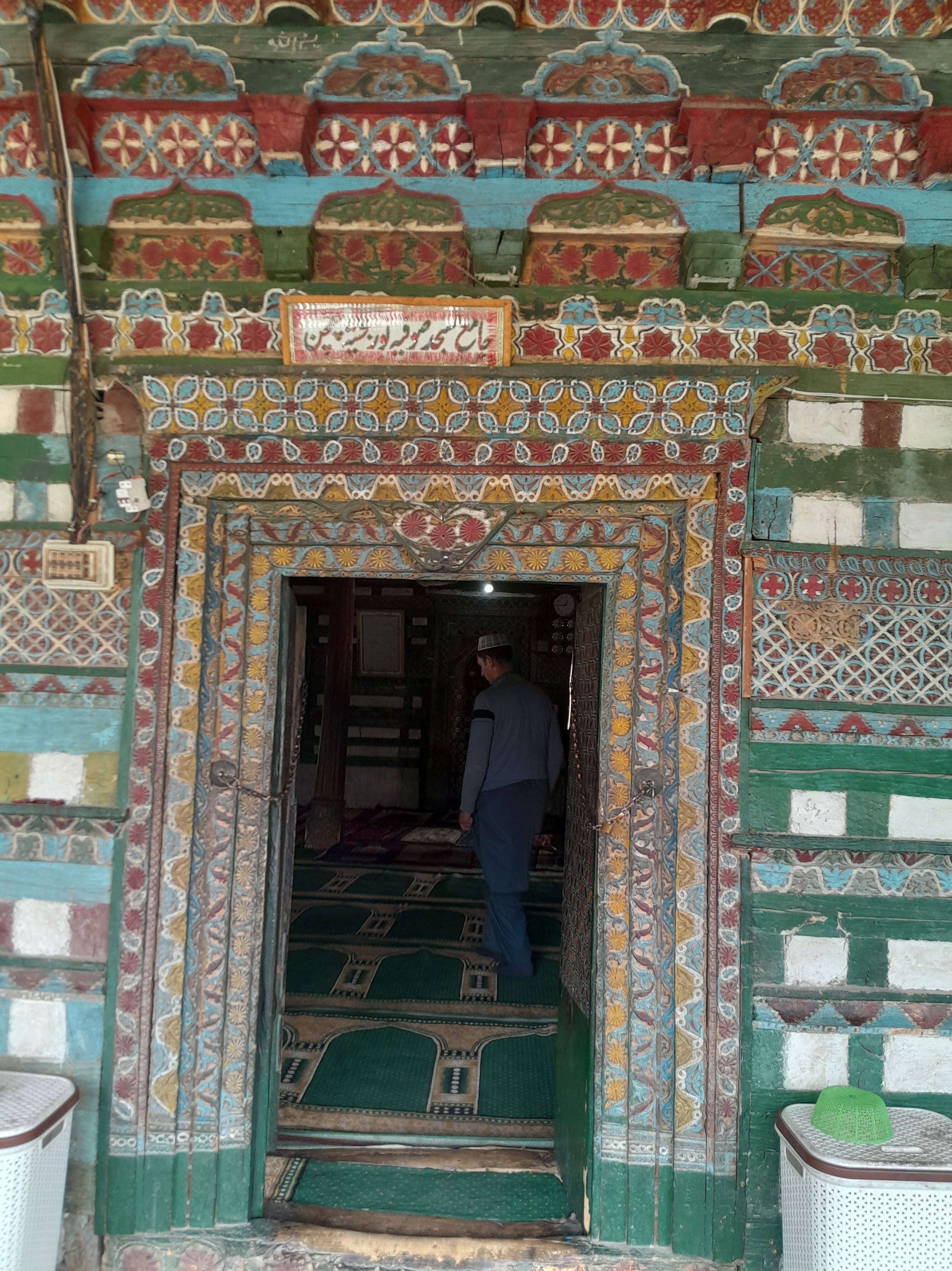
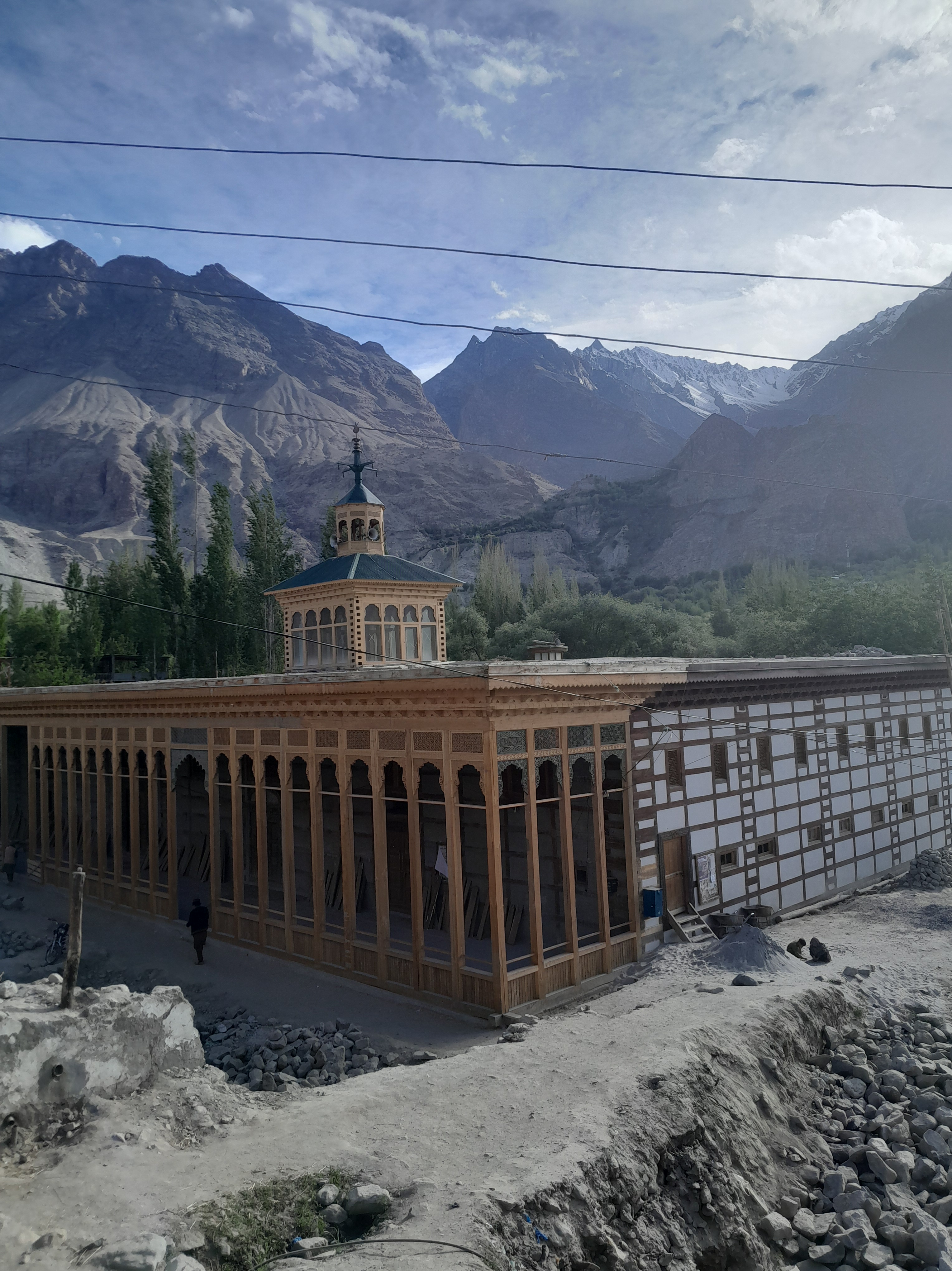
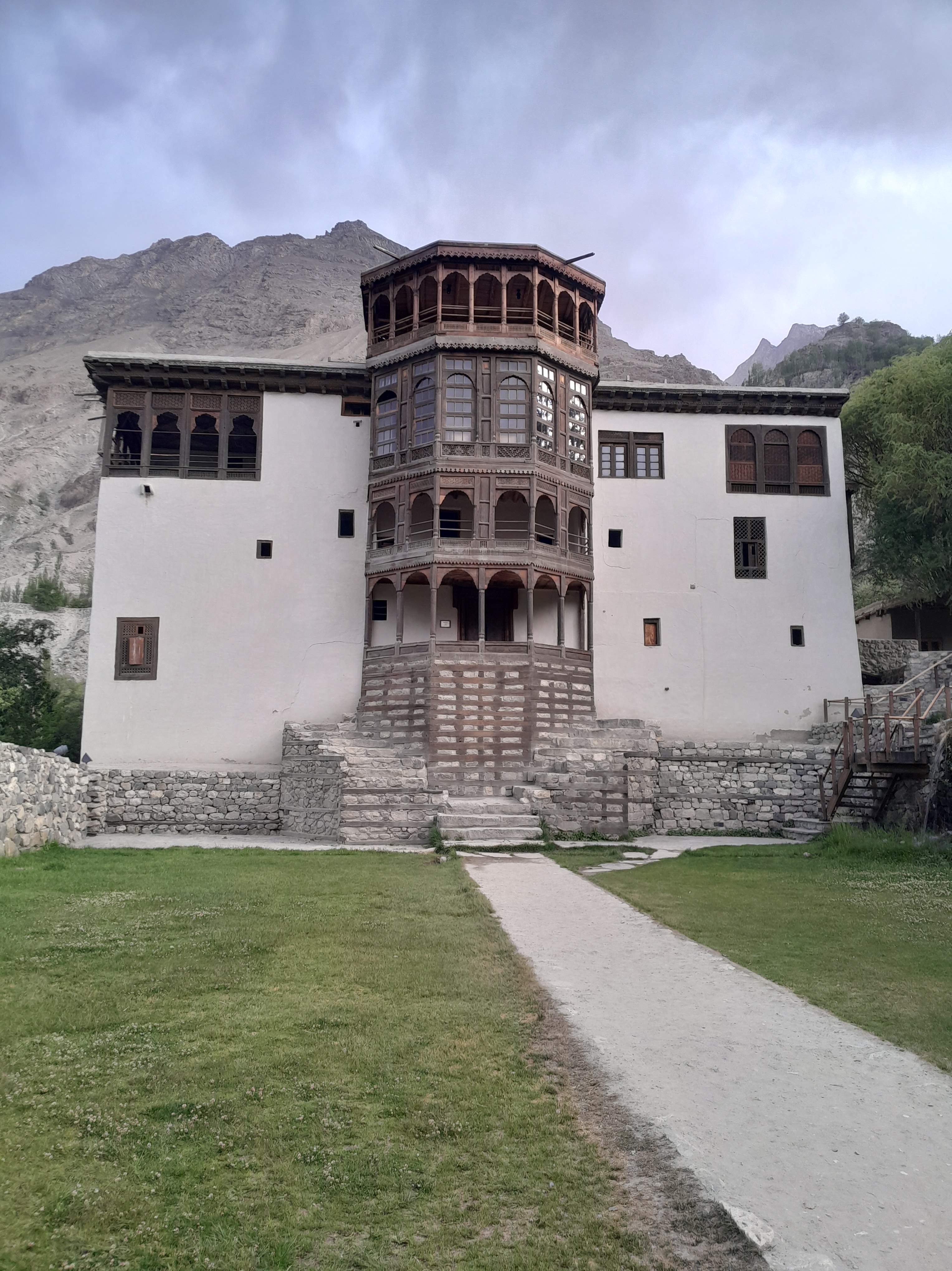
A few hours away from Skardu is the town of Khaplu, this was the stronghold of the second most powerful kingdom of the area ruled by the ‘Amachas’, the old royal residence, has been restored and extended and now houses a hotel and a museum. The area around Khaplu is very scenic and pristine, with high mountain peaks and lakes, there are also many hiking treks at various levels of difficulty, from relatively easy treks of 2 hrs or less to treks lasting several days there is much to do here. Chaqchan and Thoksikhar mosques again offer a unique architecture particular to the area.
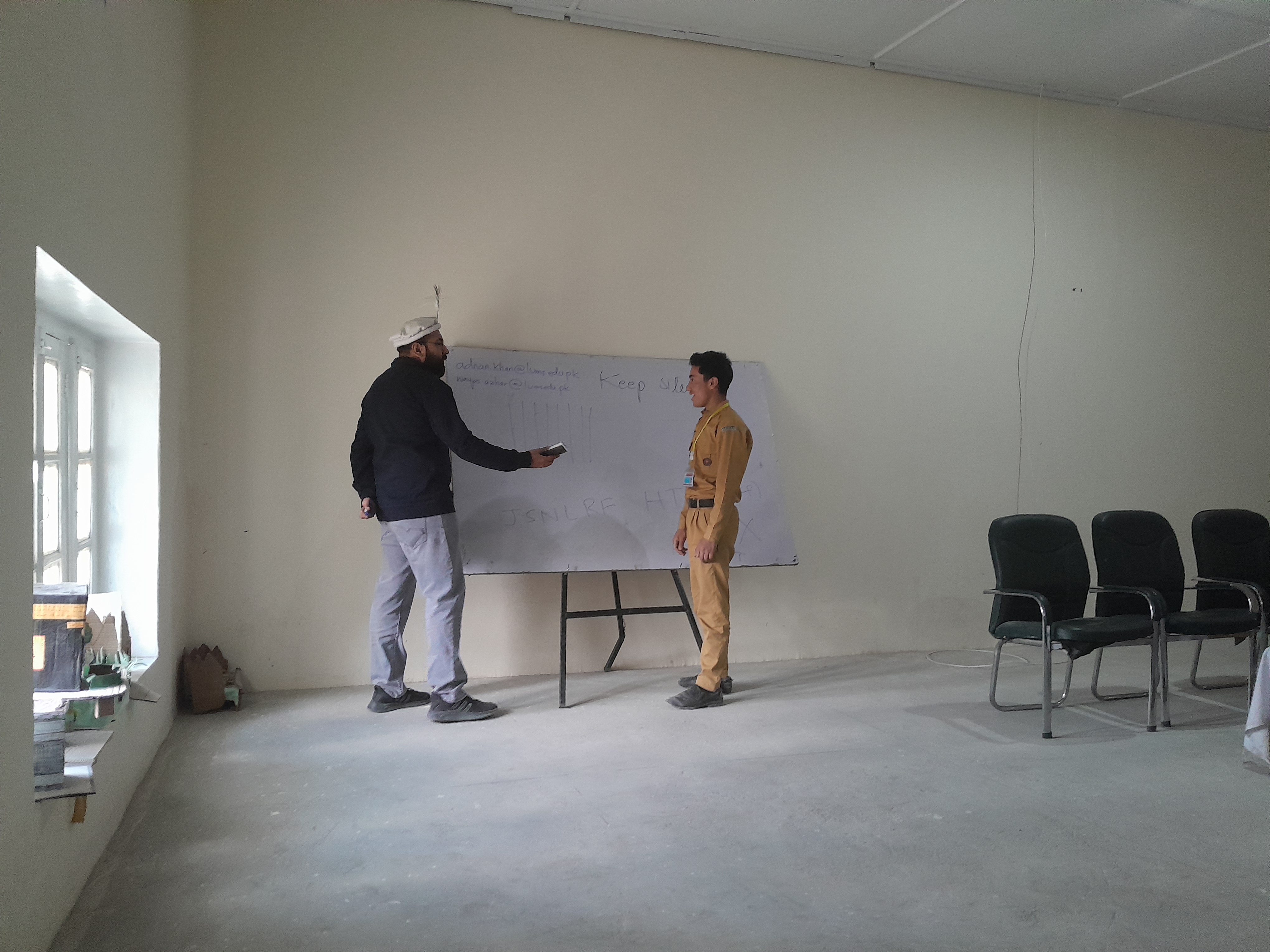

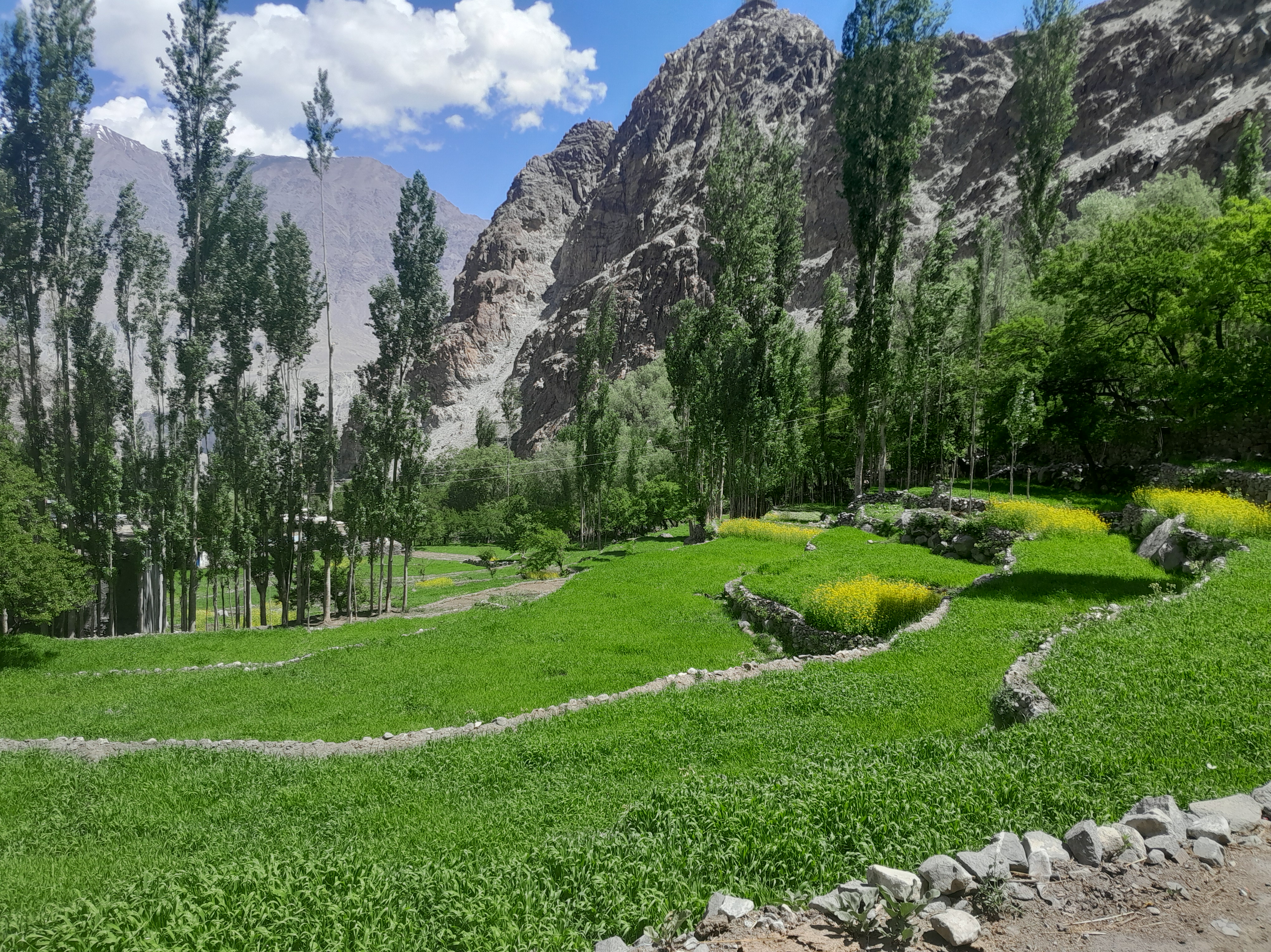
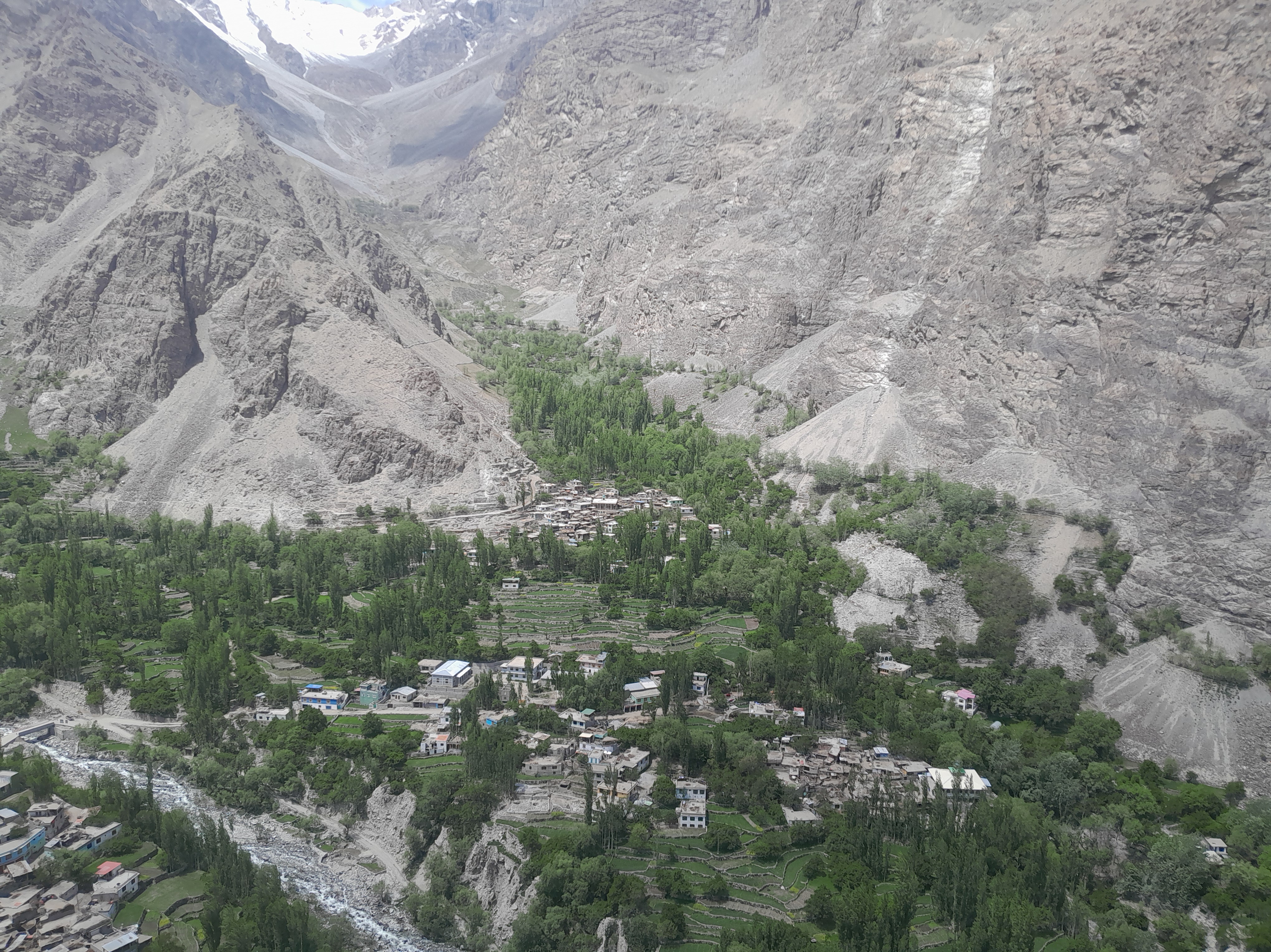


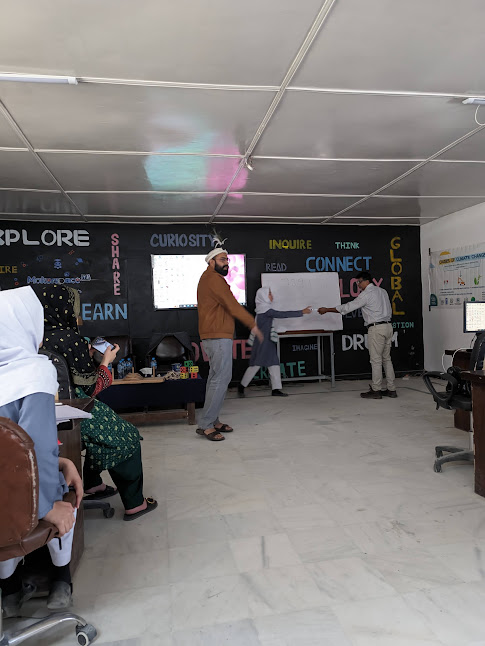
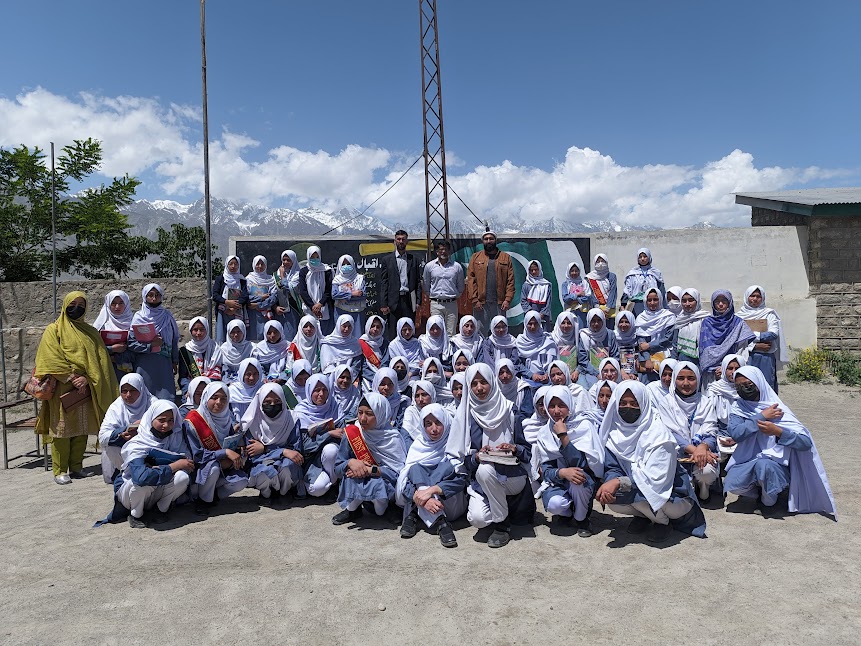
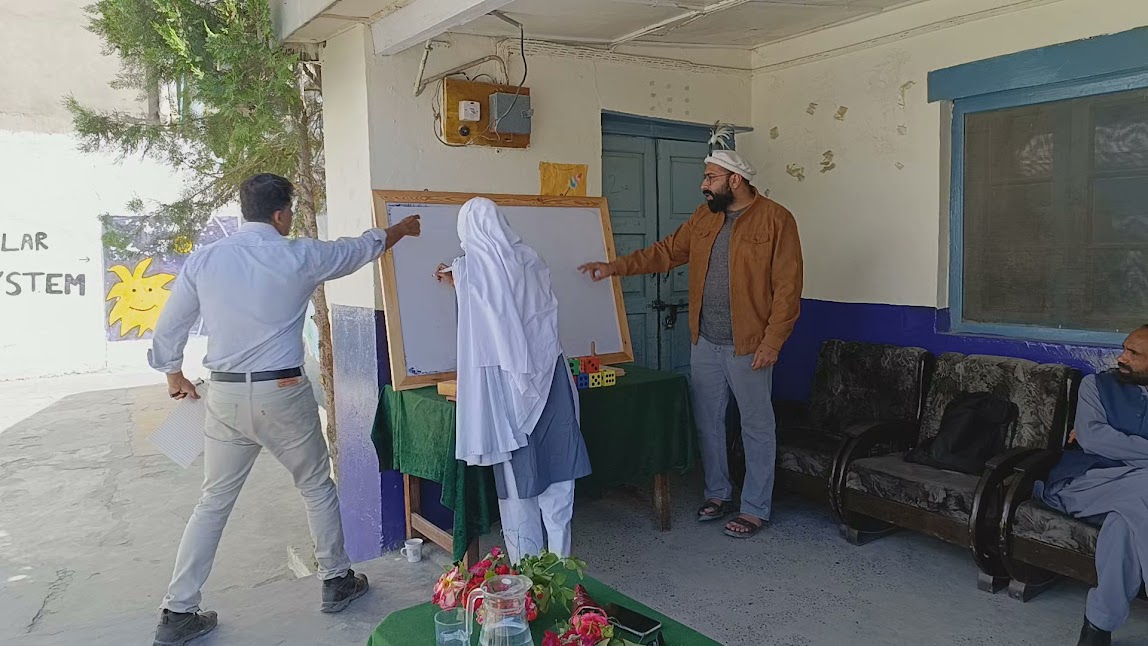
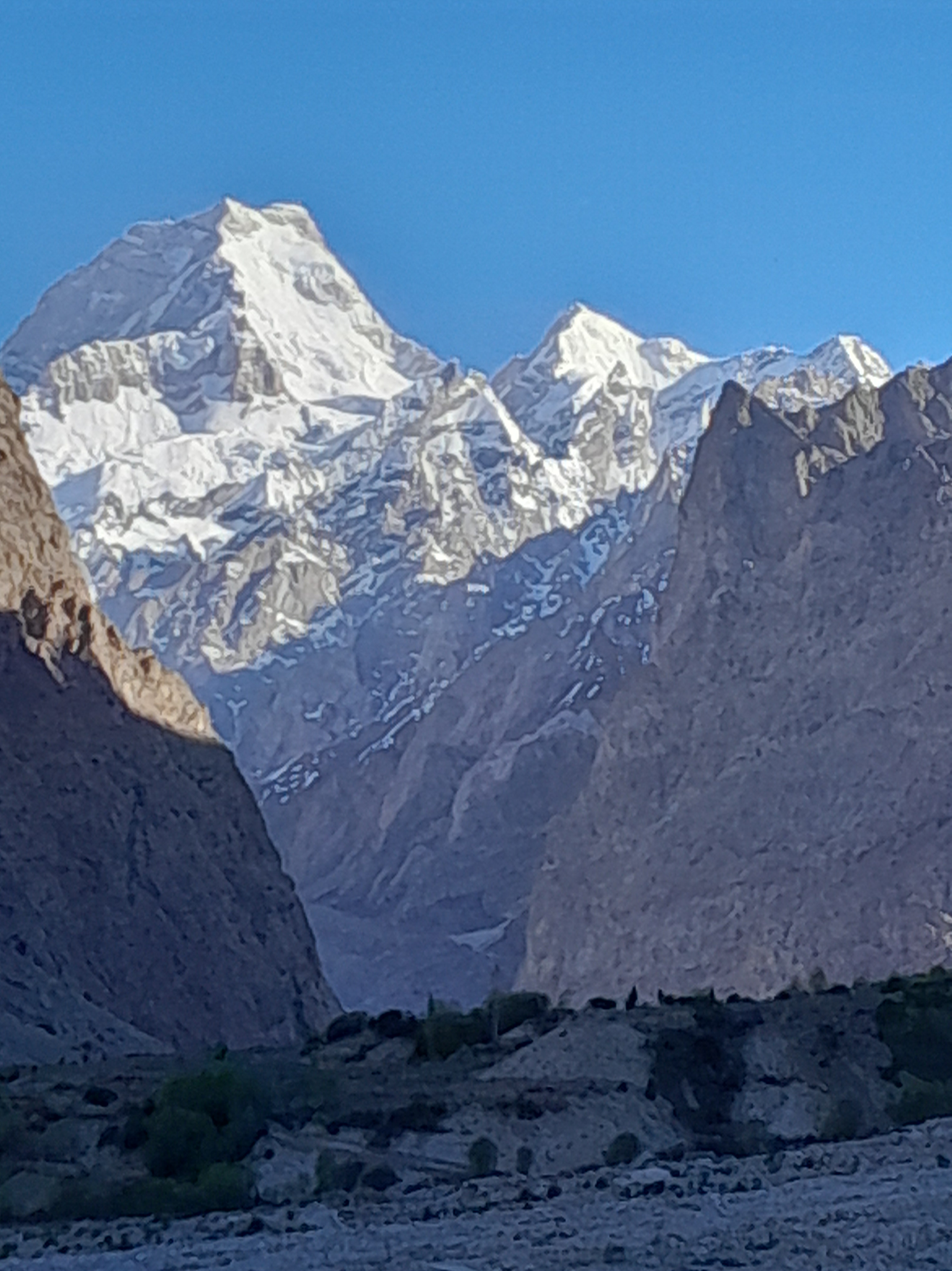
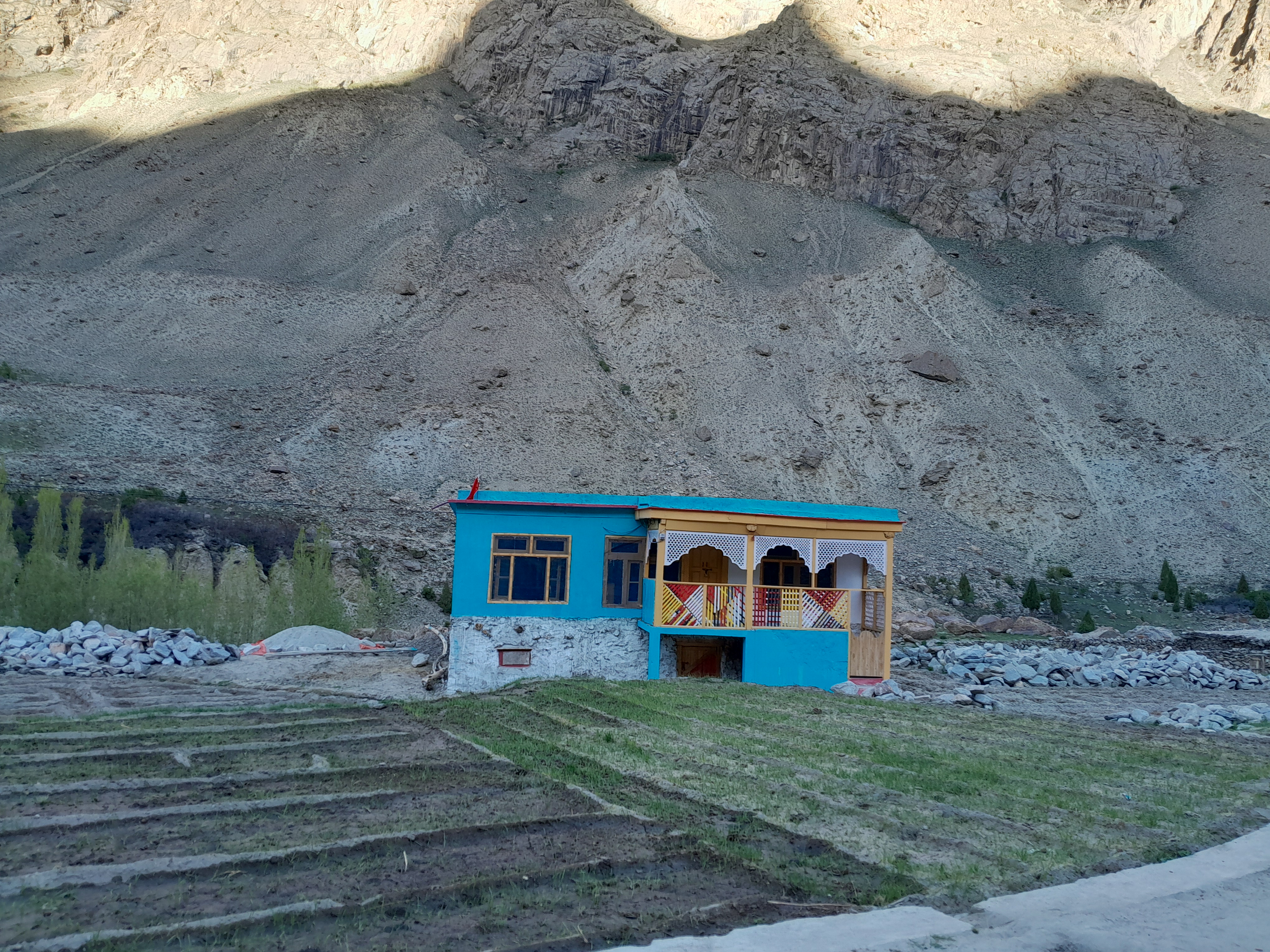
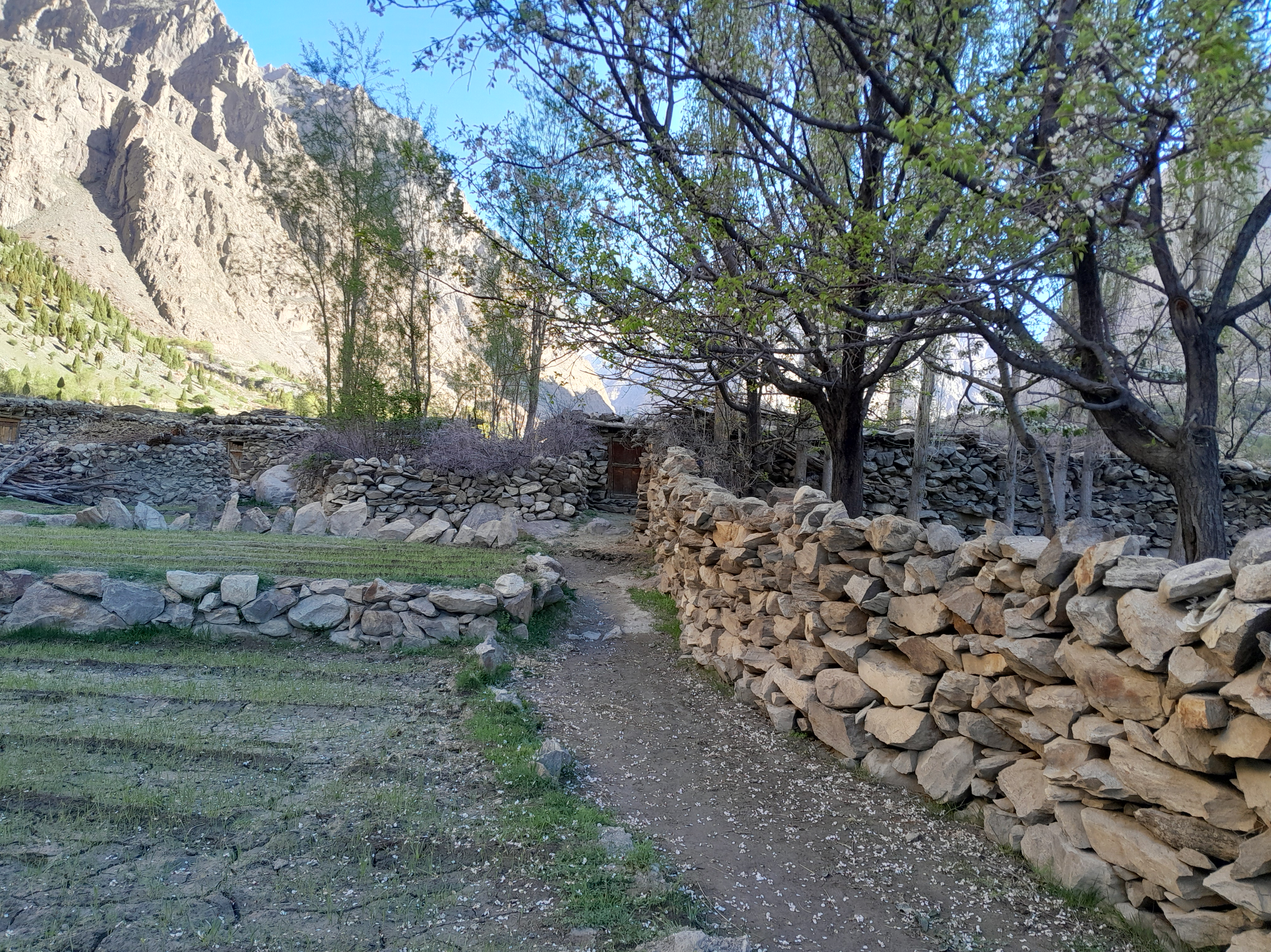
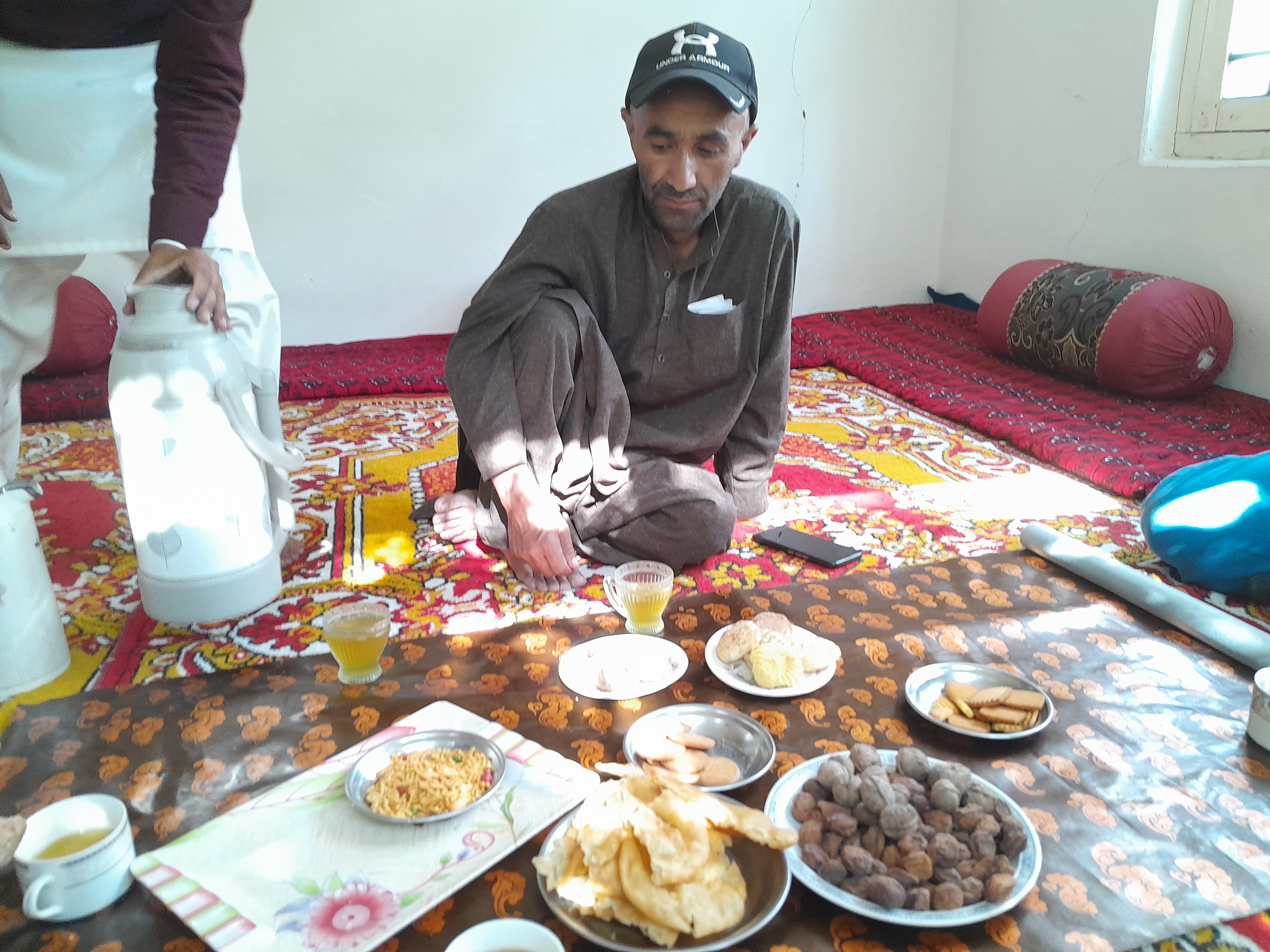
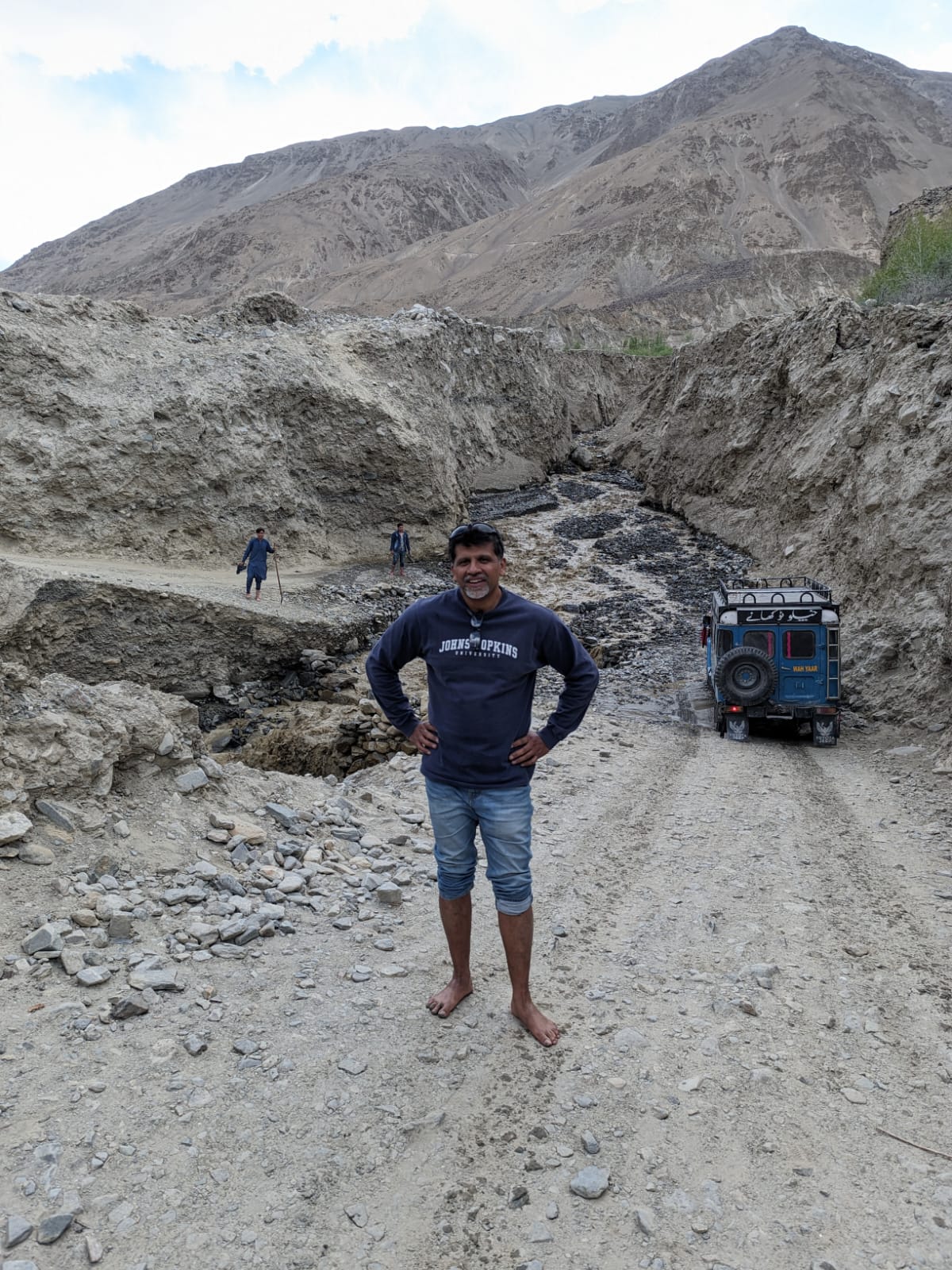
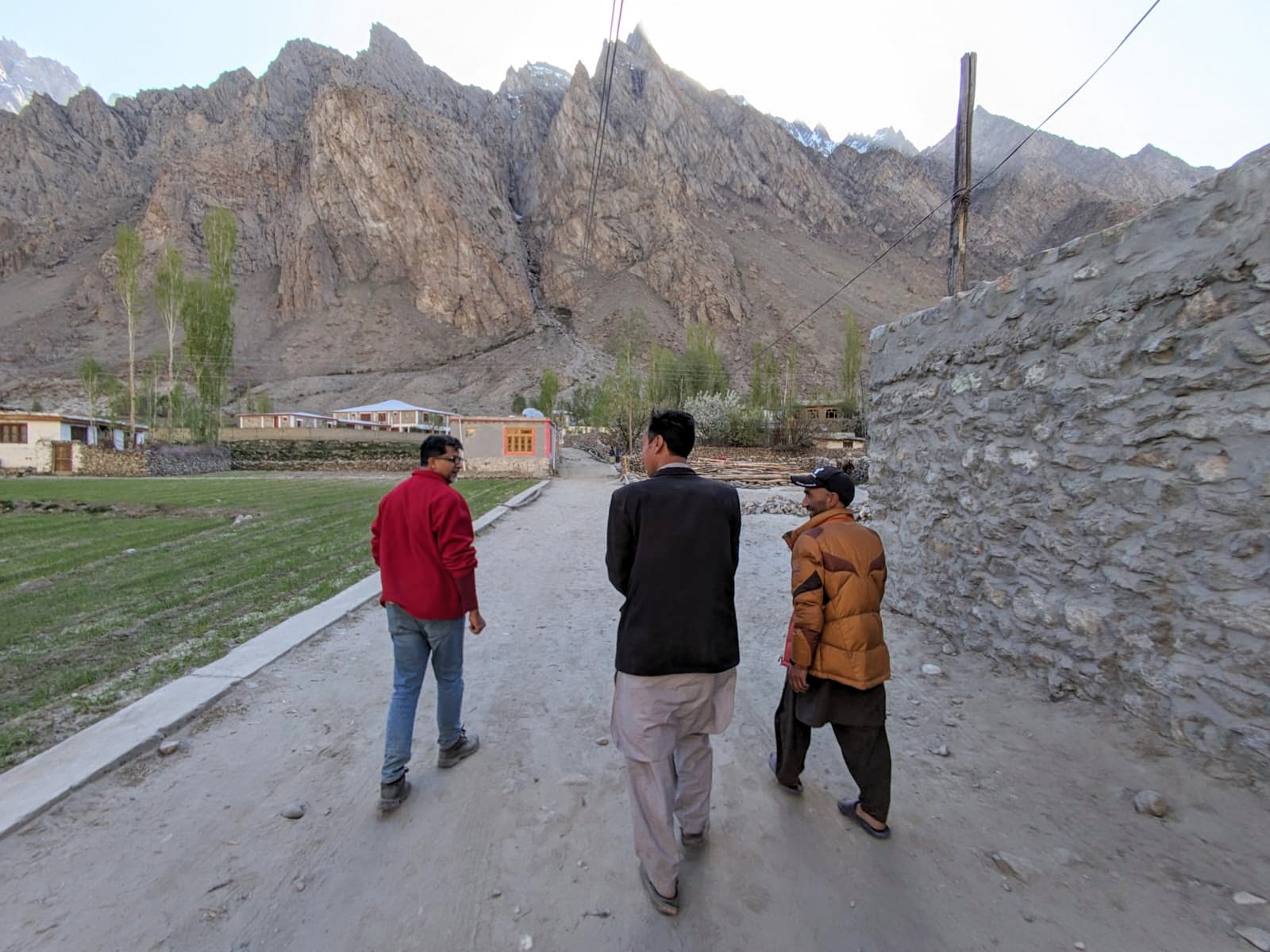
Around 3-4 hrs drive from Khaplu is the village of Hushe, which provides the launching pad to expeditions and treks to Masherbrum mountain (K-1), the drive itself is challenging and usually requires an off road vehicle. Masherbrum is all its majesty is clearly visible from here, this is the last village before the high mountains which are uninhabitable start, and it takes around 2 to 3 days to trek the the base camp, alas we did not have the time to do the trek this time around. We were fortunate enough to be invited over to conduct some teaching sessions in the village, where we met some very motivated teachers and students, and hospitable locals who treated us to many home cooked meals over the two days we stayed there. Yaks and their different variants have been domesticated in the region along with cows, sheep and goats which provide milk, meat, and wool for clothes and rugs. While we saw many herds of sheep and goats and cows in the summer most of the yaks had gone to pasture at high altitudes, accompanied by several local women (who spend a couple of months in the high mountains with their herds) as has been the norm throughout the area. On my fall visit I did see yaks (yak-mo, female yak) and their variants zho (and zho-mo) aplenty.

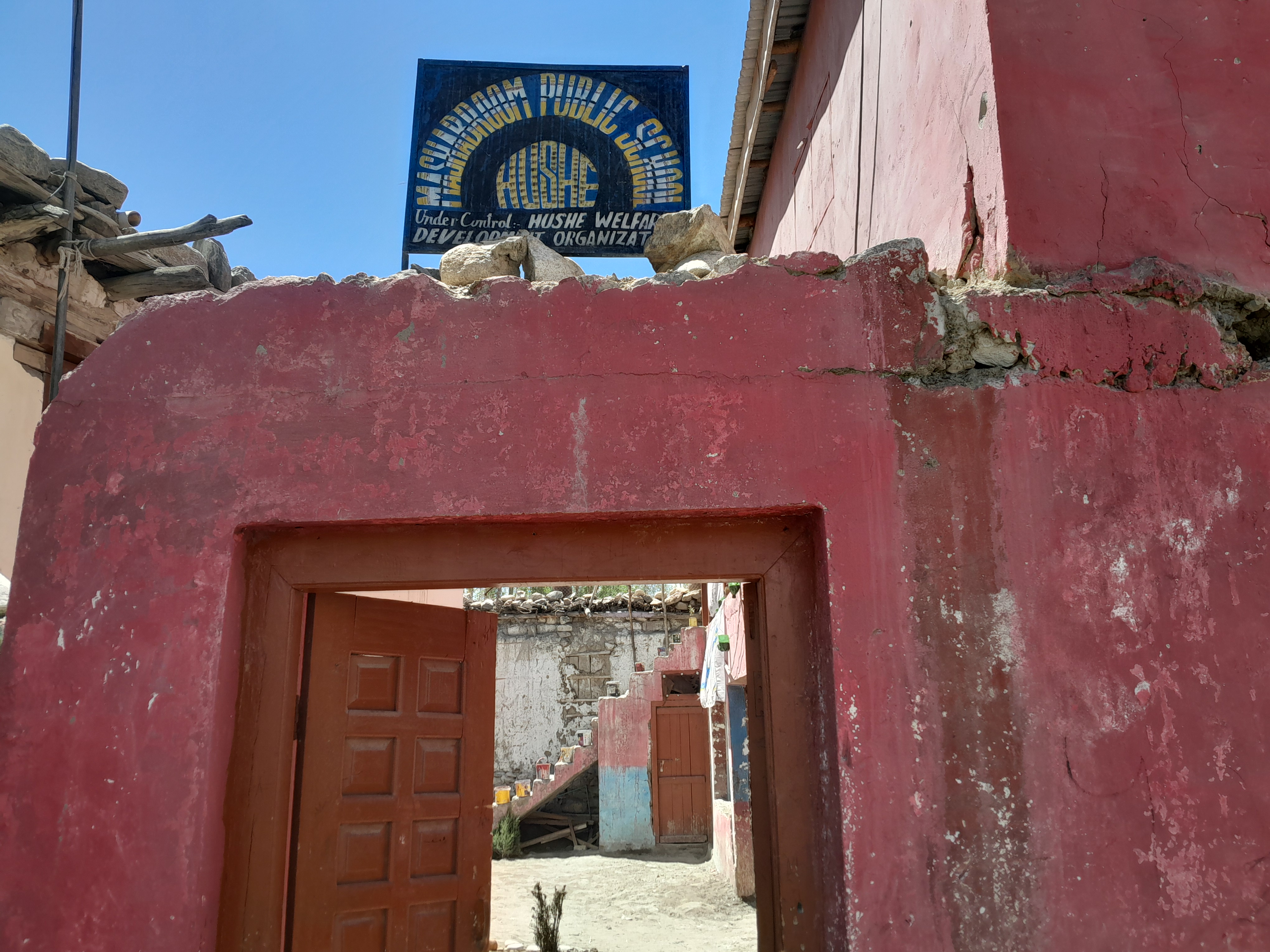
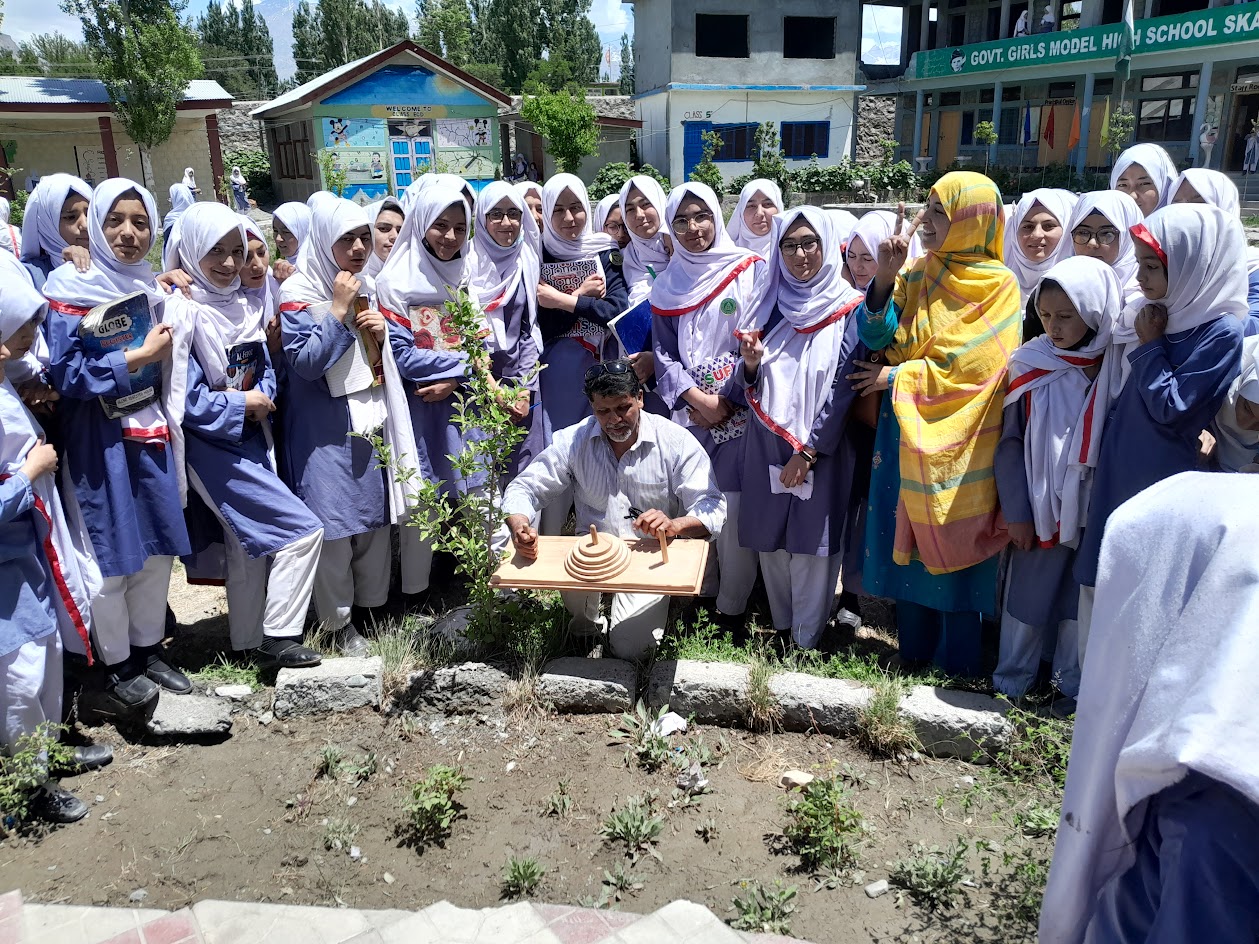
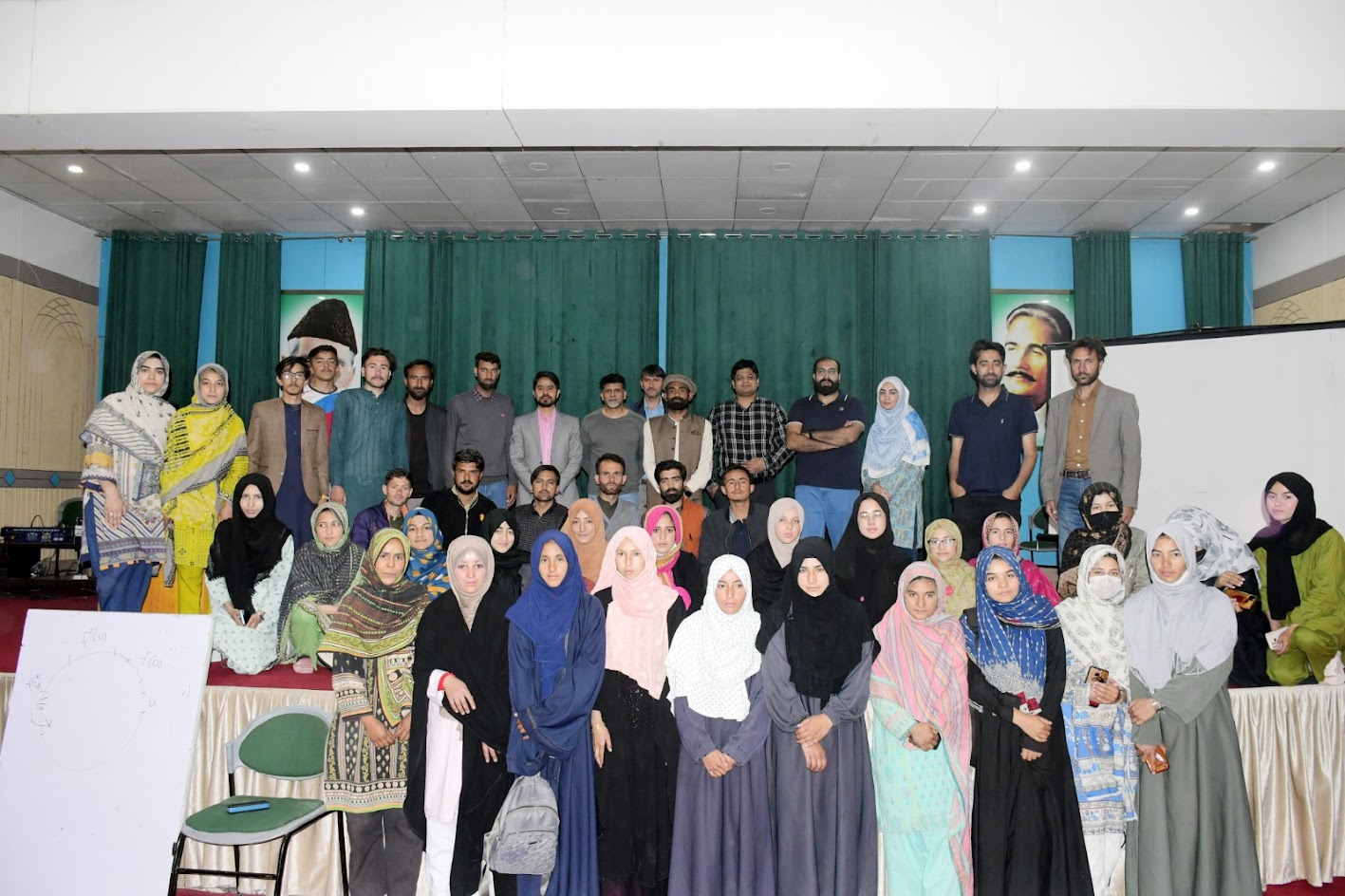
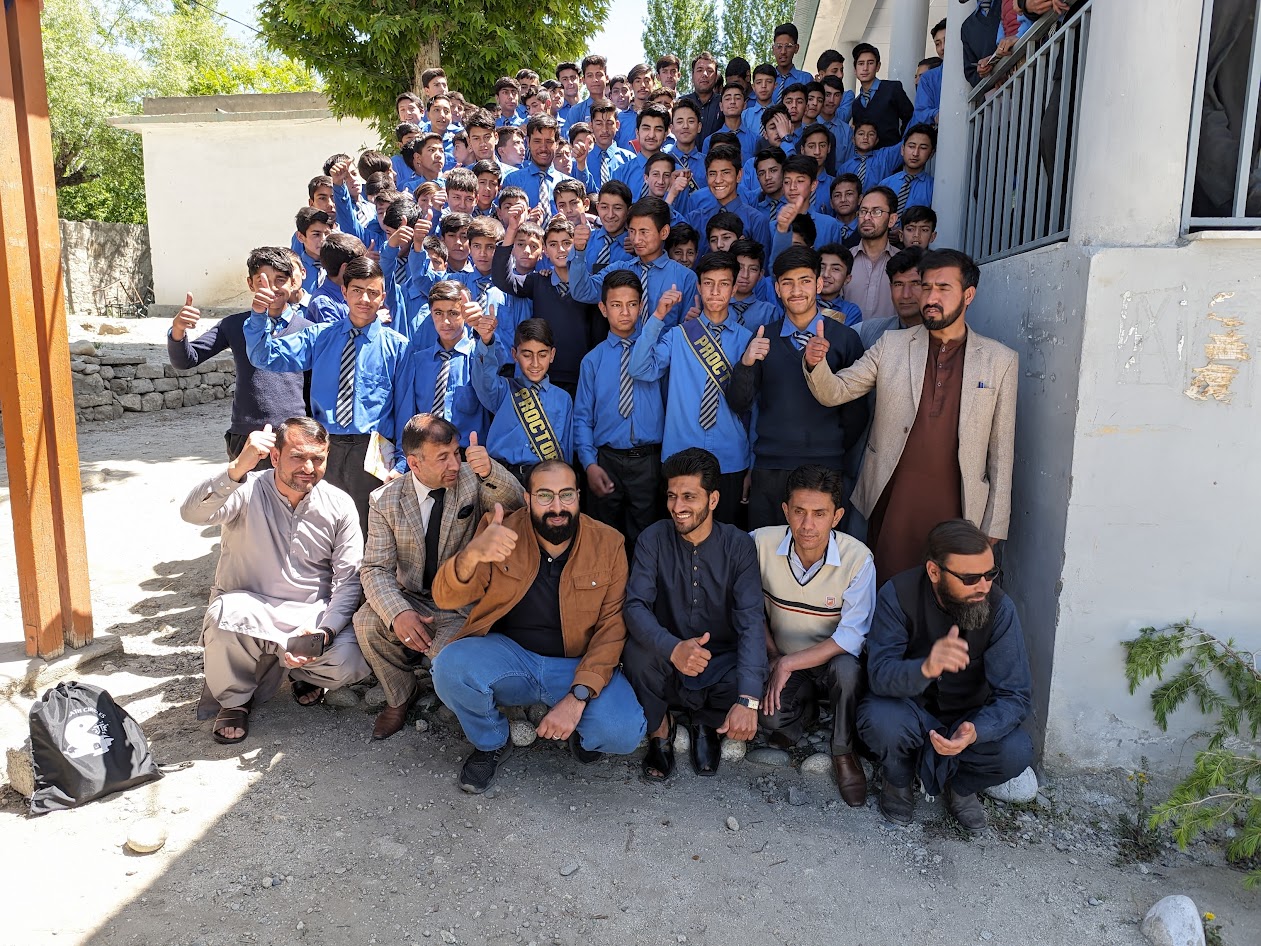
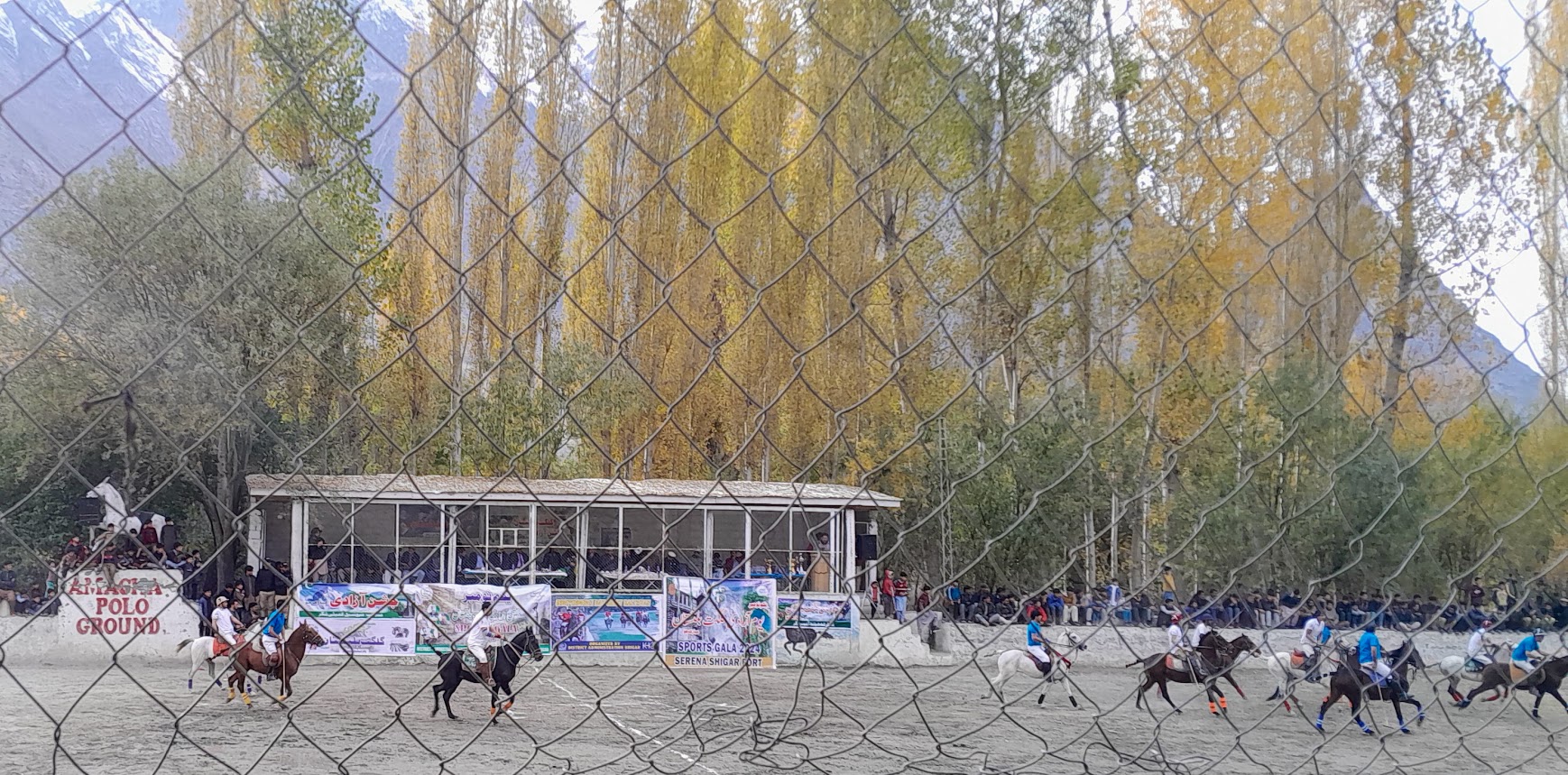
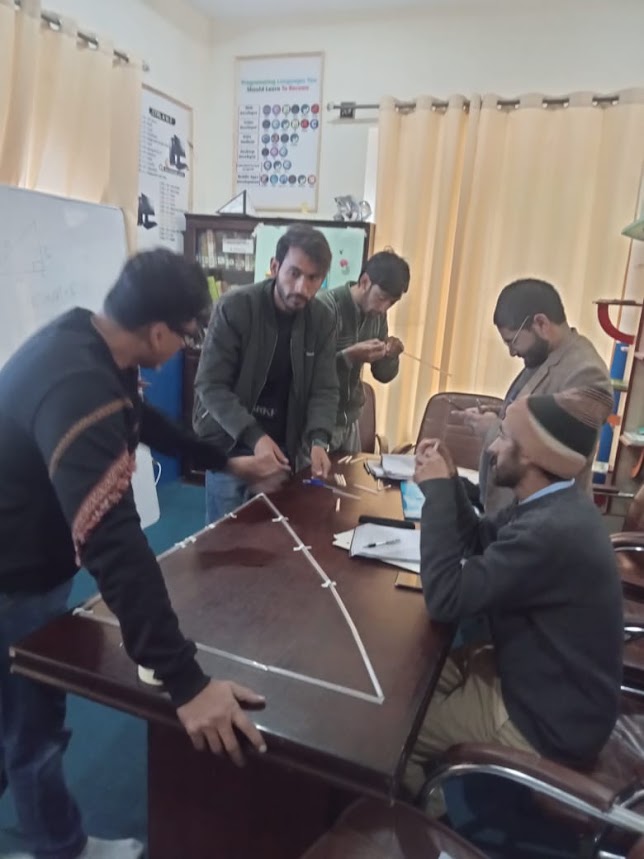
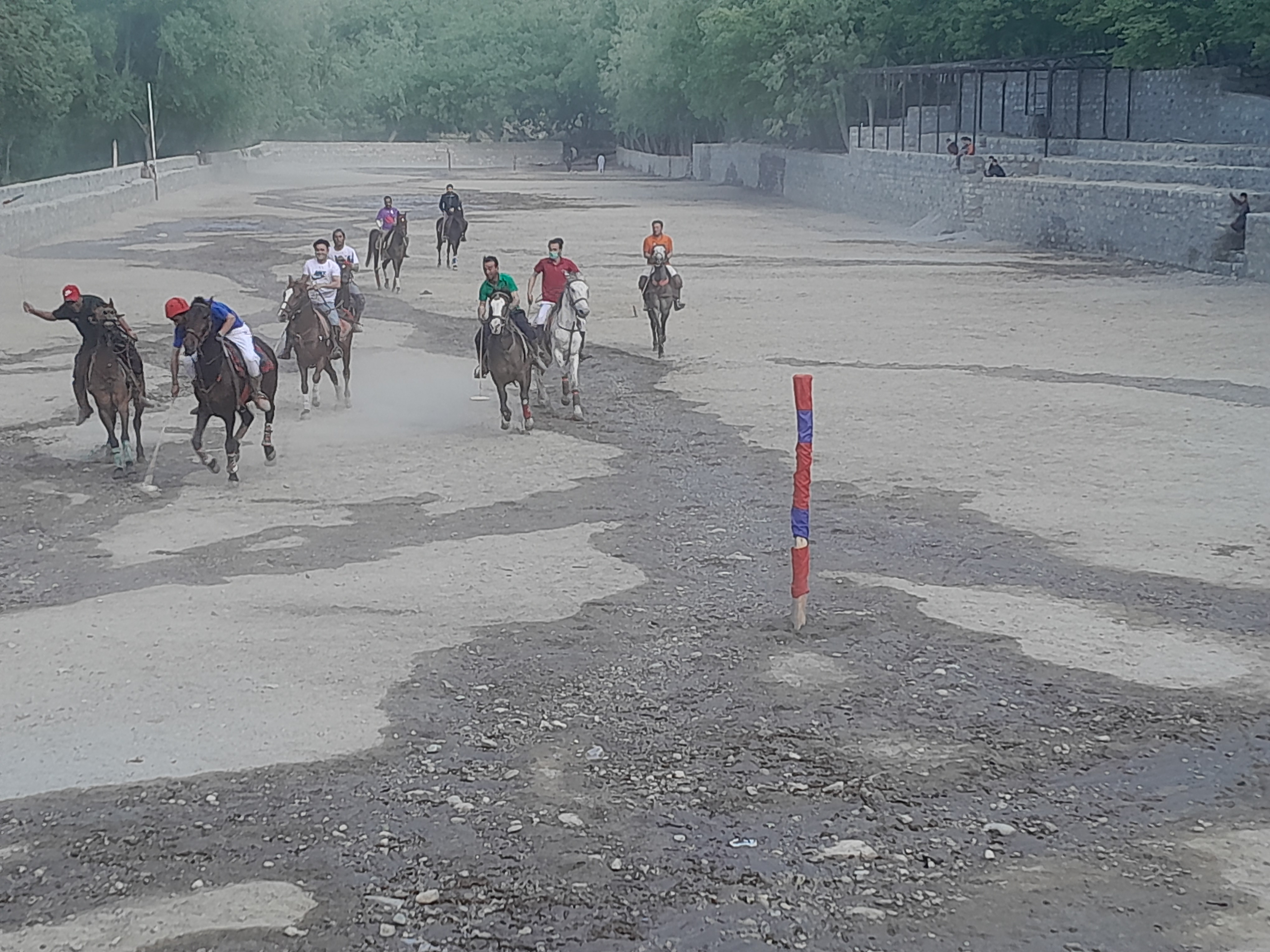
We did several math workshops for middle and high school students throughout Baltistan, and found them to be a very talented and enthusiastic group. Surprisingly the facilities at the schools were not too bad, the major problem right now being connectivity. But given the spirit we saw, we hope to see many budding scientists from the area in years to come. We also got to see quite a few polo matches while in the region. Polo has been the most popular sport in the area for centuries, requiring mastery from both man and horse, it is amazing to watch the game.
Although we were able to travel quite a bit and explore several parts of Baltistan, there was much that we did not have time to see, including the 13 day trek to Concordia base camp of K2 and Siachen glacier. I hope to be back soon and explore much more of the region and enjoy the warm hospitality which I received here.

 The Open Roads