
Situated along the ancient silk route (and along the modern Karakoram Highway-KKH), nestled in the majestic Karakoram mountains lie the Gilgit and Hunza valleys. Home to some of the highest mountain peaks, spectacular valleys, glaciers and rivers, and an ancient culture, the area must be on every adventurers bucket list. I have had the good fortune to visit Gilgit and Hunza valleys a few times over the years.
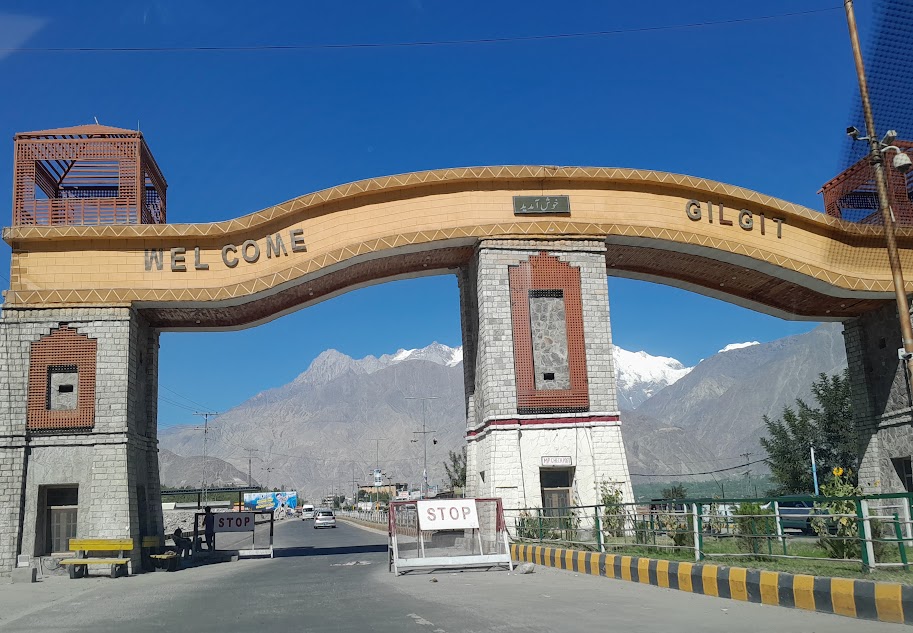


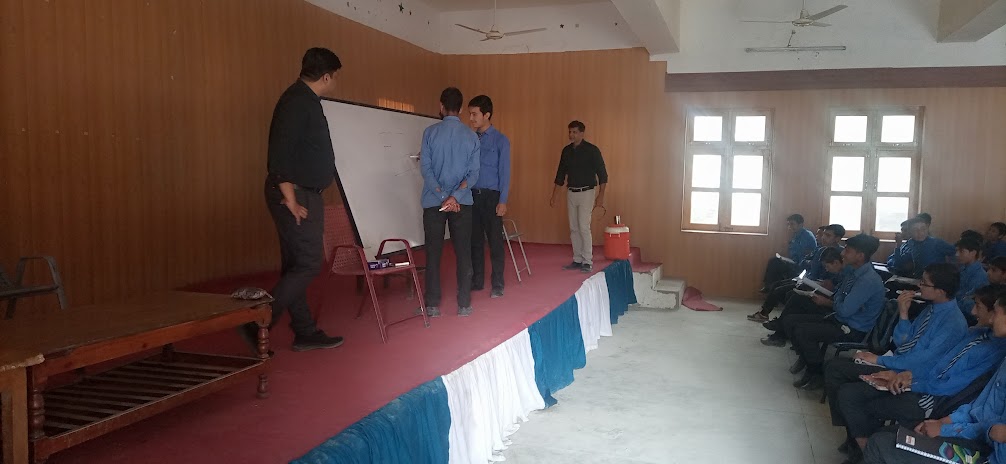
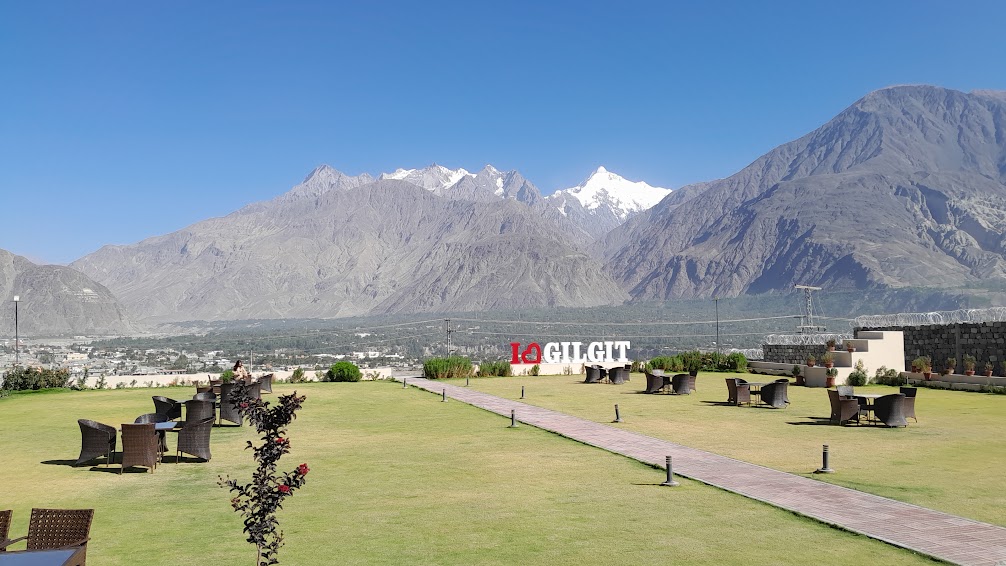
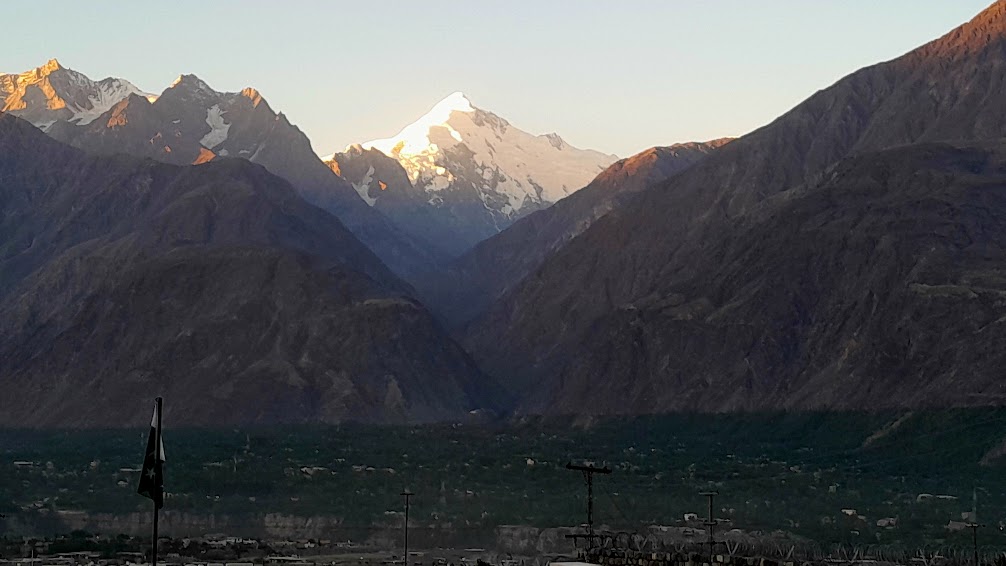
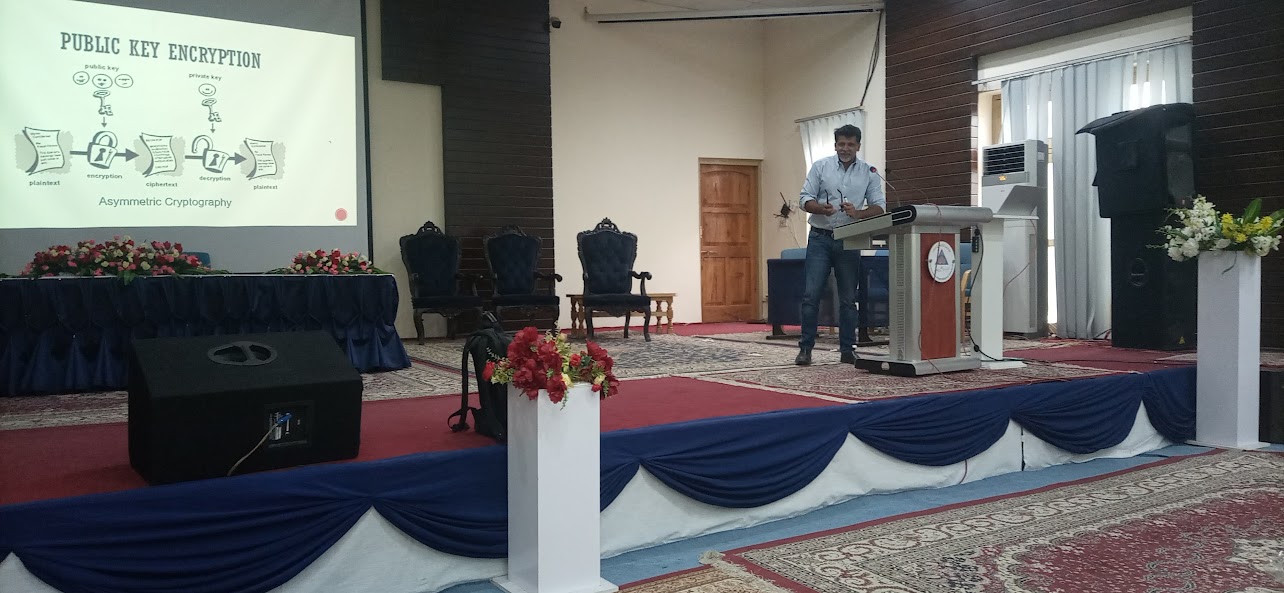
Gilgit is the main city in Gilgit valley and has grown over the past two decades from a small mountain town to a city proper, bringing with it all the benefits and problems associated with urbanization. I have visited the area as a tourist and also for work doing some math related workshops, which gave me a chance to interact with local colleagues and students, which always gives once a unique perspective about an area. Gilgit and Hunza have very high literacy rates, far exceeding that of the rest of the country, a lot of which is due to the work of the Aga Khan Foundation which is very active there. I also got the chance to give a couple of talks and interact with students at Karakorum International University and Aga Khan Development Center.
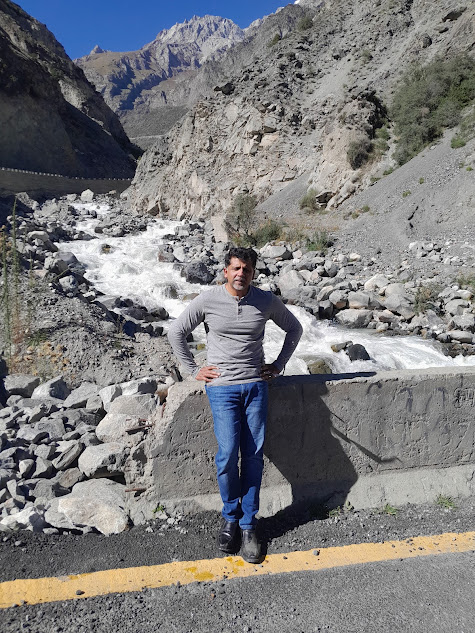
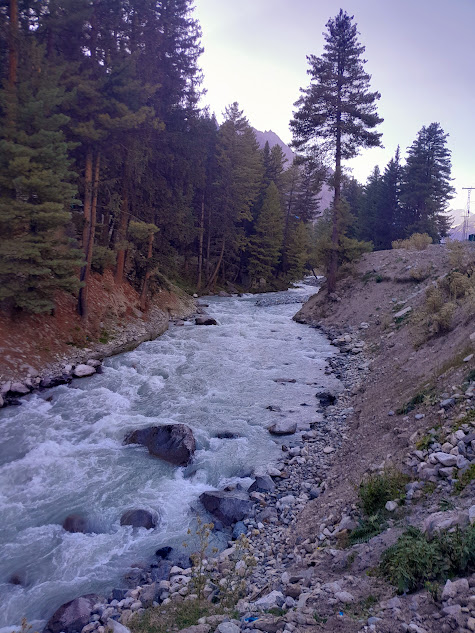
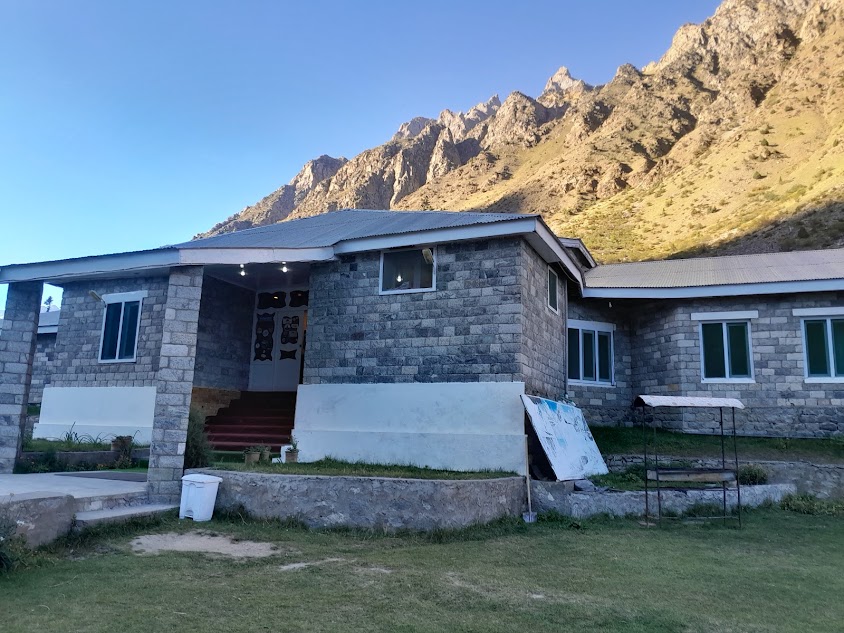
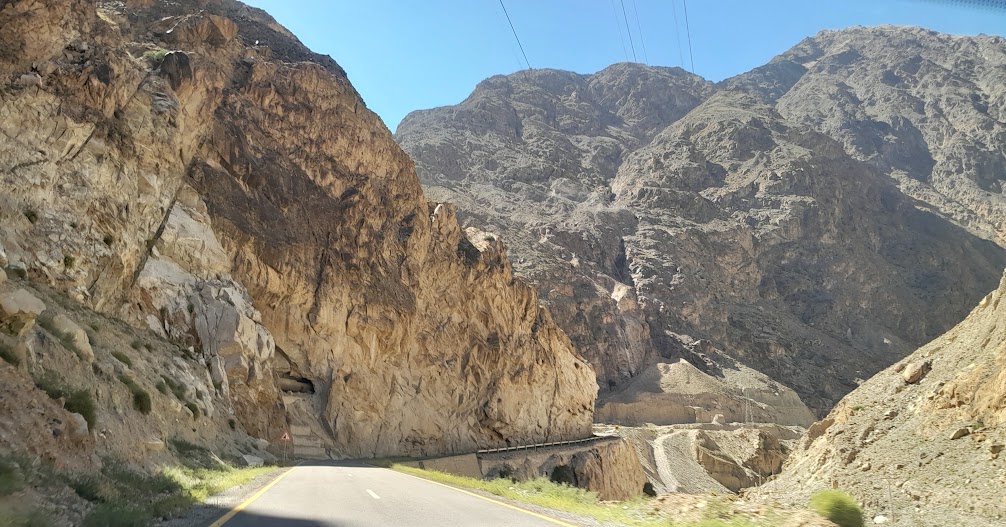
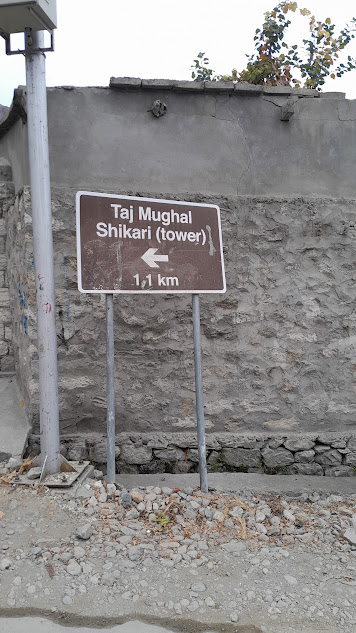
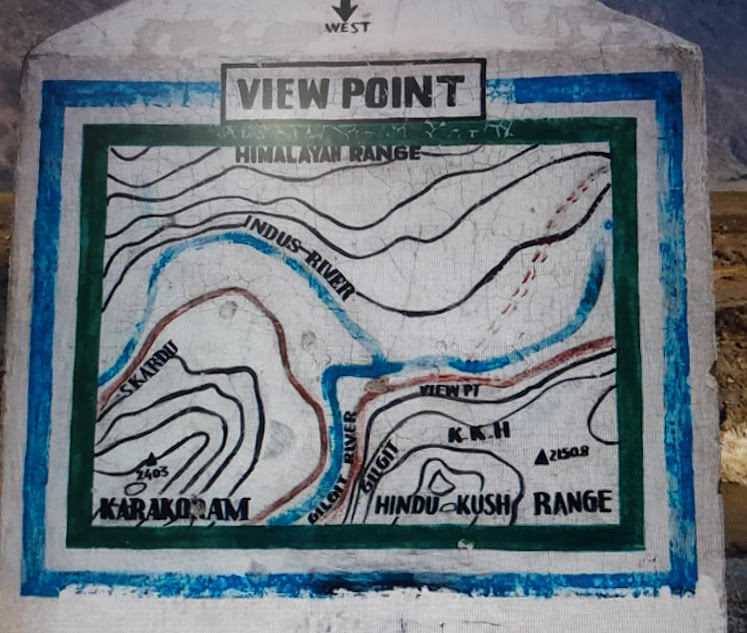

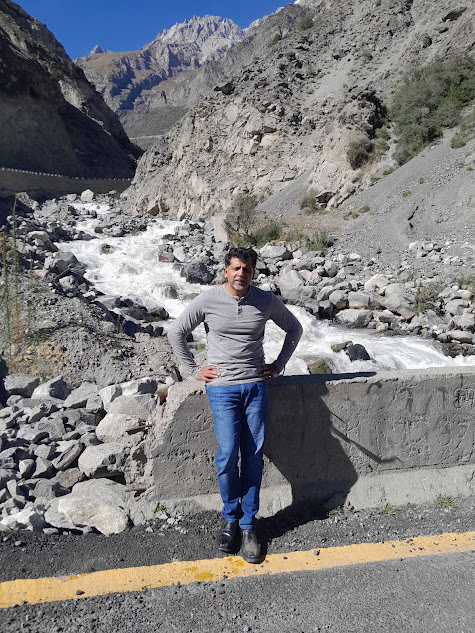
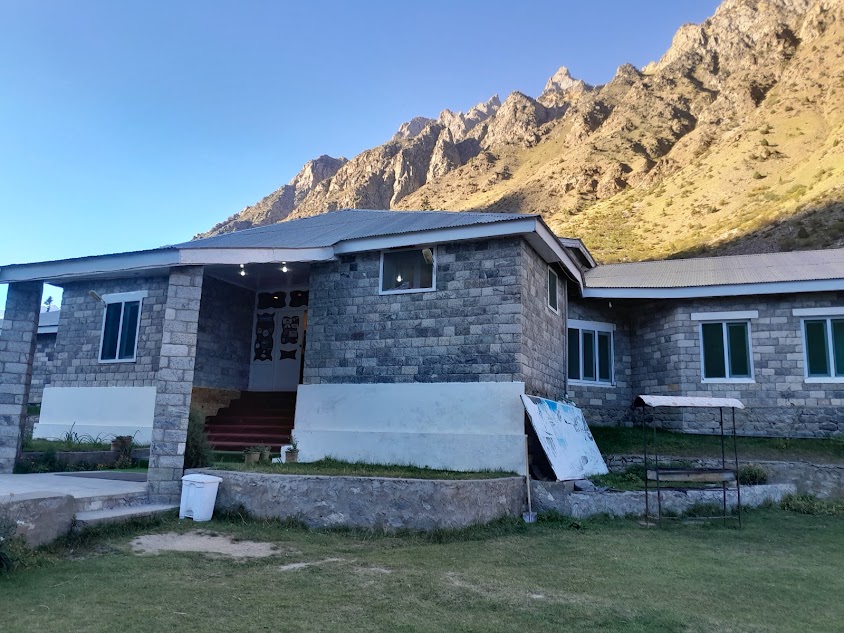
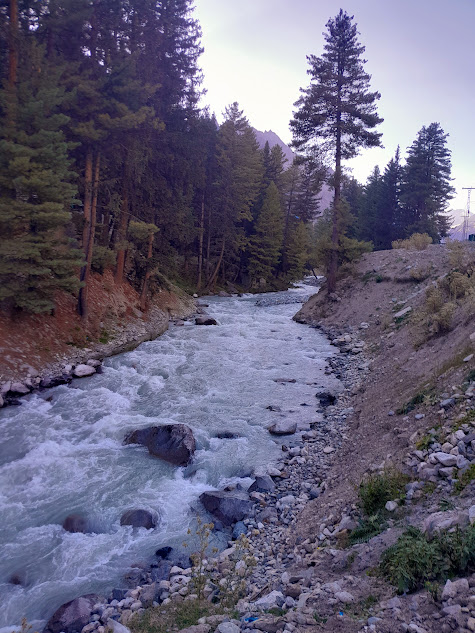
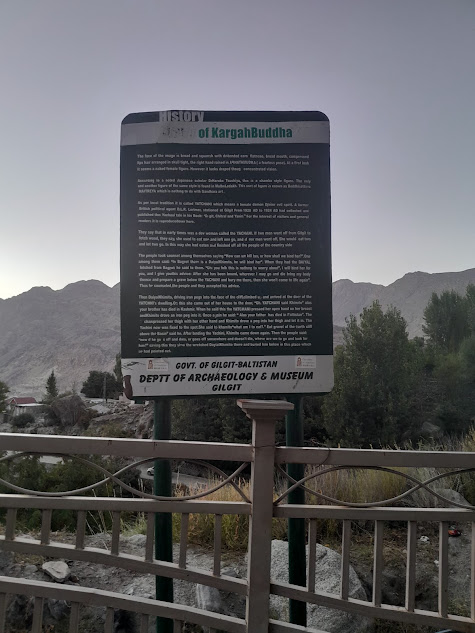

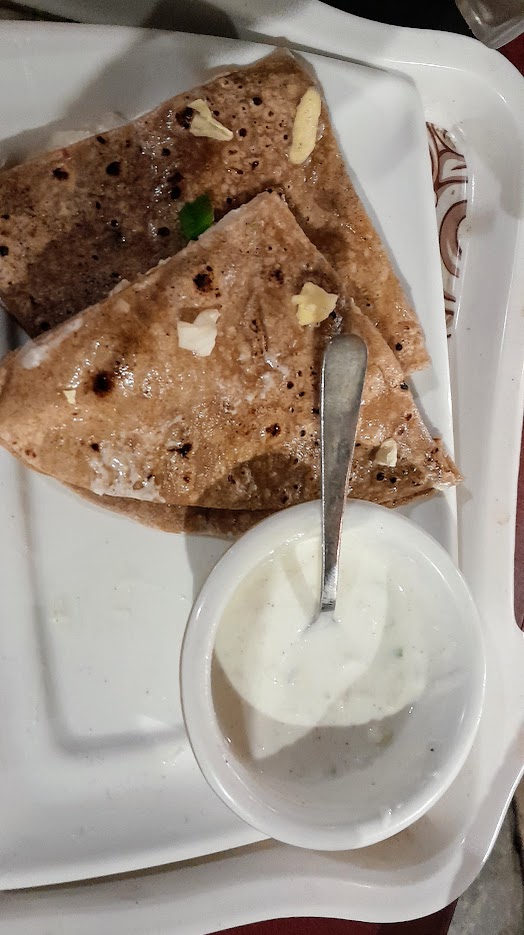
The area was the center of Buddhism until the arrival of Islam in the 12th century AD, this can be seen in the many monuments from that era, I visited a few of these including the Kargah Buddha near Gilgit city. The tower of Taj Mughal is another monument nearby, which was built around 800 years back to celebrate the victory of Tajuddin Mughal a Central Asian ruler who conquered the area. A couple of hours away from the city is the Naltar Valley, known for its beautiful lakes (including the seven color lake), the drive is a bit taxing but quite worth the hassle. South of Gilgit is the junction of three major mountain ranges, the Karakorum, Himalayas and the Hindukush. Gilgit city has many good restaurants, with a lot of the dishes inspired by cuisine from neighboring Xinjiang in China along with Pakistani cuisine from the South. A sample of the local/traditional food can be found here.
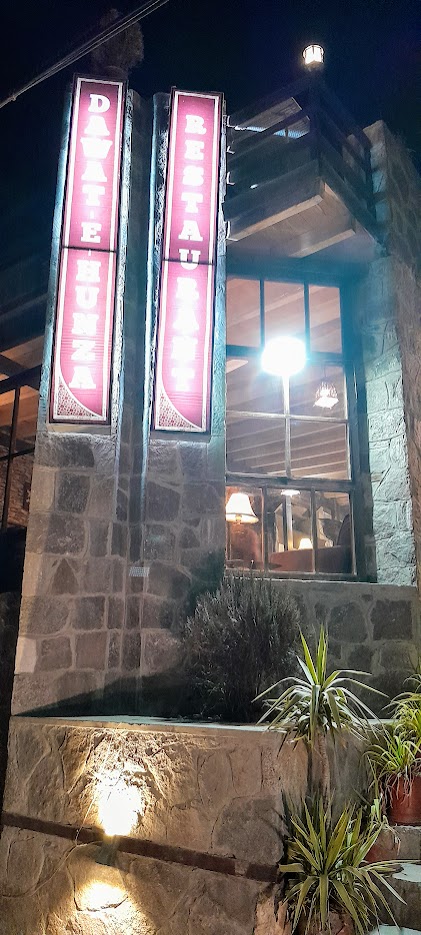
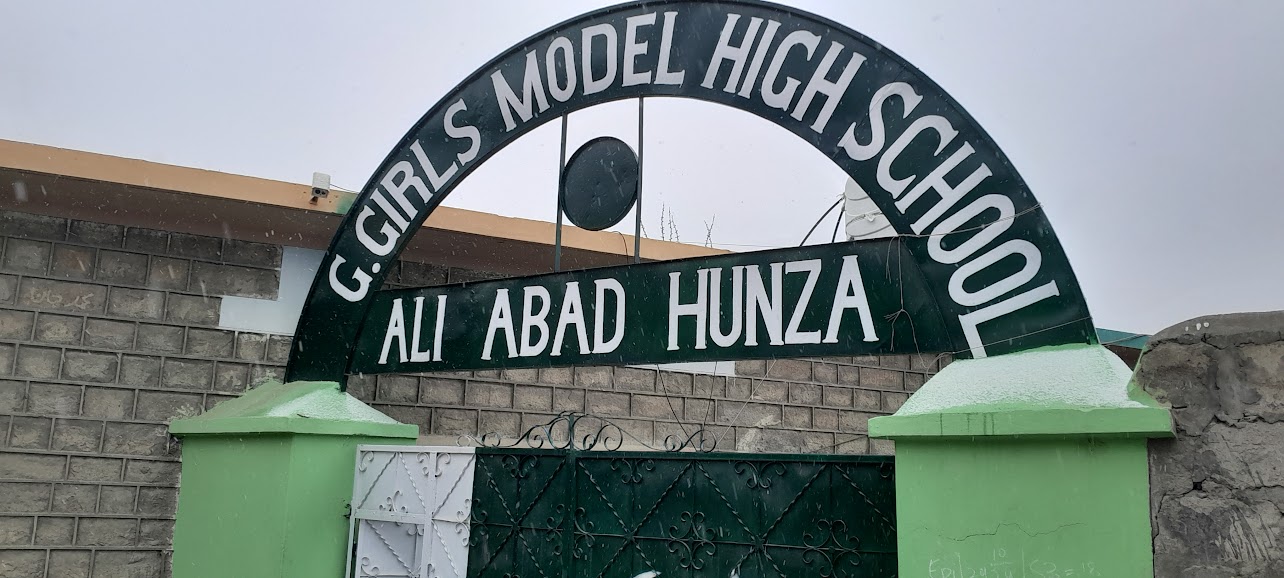
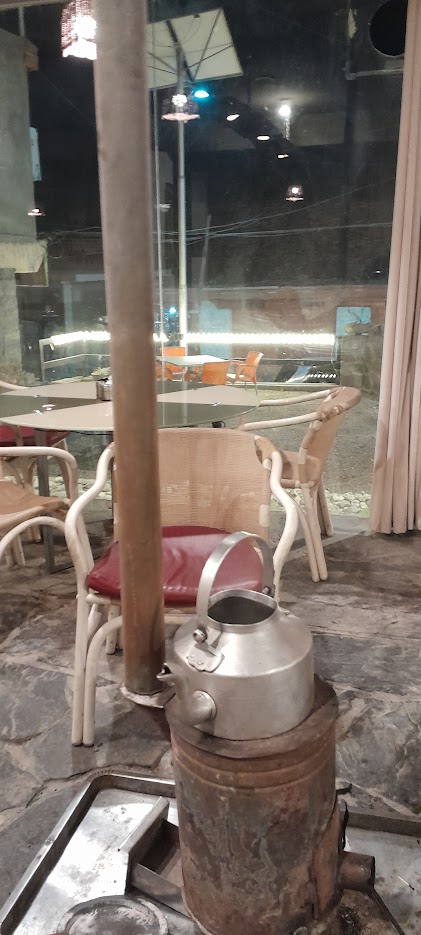

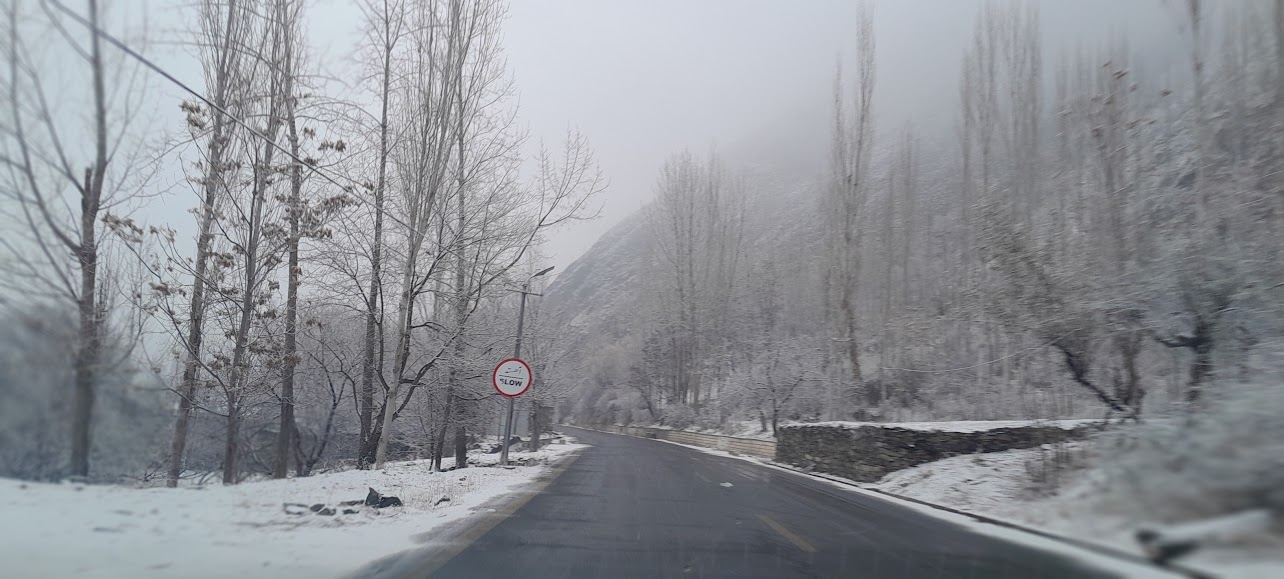
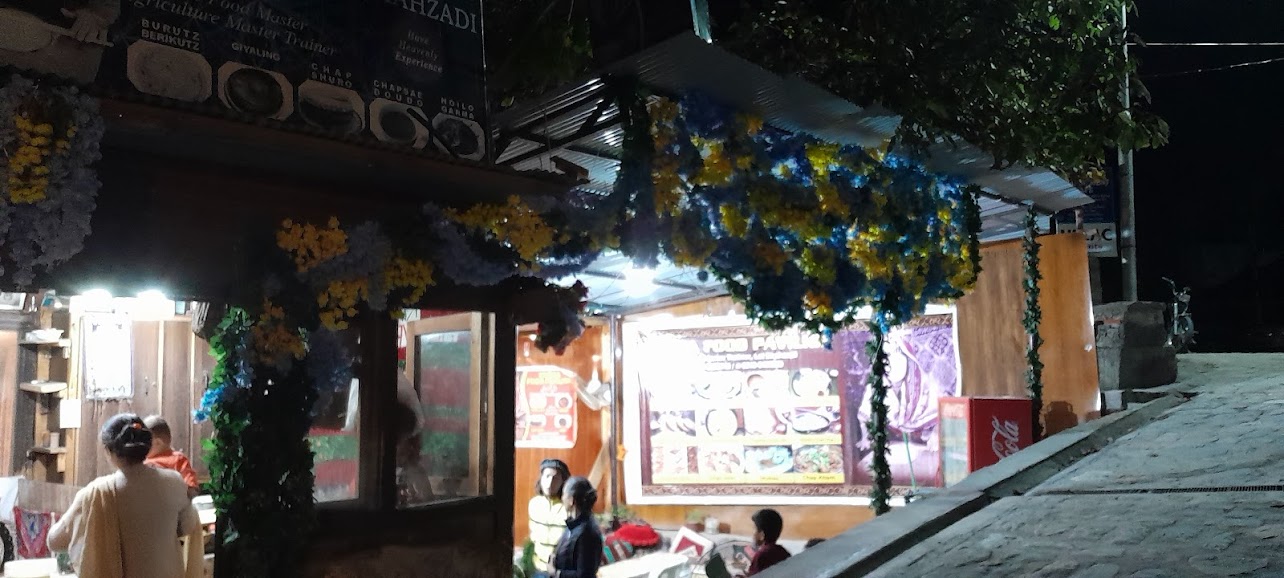

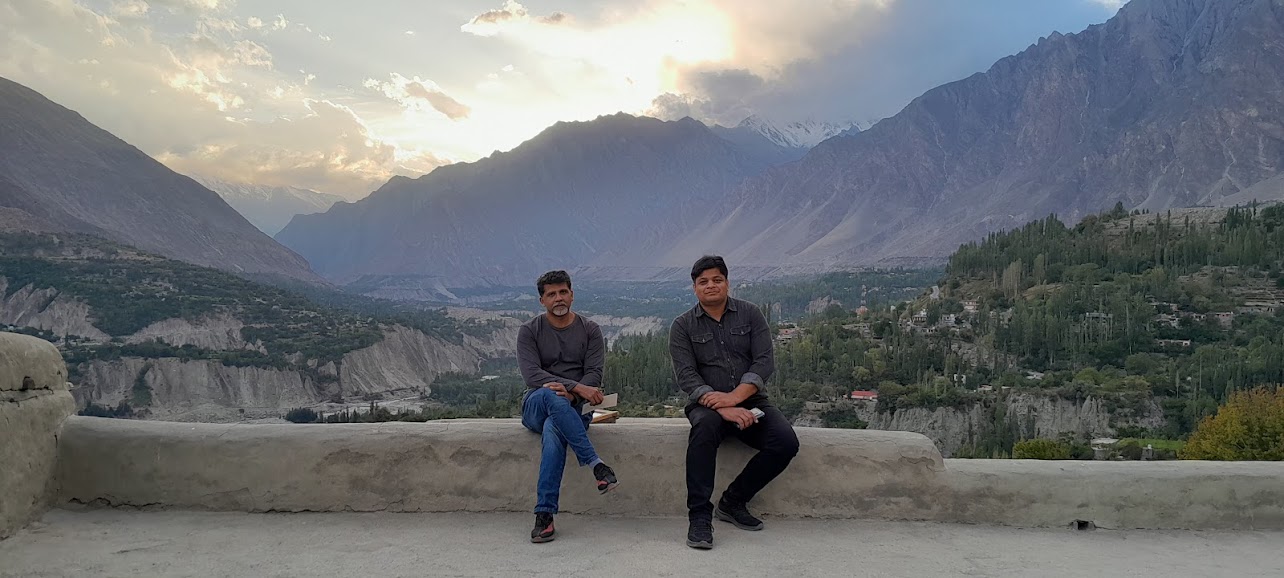
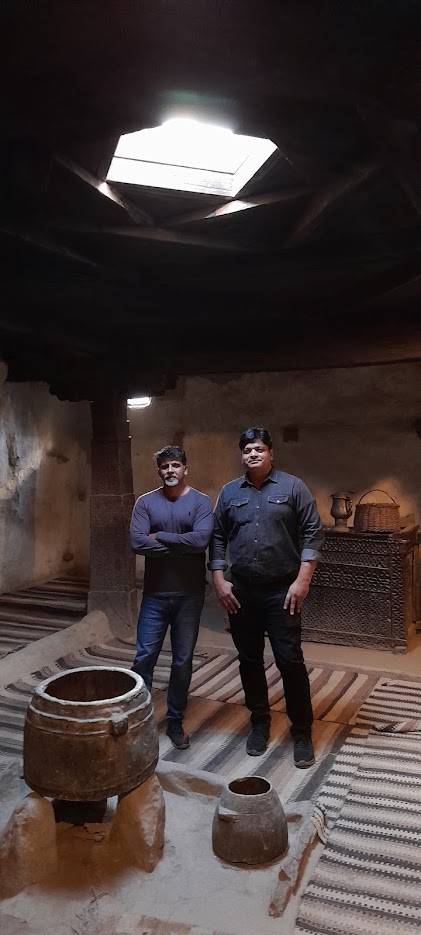

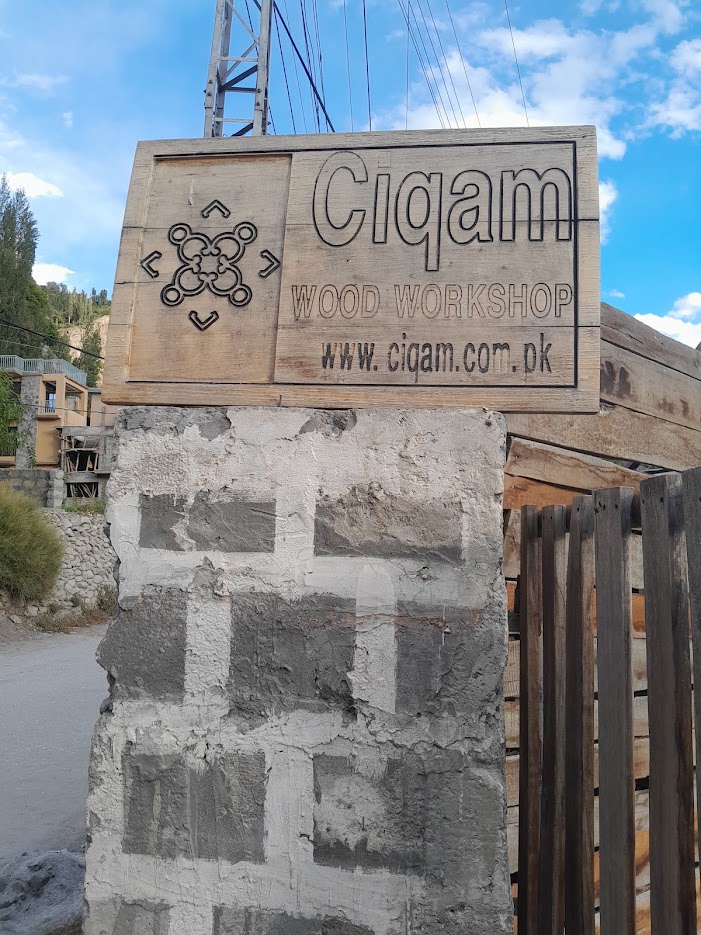
About two hours north of Gilgit city is Hunza, Aliabad and Karimabad are the main towns. in the valley This was part of an ancient kingdom and a princely state till the 1970s. The Altit and Baltit forts are a testament to the skill of the artisans of those times, both are now open to the public for guided tours. Hunza is a unique area in Pakistan in terms of women empowerment, this is perhaps due to the local traditions as well as encouragement of the Aga Khan who is spiritual head of the Ismaili Muslims, who constitute a majority in this area. I also had the good fortune of visiting Ciqam, a woodworking factory, managed and run by women, here women artisans and master carpenters make furniture and musical instruments. Amongst the many restaurants in Karmiabad I would highly recommend Hunza Food Pavilion, run by Lal Shehzadi (more on her story here), this is an excellent place to sample delicious local dishes.
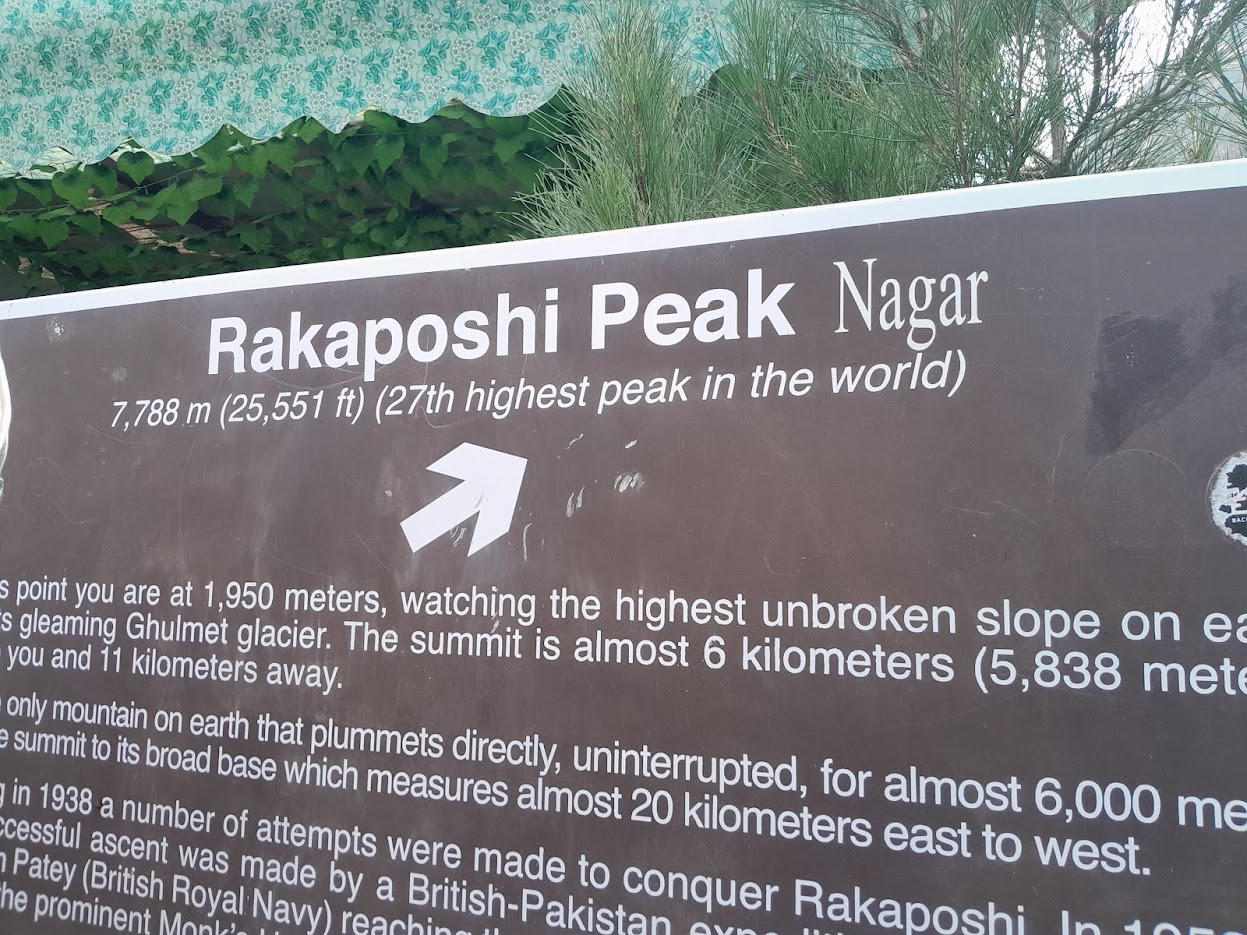
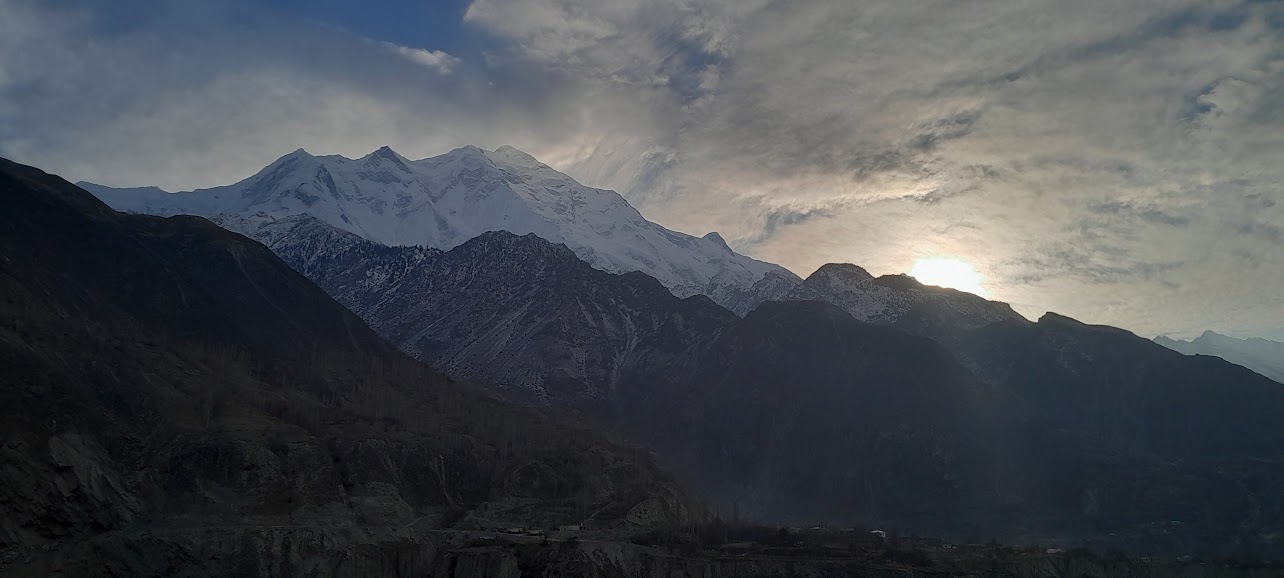

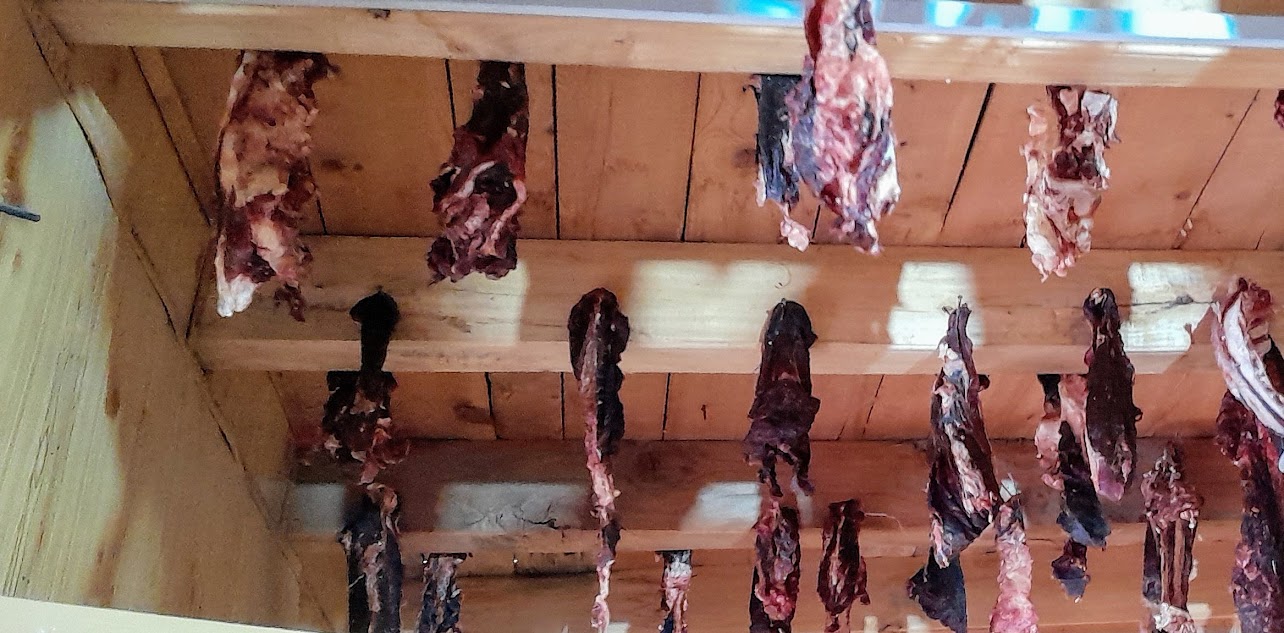
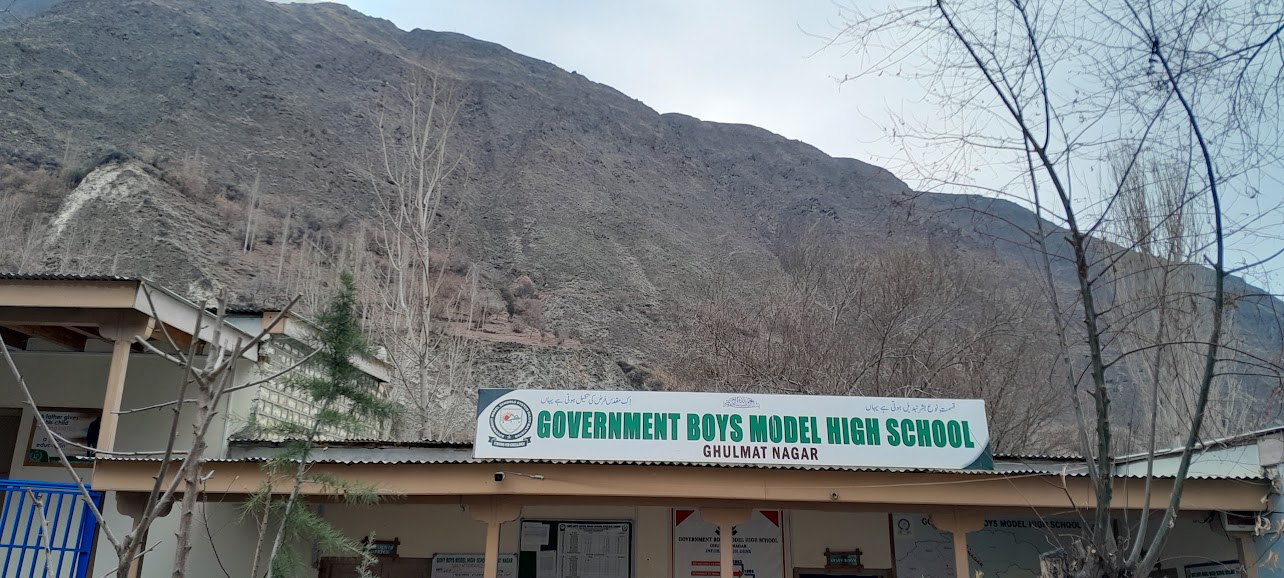
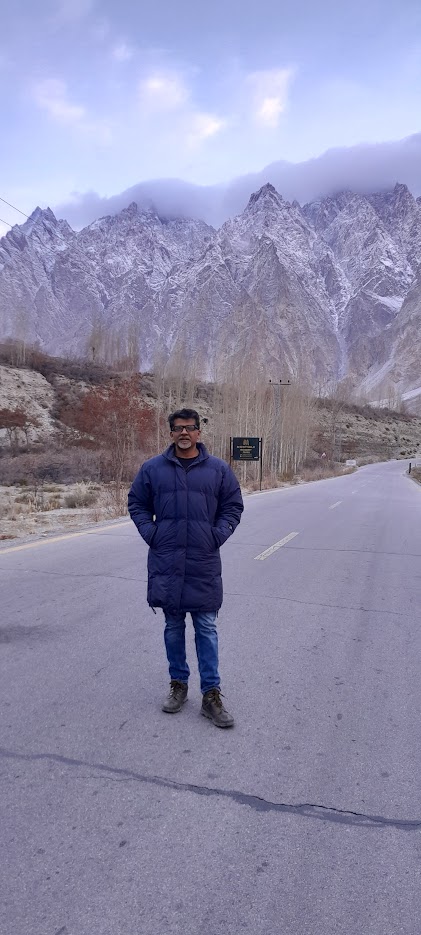
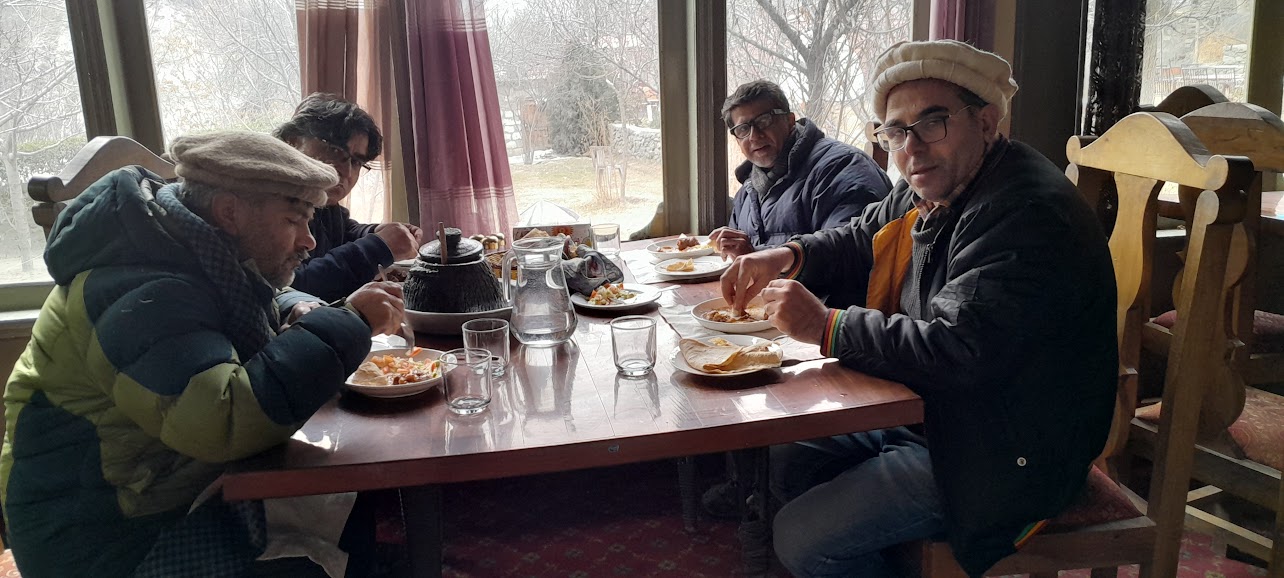
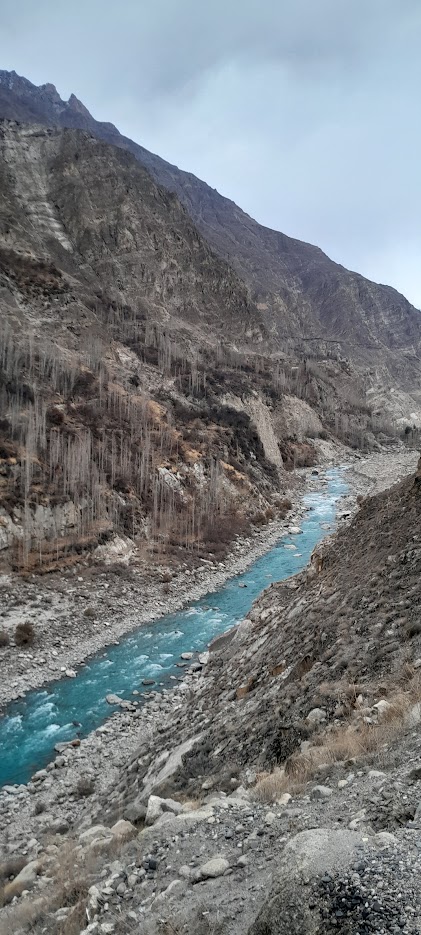
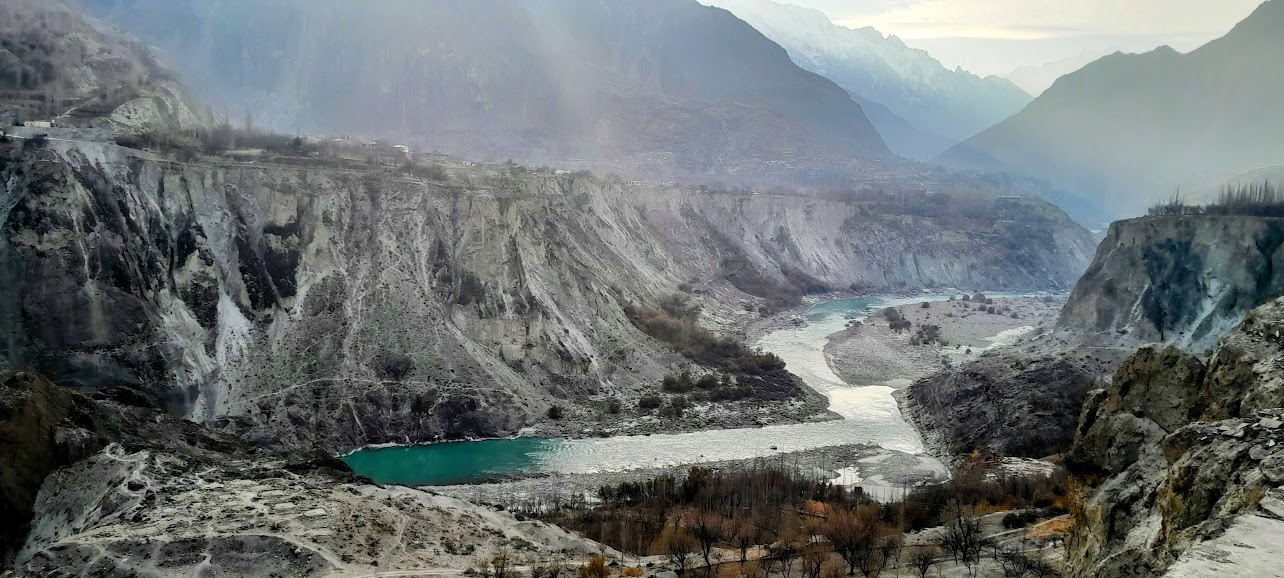
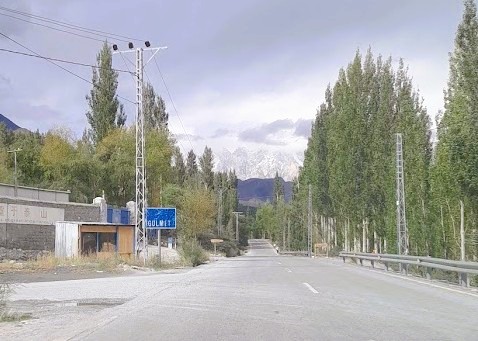
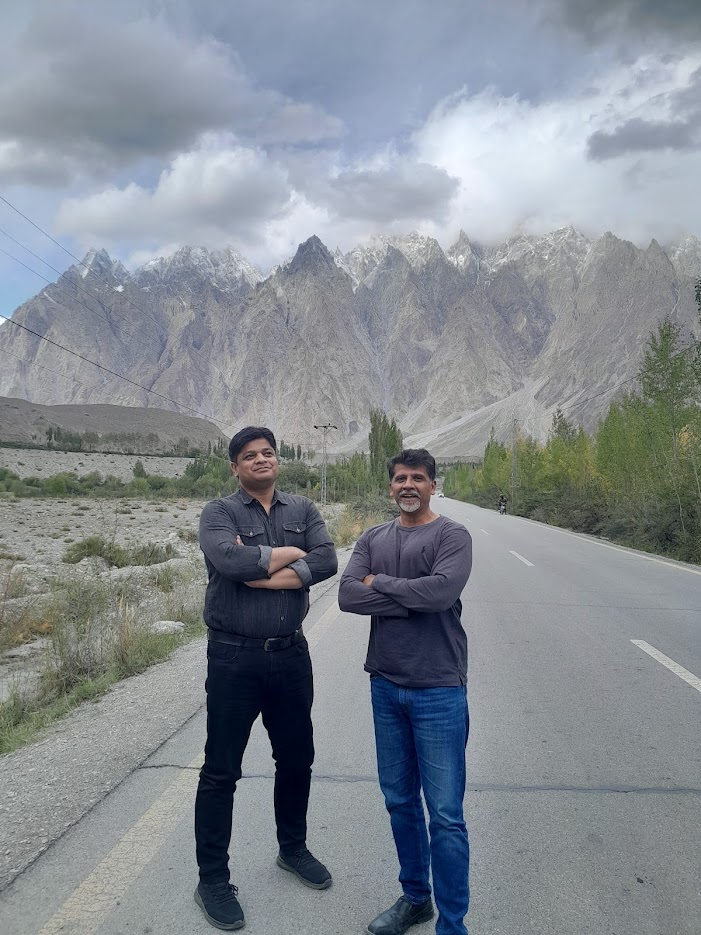

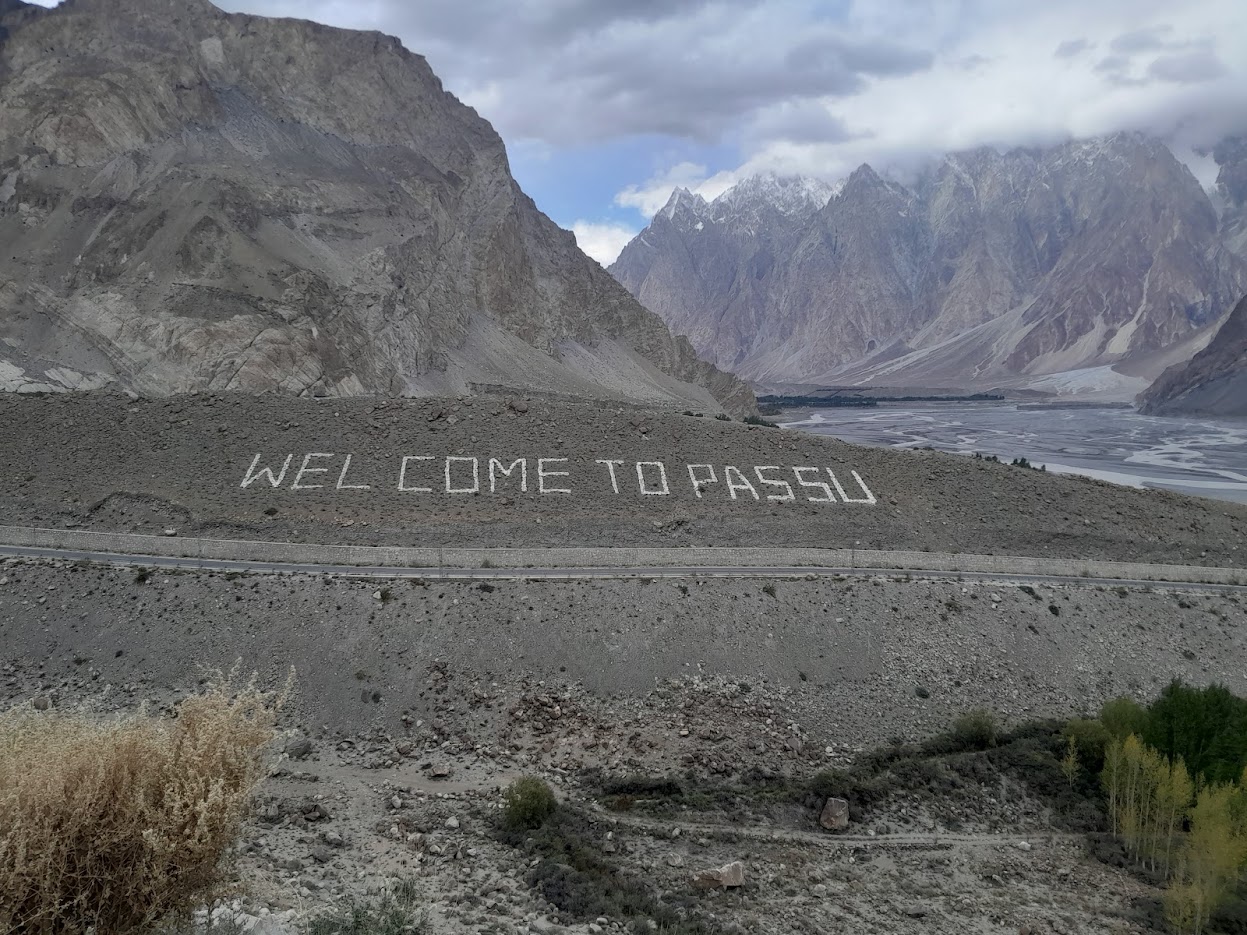

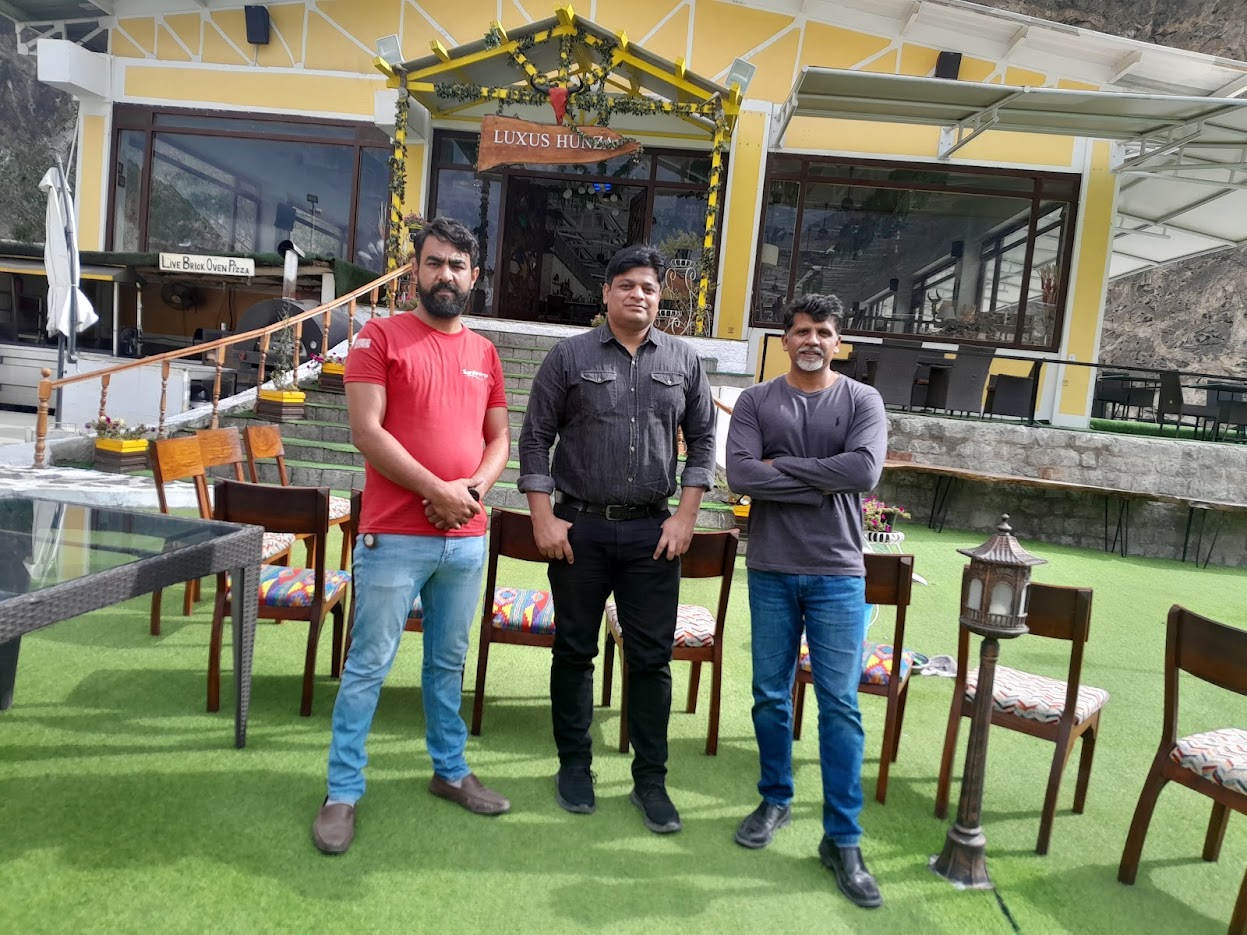


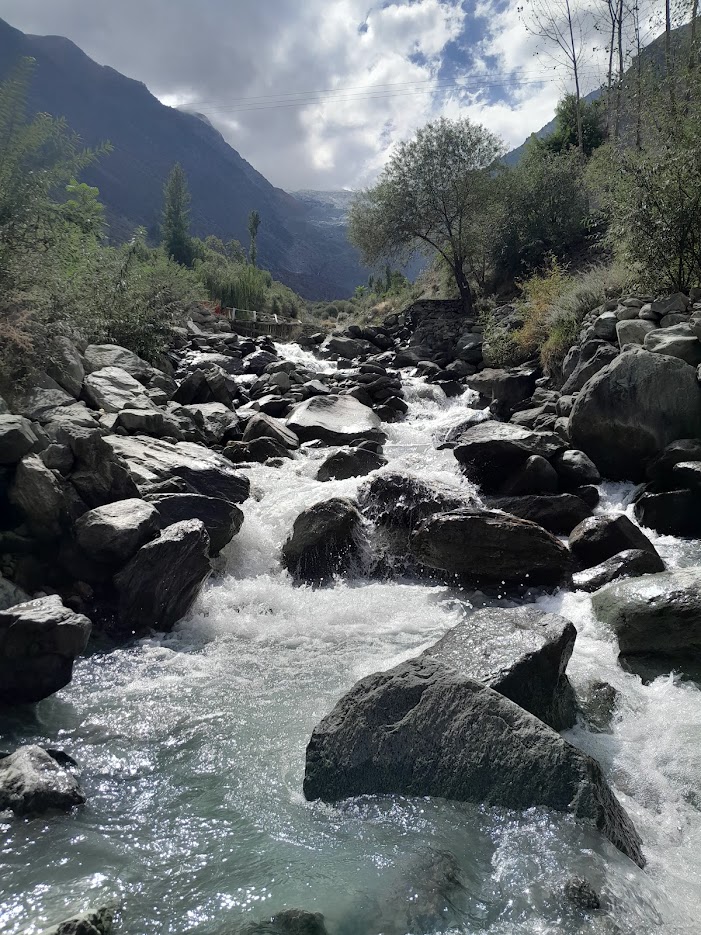
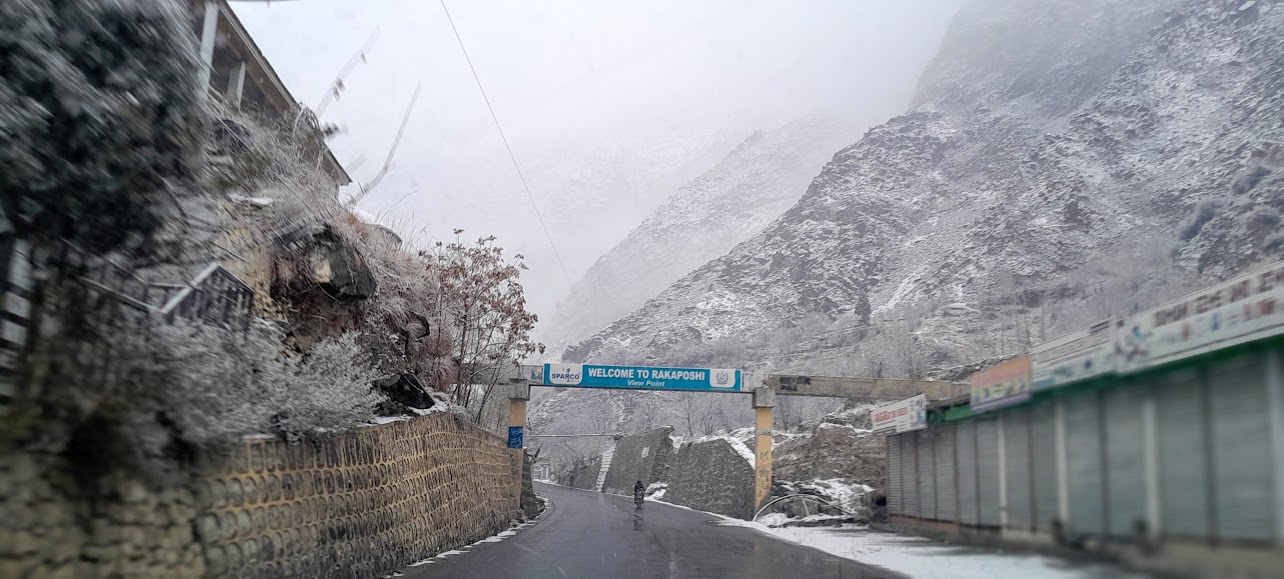
Just south of Hunza is the equally scenic Nagar valley, home to the famed Rakaposhi and Diran peaks (both 7000+ m). With many treks at different difficulty levels, the area is well set up for the adventurer and the more laid back tourist. There are many small villages nestled in the mountains here, I visited some of these including Minapin where we were invited for some traditional food unique to the area. This was at the Ohsho Thang Inn and Restaurant, a place which is a labor of love, the grounds are covered with rose bushes, apricot trees and grape vines, and the food is cooked in a traditional stone pot over several hours and provides a unique experience. Going north from Hunza, on the KKH, one comes to the scared rocks of Hunza, some of the earliest petroglyphs along the ancient Silk Road. Nearby the local community has set up a zipline that can be accessed via a suspension rope bridge (Hussaini suspension bridge) with large spaces between steps for the thrill seekers. An earthquake hit the area in the early 2000s and resulted in the formation of the Atabad lake which has become a hub of water sports and a major tourist spot. An iconic feature along the route are the Passu cones a row of sharp peaks with many hiking opportunities. Further north one passes through Sost, the last major town on KKH before crossing the Khunjerab pass and on to the Pakistan-China border, this has the distinction of being highest land border crossing in the world. There are many other interconnected valleys here, and it would take many trips to visit all of them.
I spent close to three weeks in the region recently , which was still too short to truly experience everything the region has to offer, and I hope to be back exploring again soon.

 The Open Roads