Like its namesake in the Middle East, Sarajevo, the capital city of Bosnia and Herzegovina, has had a very rich history, and unfortunately just like Jerusalem it has unfortunately been marred by violence and war periodically, through its history. Before the war in the 1990’s, Sarajevo to most people in the modern world was known for the assassination of Archduke Franz Ferdinand, the heir to the Austro-Hungarian throne, that served as a precursor to WWI. The city has has a long and rich history dating back centuries, although it came into political prominence after the Ottomans took over in the 16th century. It has been a city that peoples of multiple religious persuasions have called home, Orthodox Christians, Catholics, Jews and Muslims have shared heritage which is reflected in the buildings and architecture of the city. I visited the city for a few days in the summer of 2024 and would definitely recommend this be on every travelers bucket list.
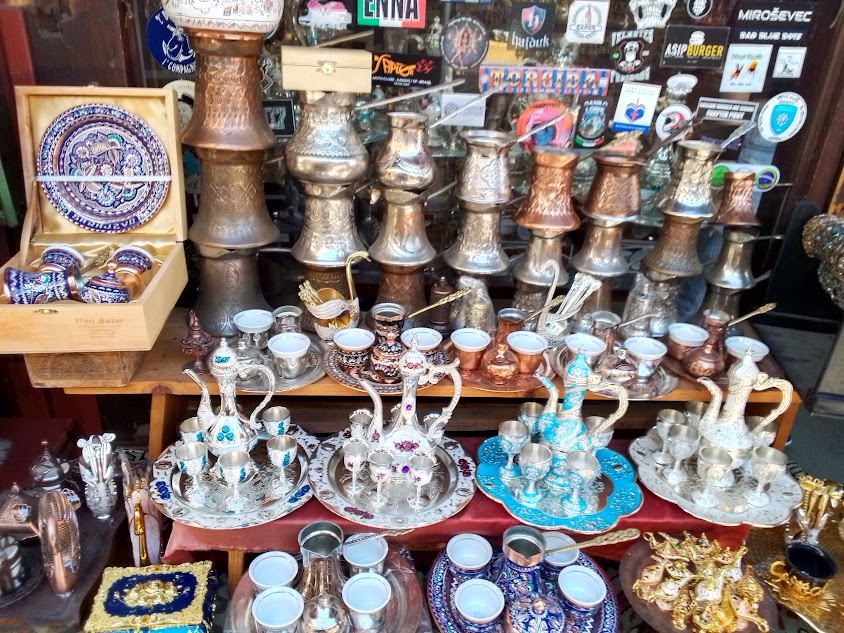
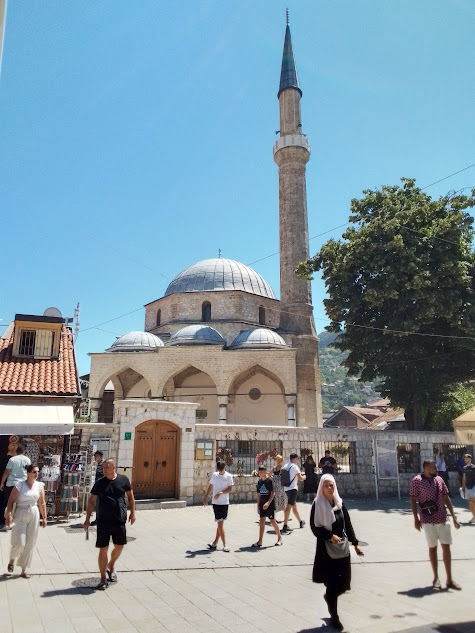

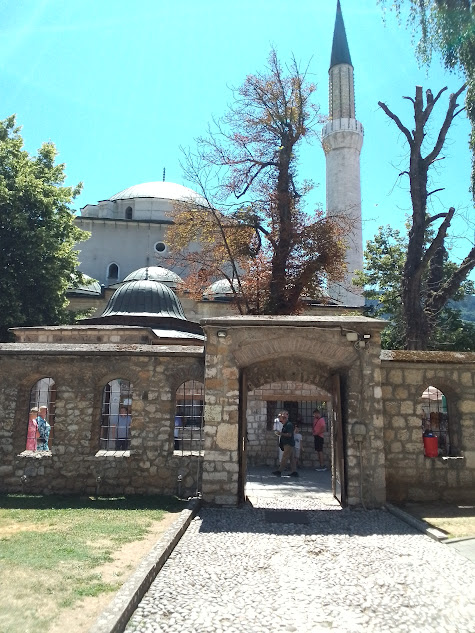
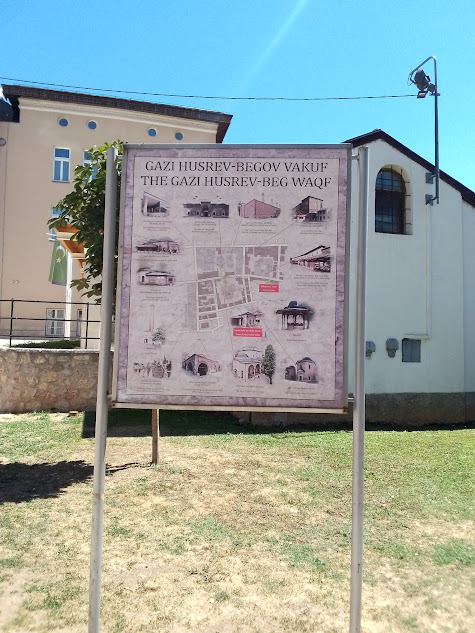
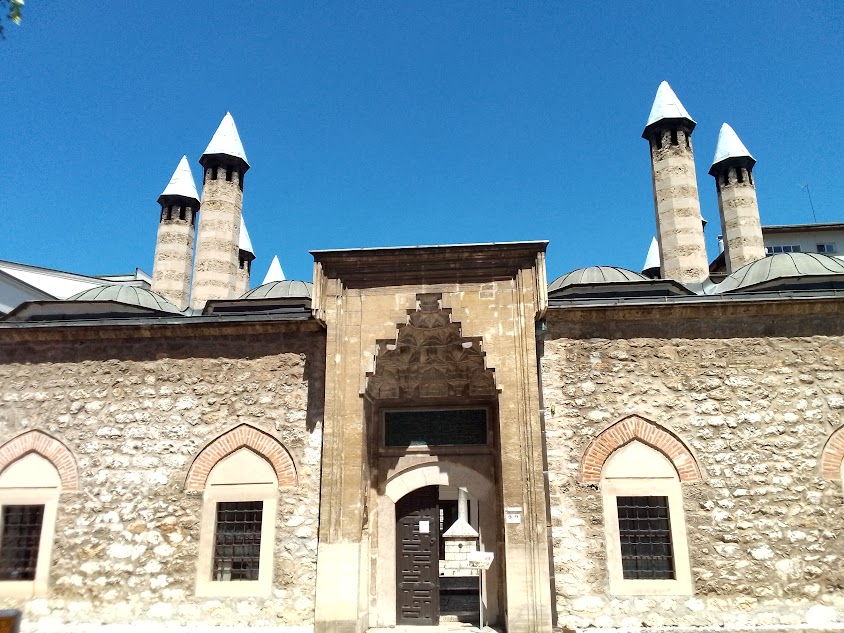
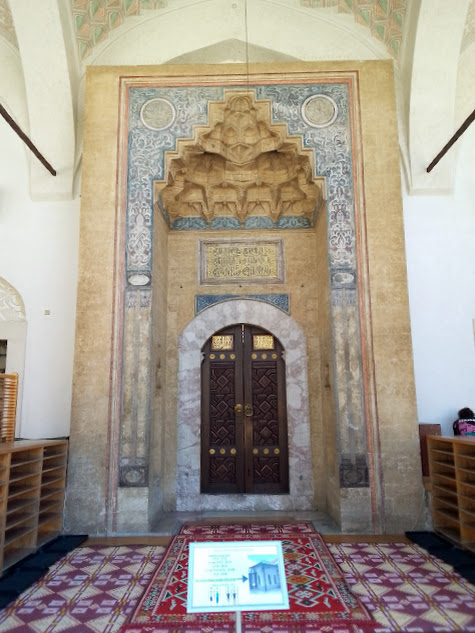
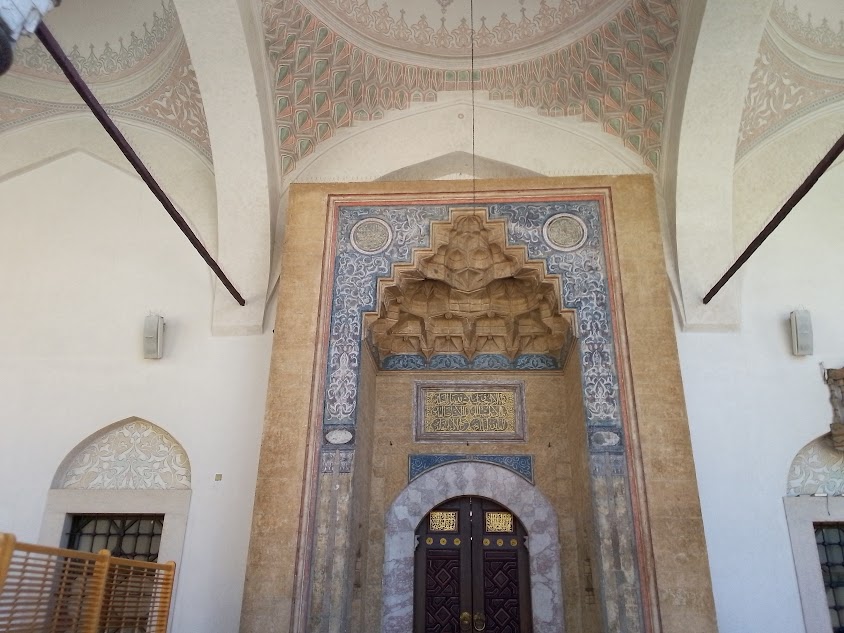
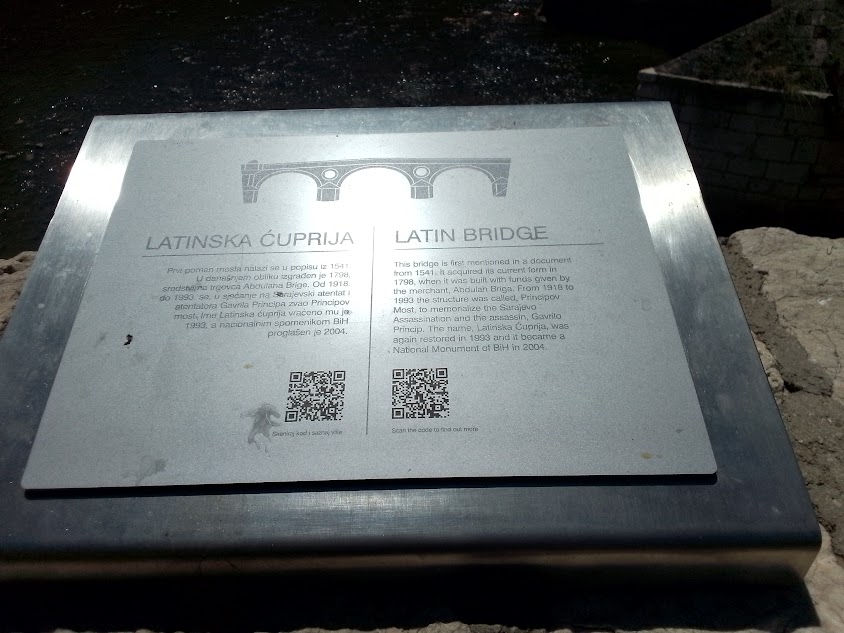
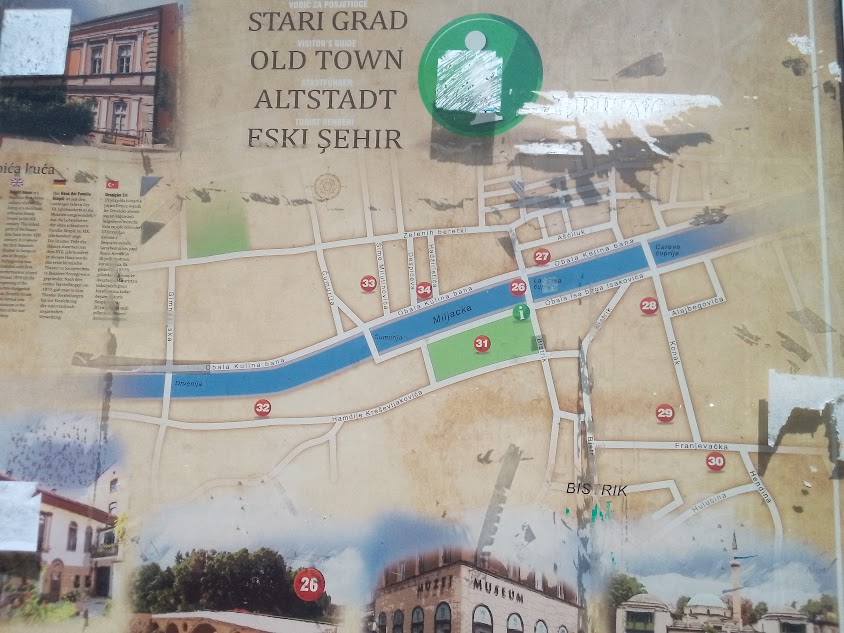
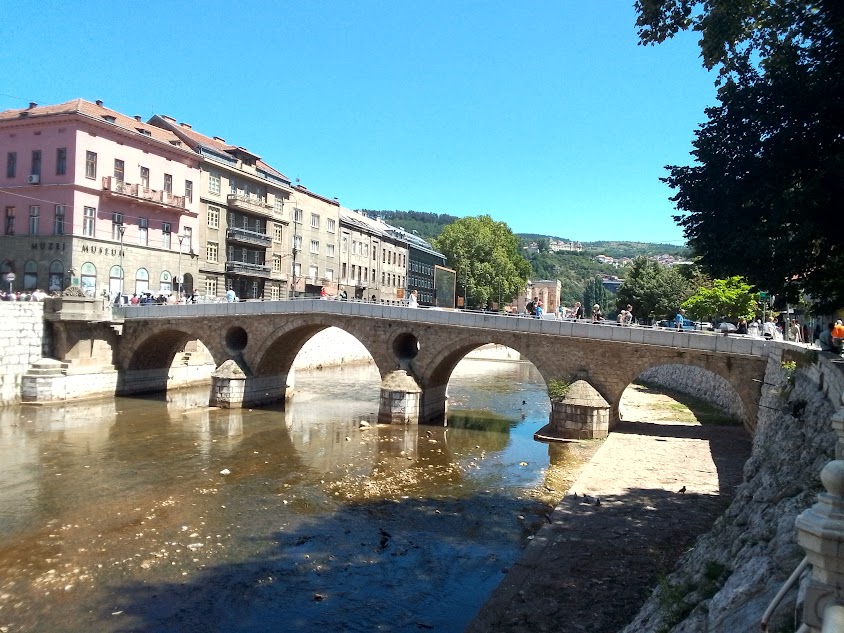
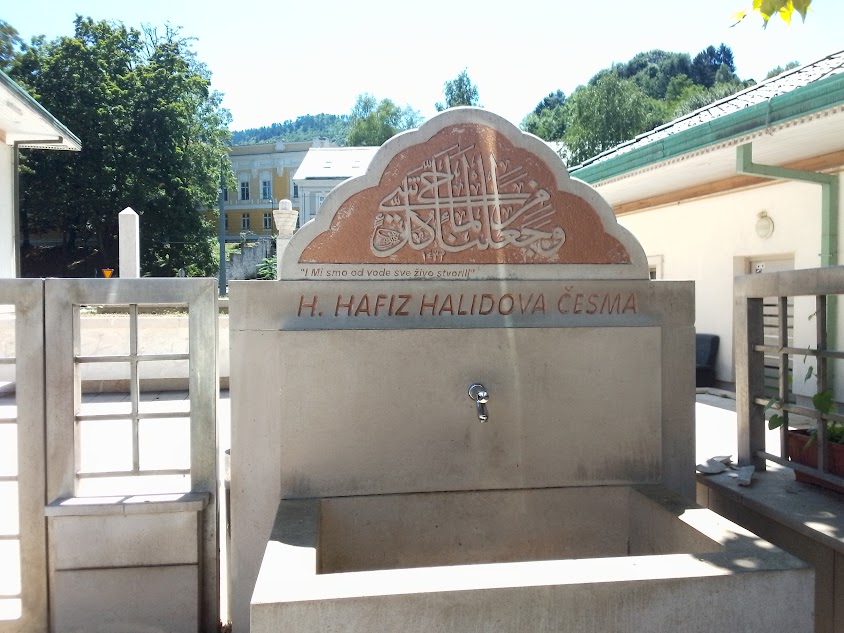
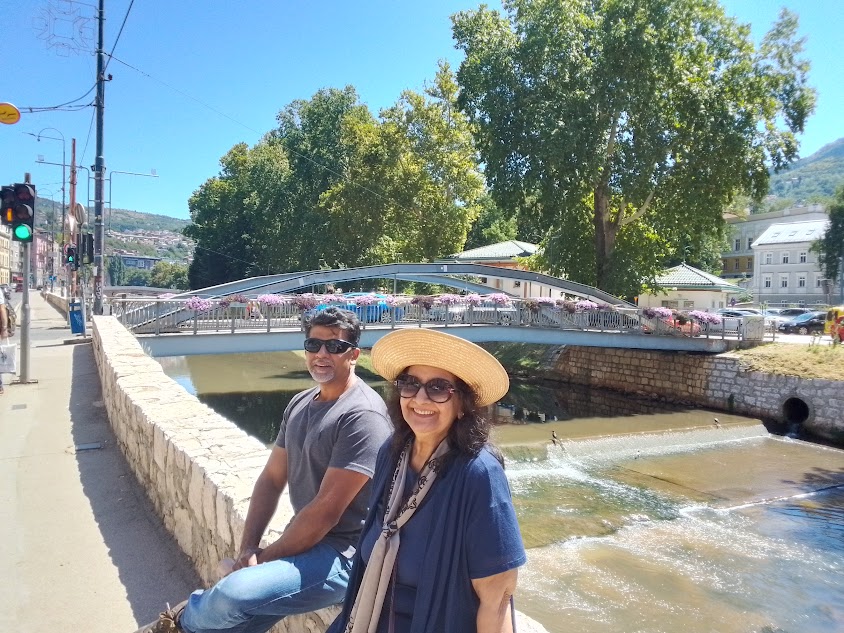
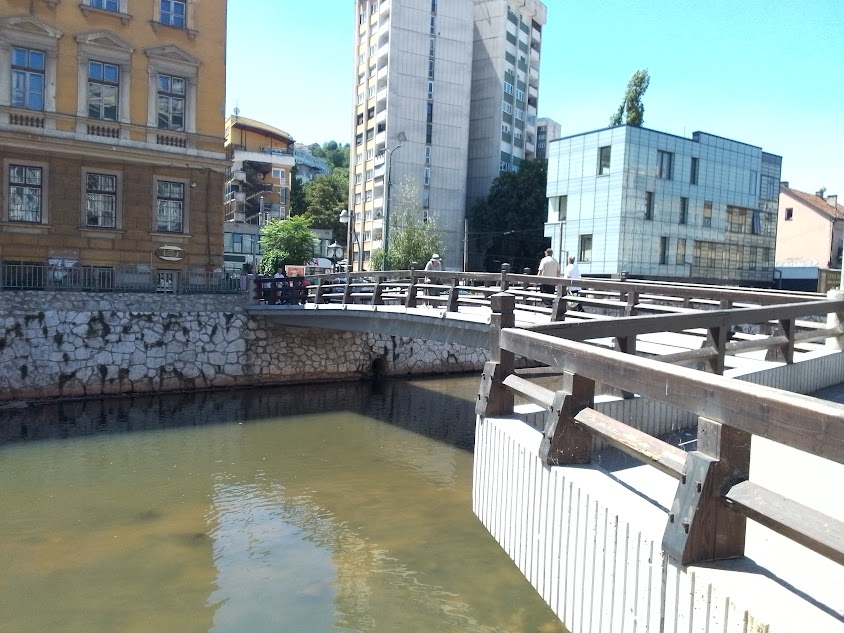
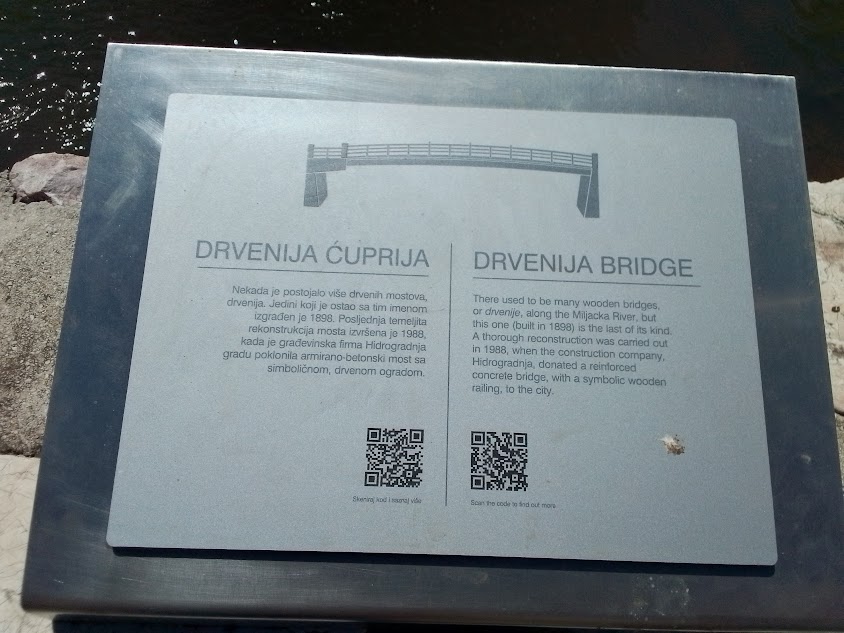
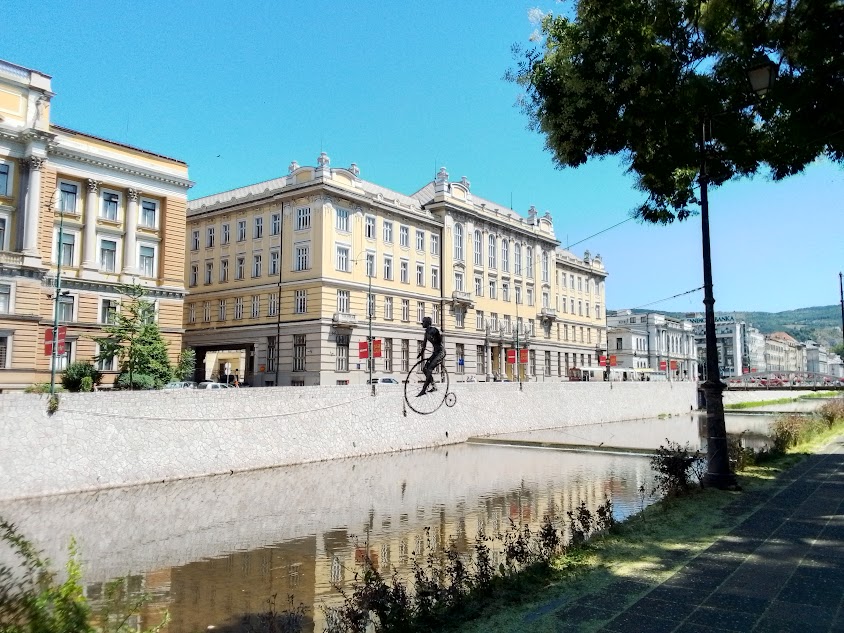
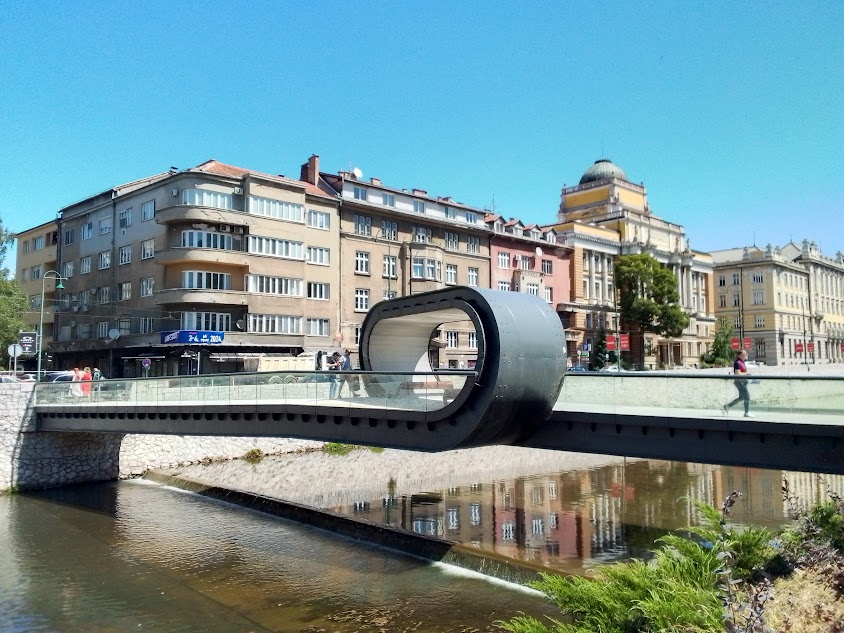
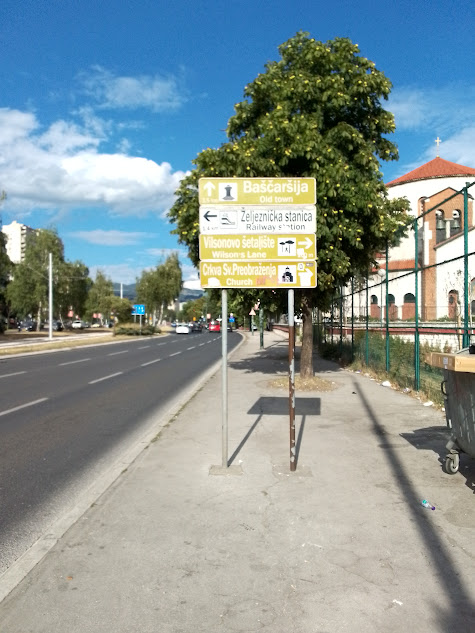
The old town is always a good starting point for exploring a city, specially when visiting a place for the first time and usually one can find decent accommodations, Sarajevo’s old town ‘Baščaršija‘ was built by the first Ottoman governor of the city Isa Beg Ishakovic, and served as the commercial center of the city, additional buildings were added during the Hapsburg period and one can see the two distinct architectural styles today. Gazi Husrev Beg Mosque, the old Cathedral and Synagogue in the old city, are a testament to the city’s rich heritage. One can find decently priced souvenirs at the copper street where artisans have been plying their trade for centuries. The city’s 13 iconic bridges, cross the river Miljacka here, these include the Latin bridge, famed for the assassination of Franz Ferdinand and the Suada and Olga bridge, the site of the first victims of the civil war. Ruins of an old caravanserai “Taslihan” can also be seen in this part of the city.
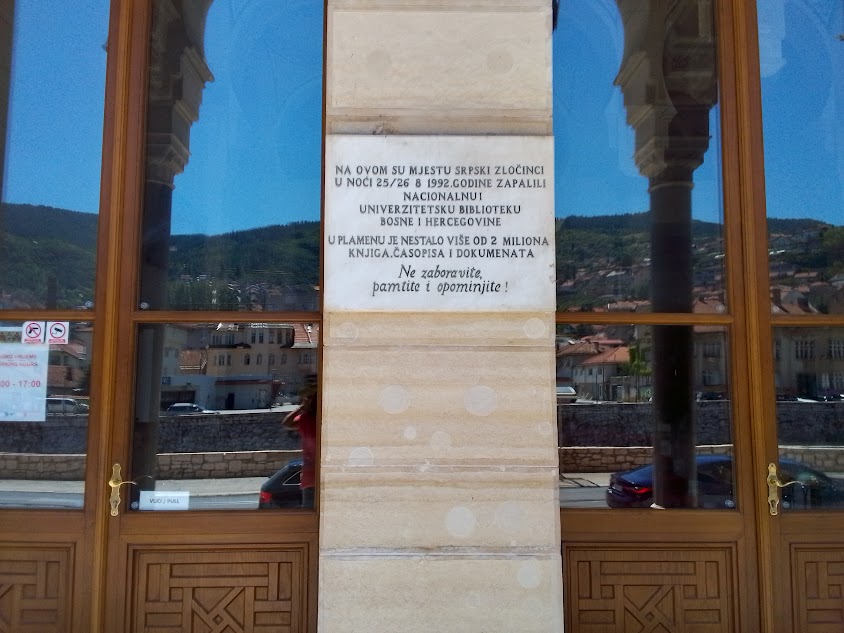
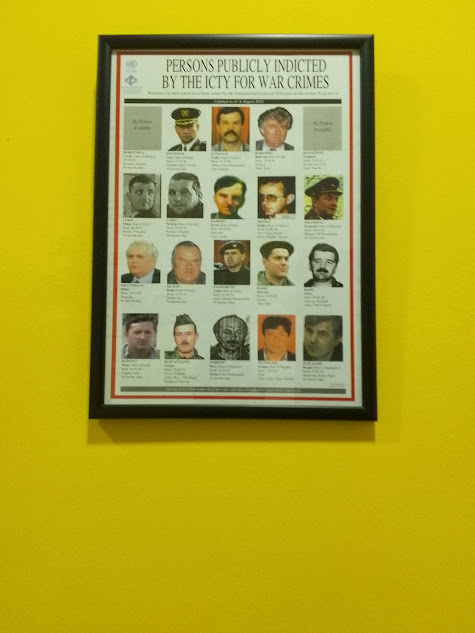
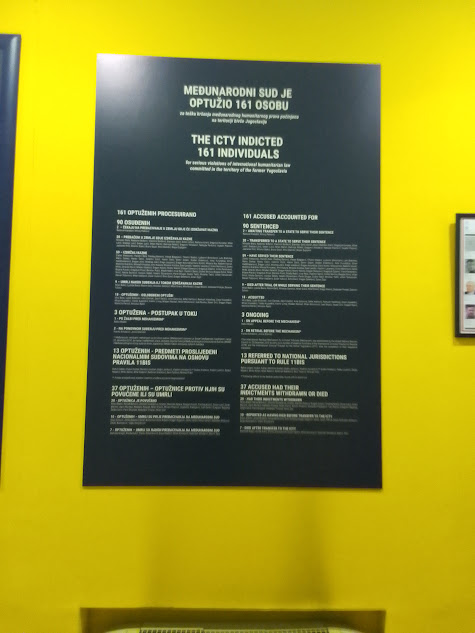

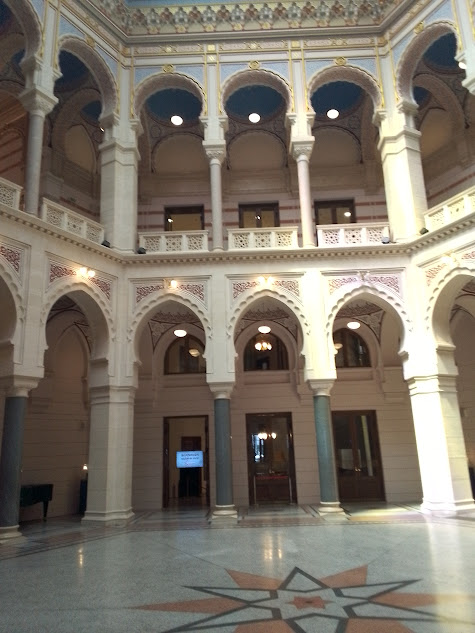
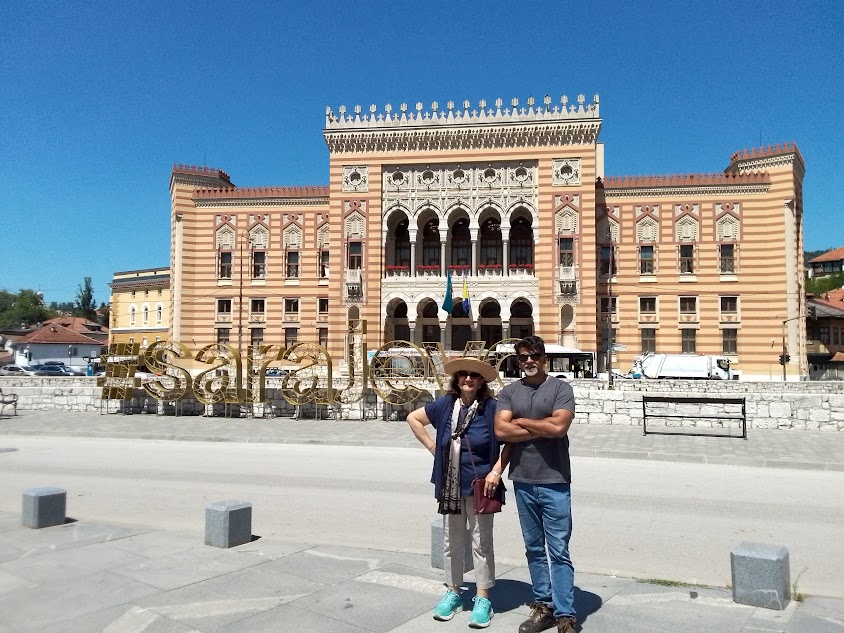
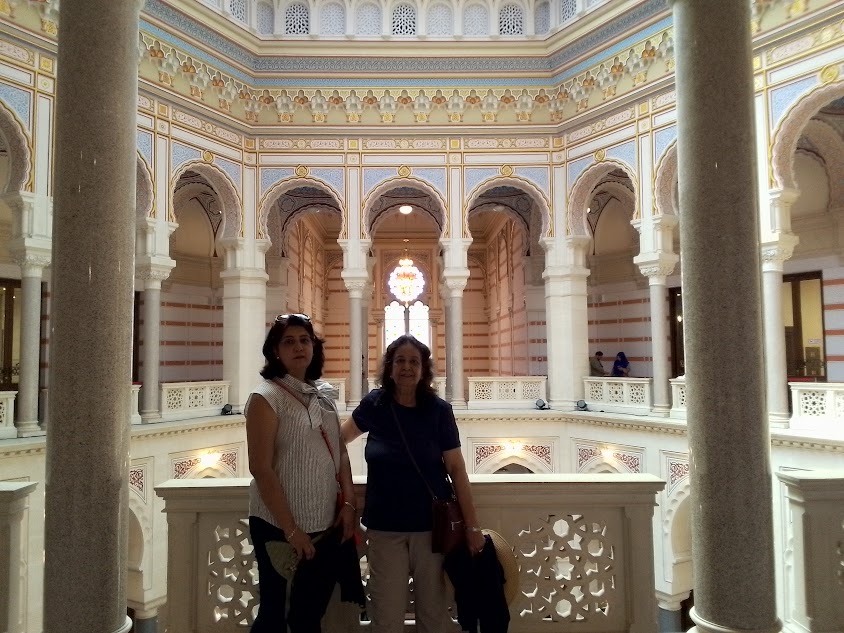
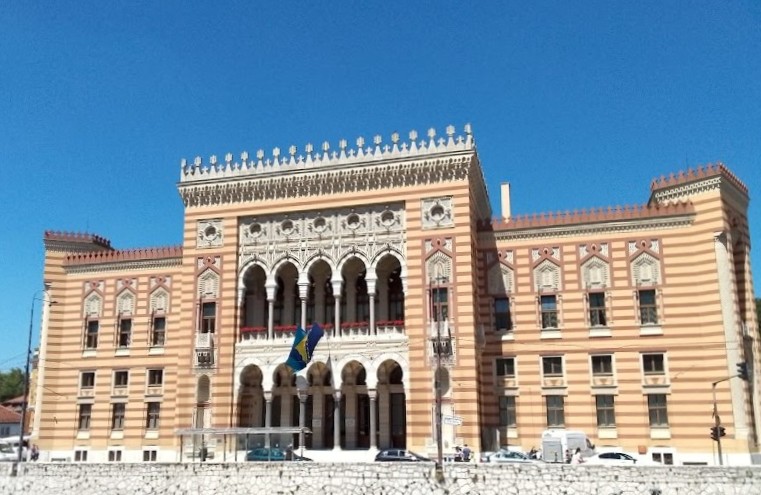
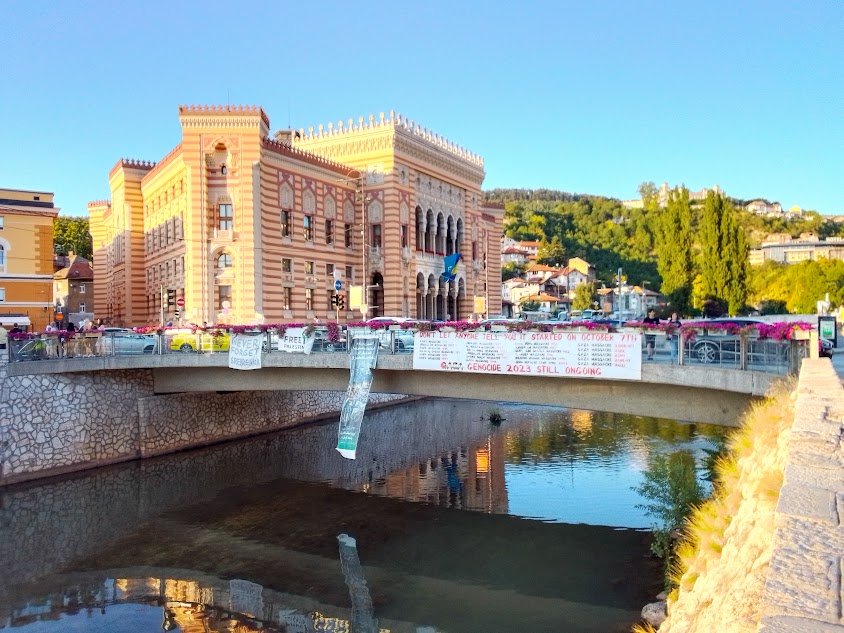
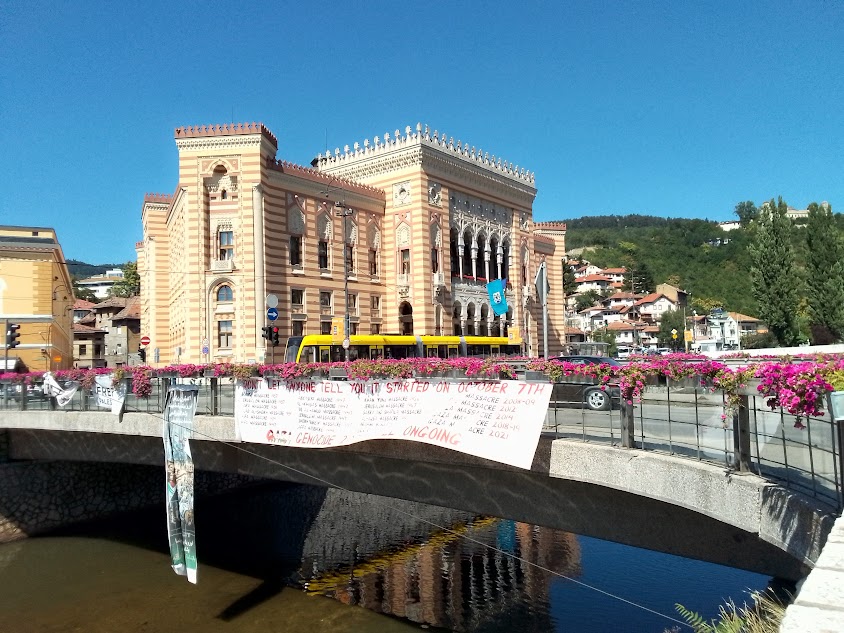
Another iconic building is the Sarajevo city hall built during the Austro-Hungarian period, this was destroyed during the civil war and has been rebuilt in the original style since. It become a symbol of the brutal and senseless war when it was virtually destroyed during the siege of Sarajevo. The image of the cellist Vedran Smailovic playing in the ruins caught the imagination of people the world over, after the city hall was rebuilt he was once again invited to play there, hopefully a harbinger of a brighter future for the peoples of Bosnia. There is a genocide museum in the building, recording the horrors of the war and the trials at the International Court of Justice, it is a very moving experience, and a reminder that the world must not never let the suffering be forgotten.
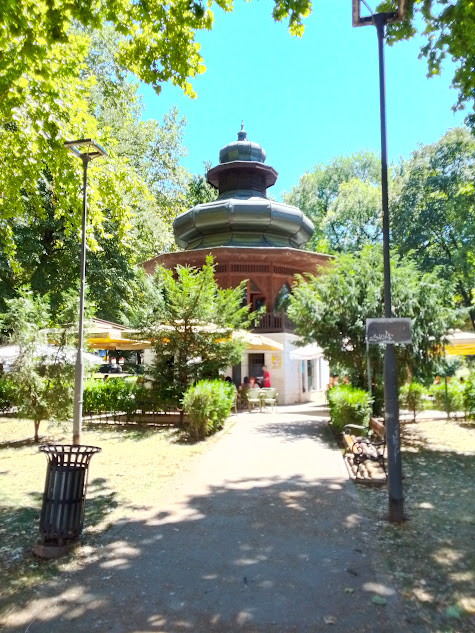
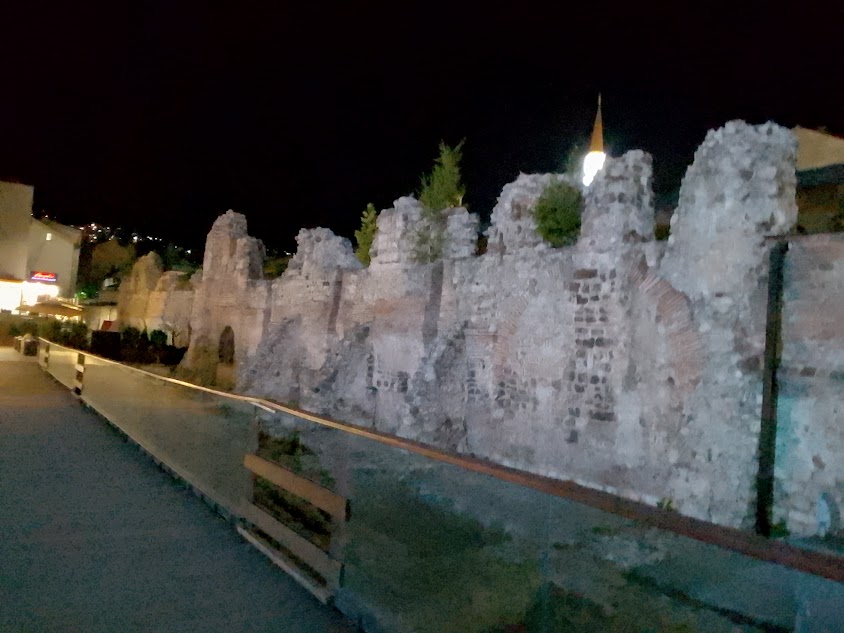
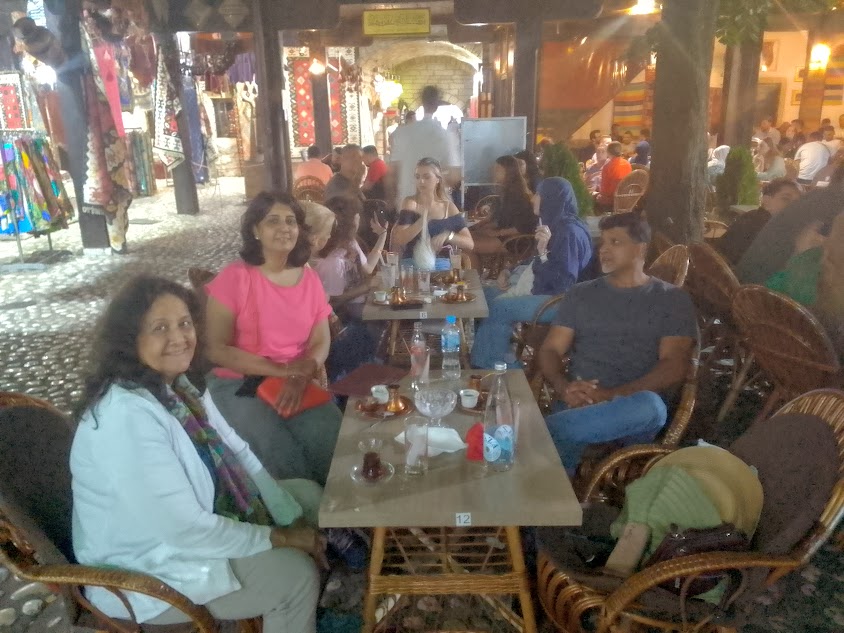
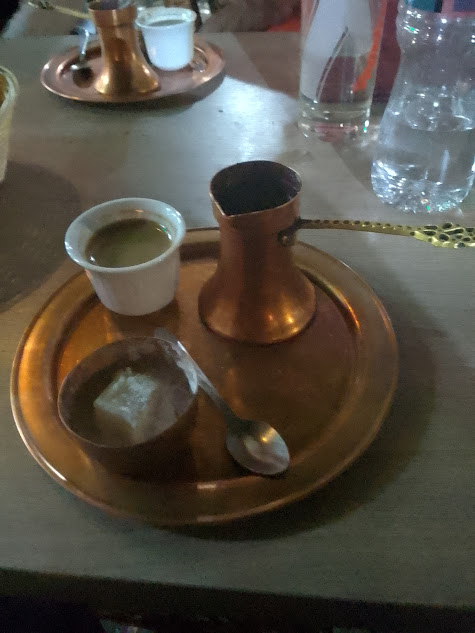
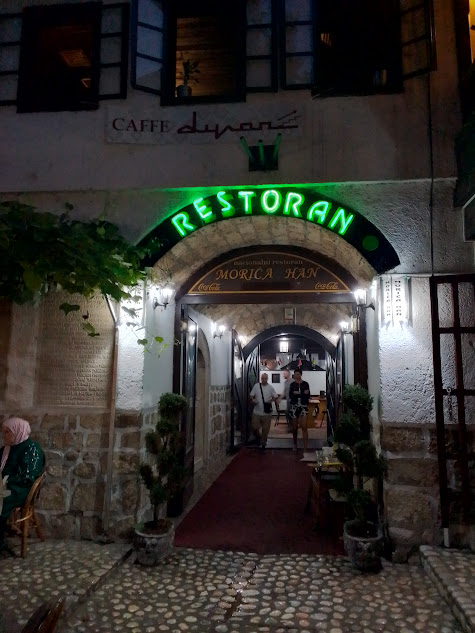

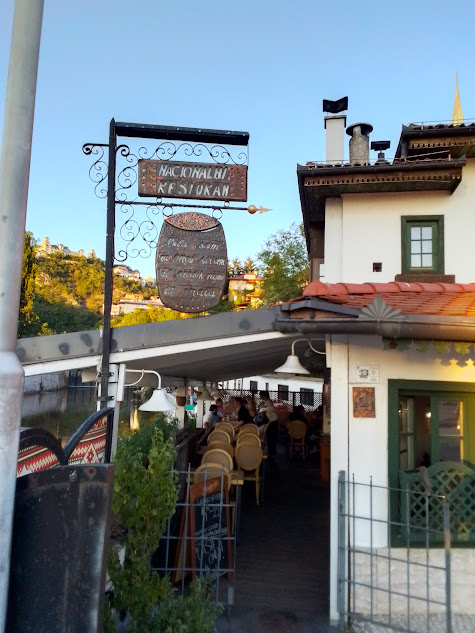
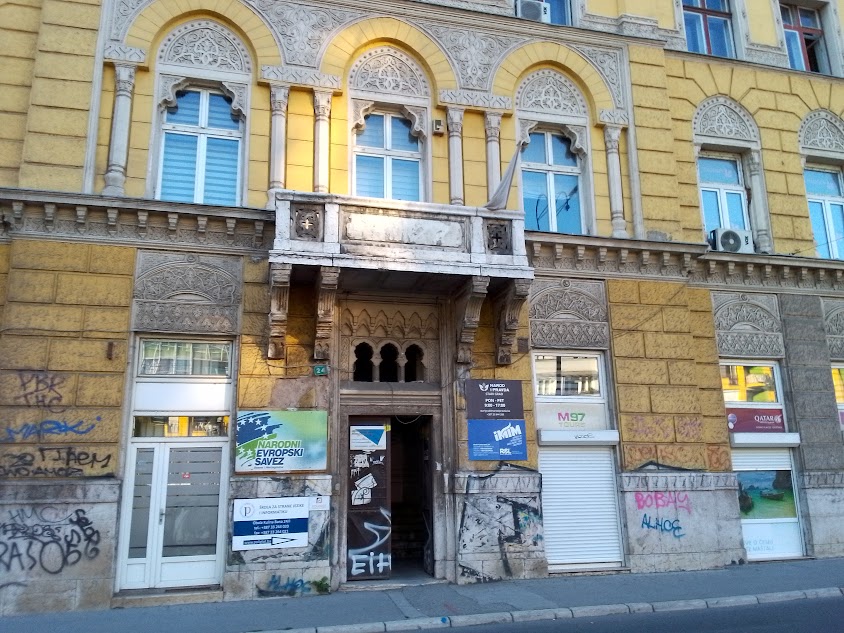
There are many excellent cafes and restaurants all over the old town. An interesting place is the restaurant ‘Inat Kuca’ (literally Defiance House), this restaurant is housed in a building that was relocated piece by piece by the Hapsburg government as demanded by owner as the price so that an official buildings on the other side of the river where the house was initially located. An old caravanserai from the 16th century, ‘Morica Han‘ still stands today, it is now home to some shops and restaurants. We had a nice dinner at one of these, the whole experience of a nice meal in this quaint setting is definitely worth trying.
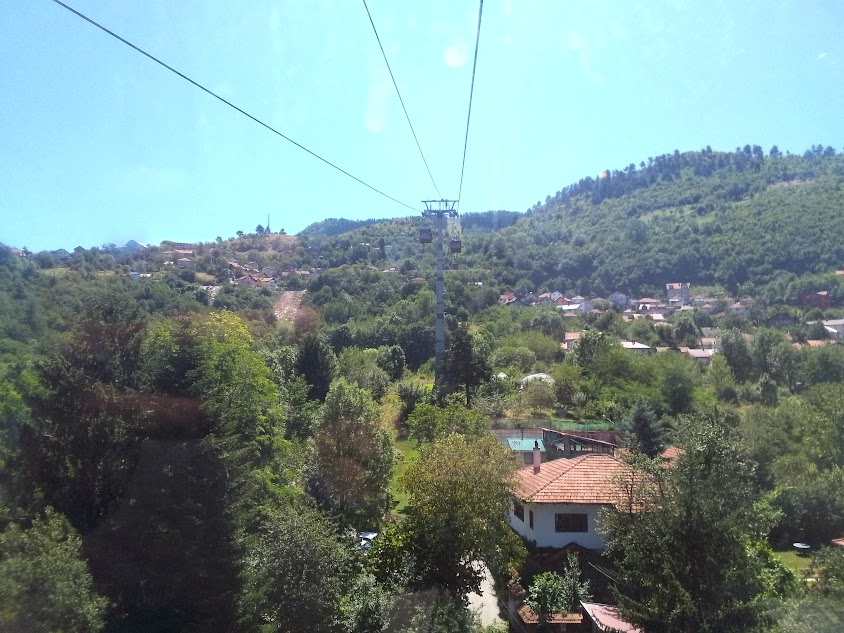
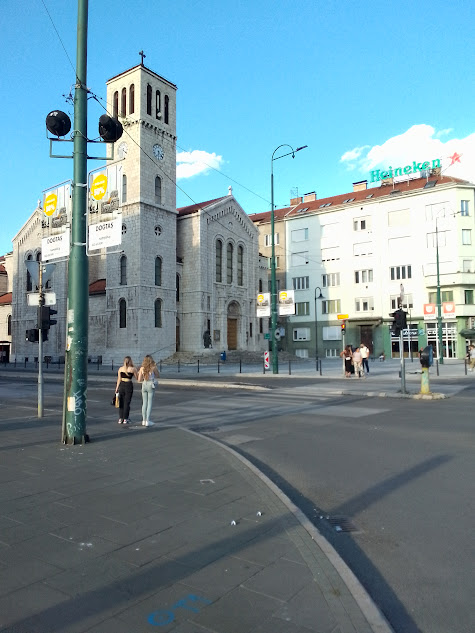
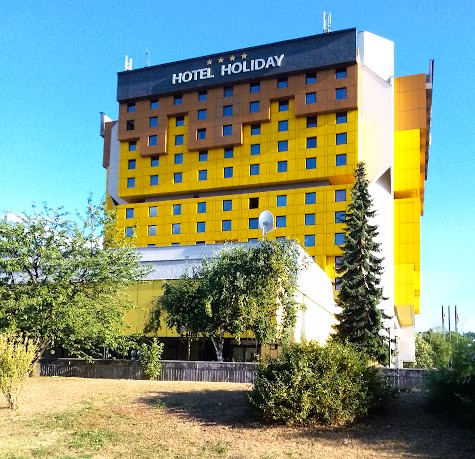
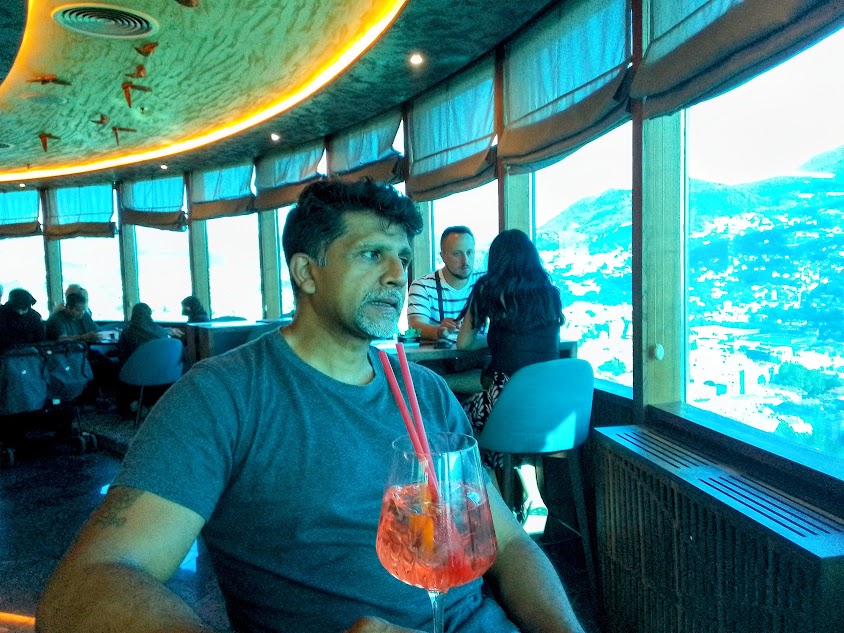
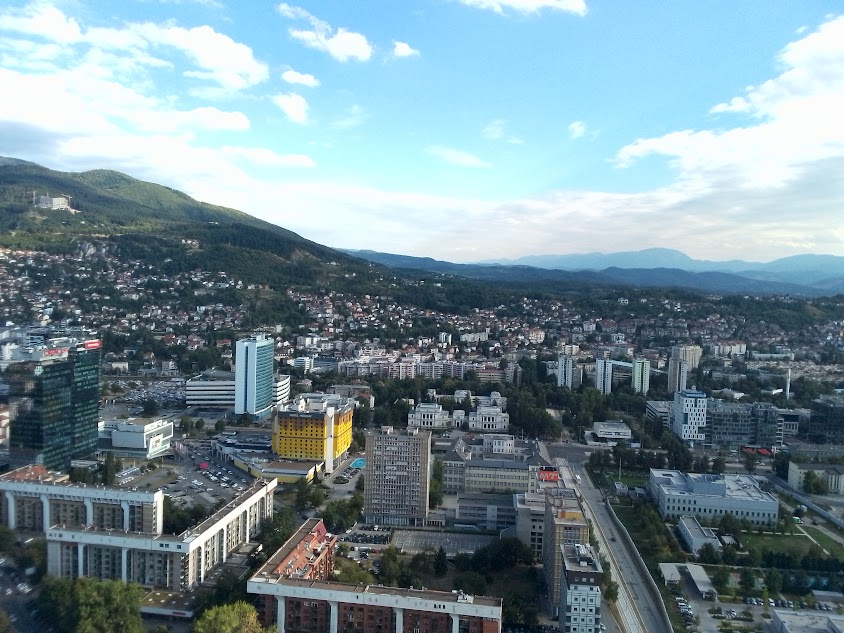
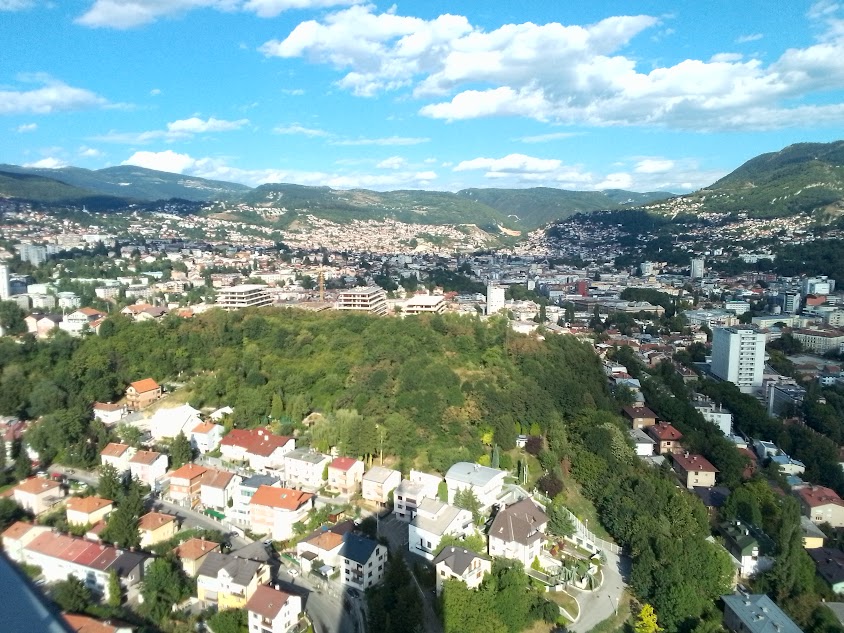
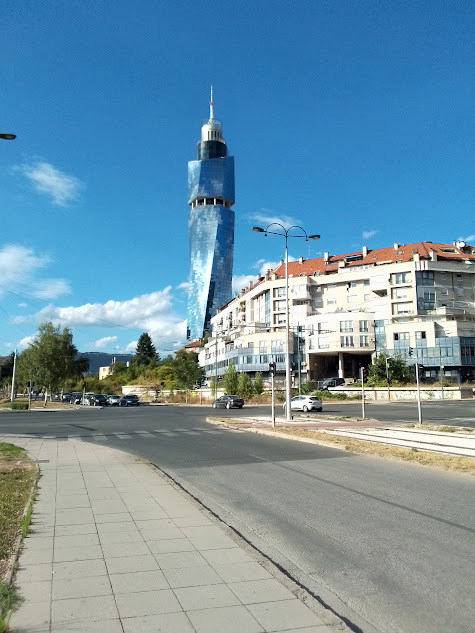
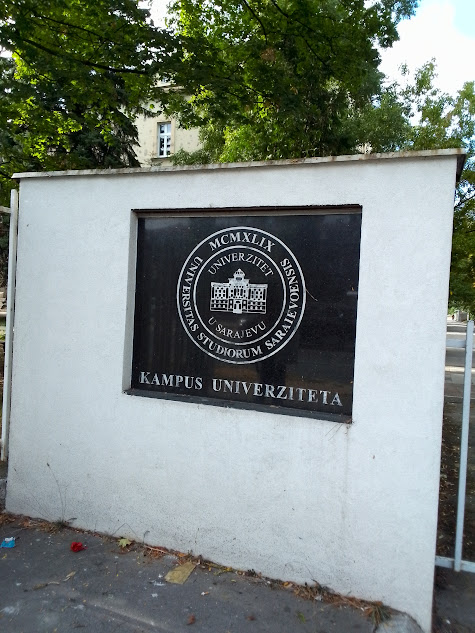
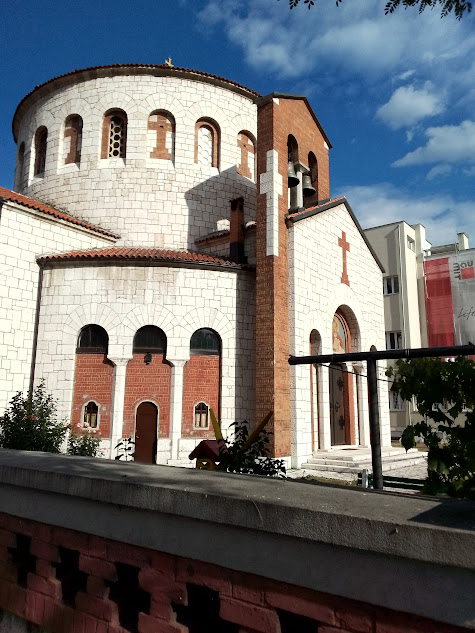

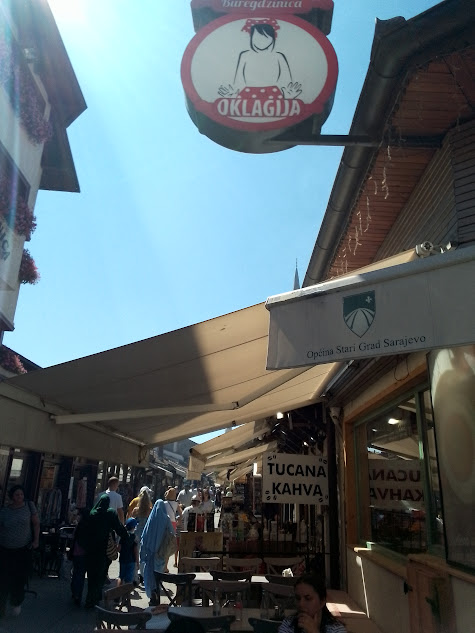
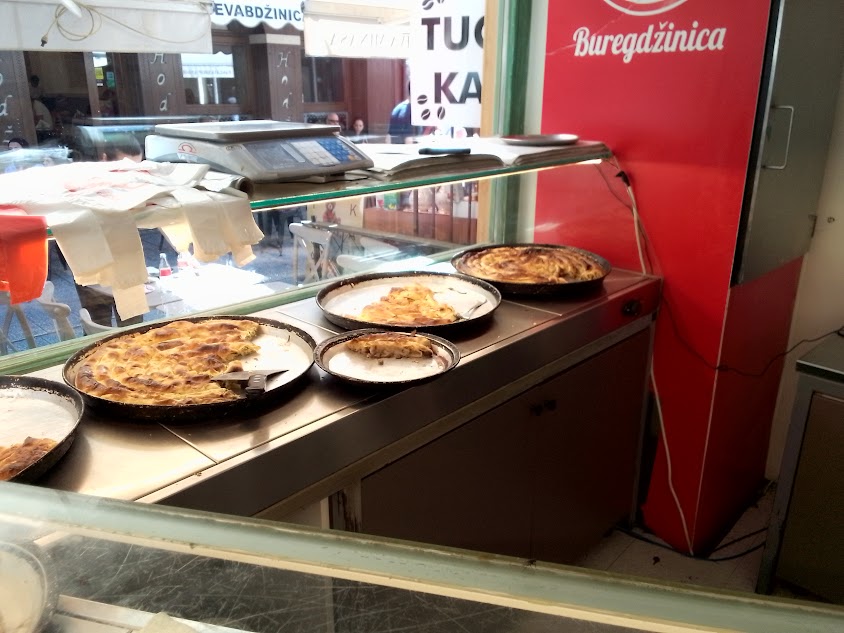
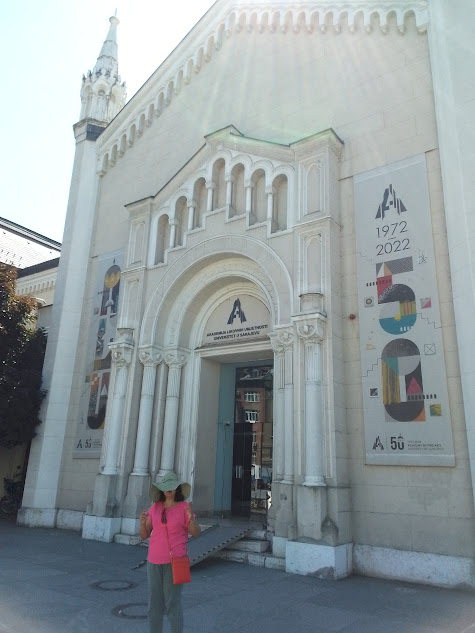
Of the many restaurants we tried I would like to mention is ‘Oklagija‘ a borek shop in old town, they have a variety of borek an ayran fountain and a very friendly staff. Near the old town is the Sarajevo cable car which connects the city to the Trebevic mountain. The ride offers breathtaking views of the city and there are many hikes one can explore on the mountain. A few kilometers away from the old town is the iconic Holiday Holiday Inn hotel this became the base for many journalists covering the siege of the city during the civil war. Another interesting building nearby is the Avaz Twist tower, which offers great panoramic views of the city from the lounge at the 40th floor. Sarajevo University, the Synagogue and the Cathedral are also worth a visit when in this area.
Sarajevo is still a city healing from its wounds and trying to keep in place the sometimes fragile peace amongst its people. But it also reflects hope for the future, with the younger people who while very aware and cognizant of the horrible event of the 90’s look more to the future than dwelling on the past. I hope to be back and explore the city and its life more very soon.

 The Open Roads