
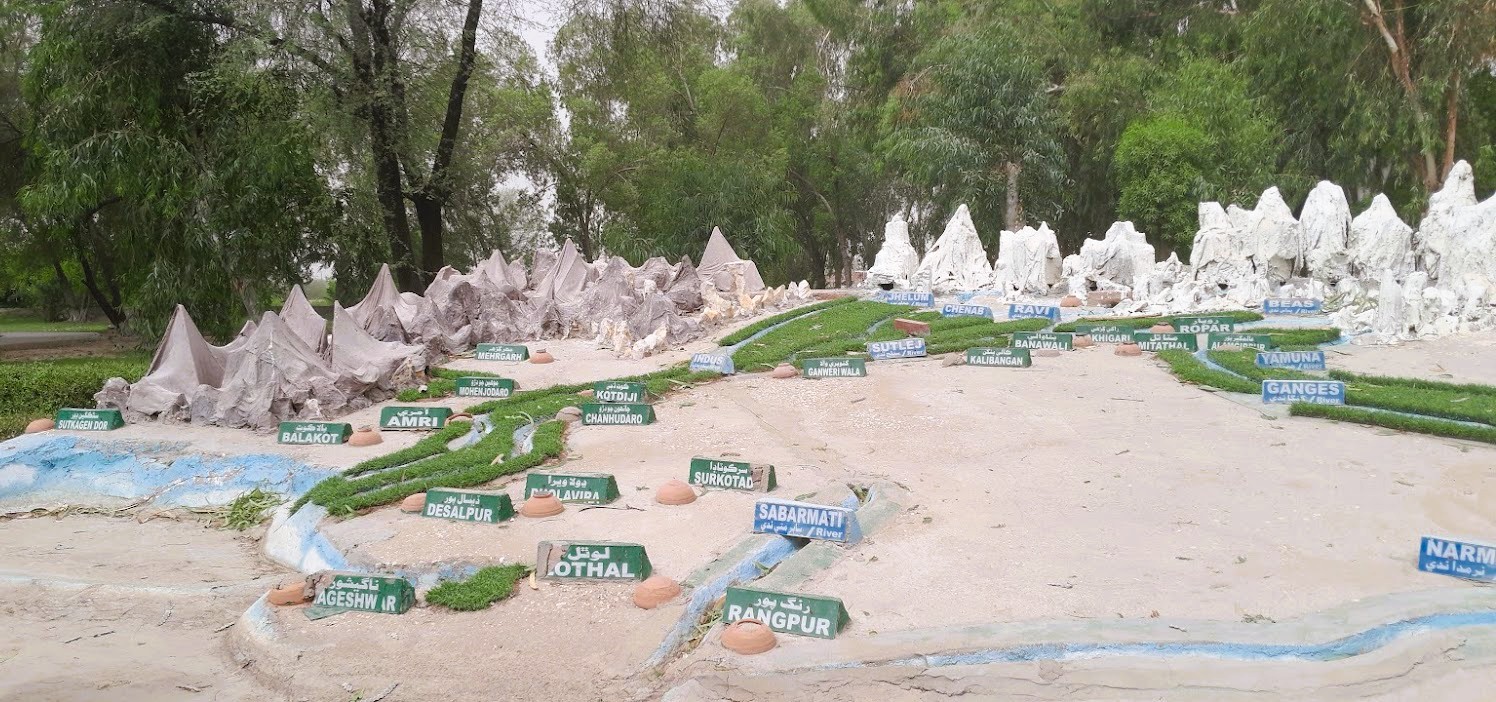

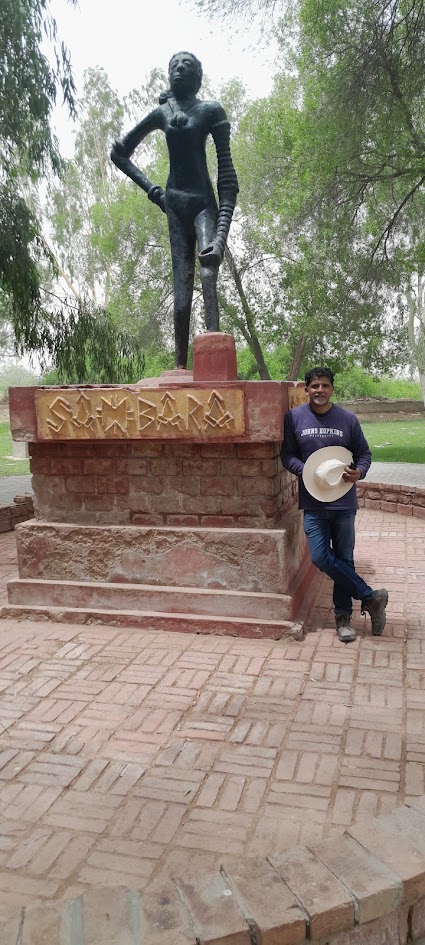
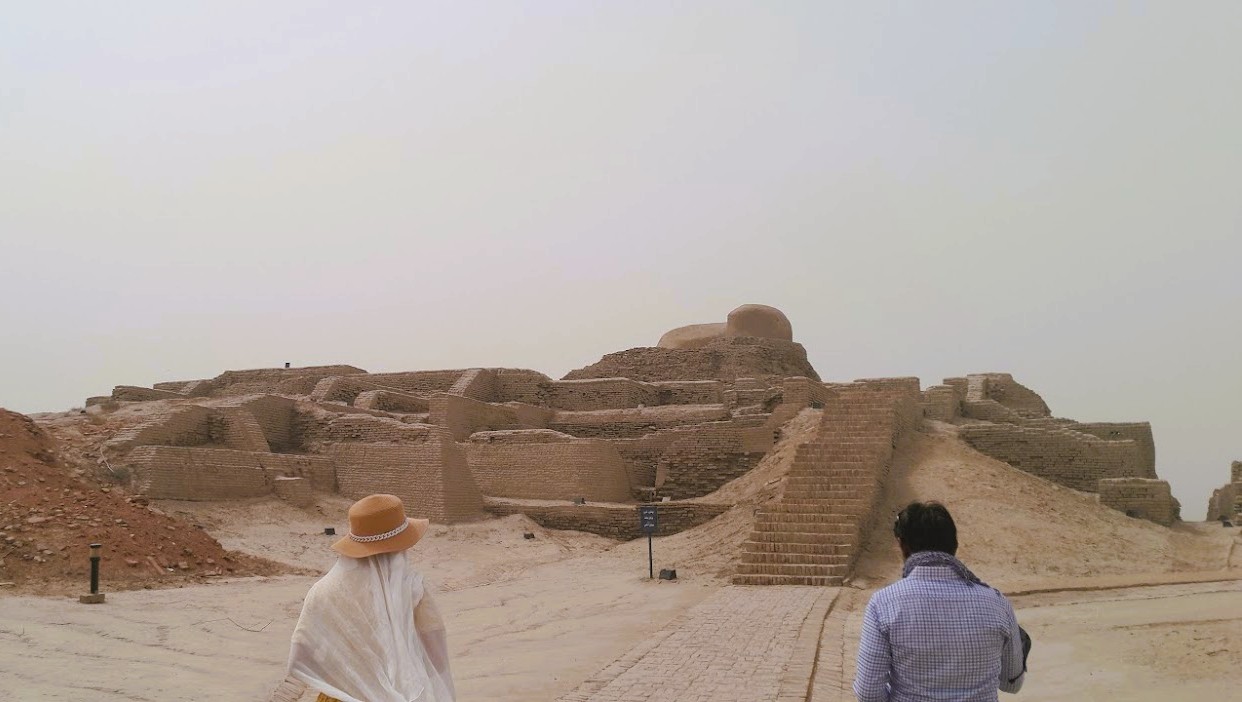
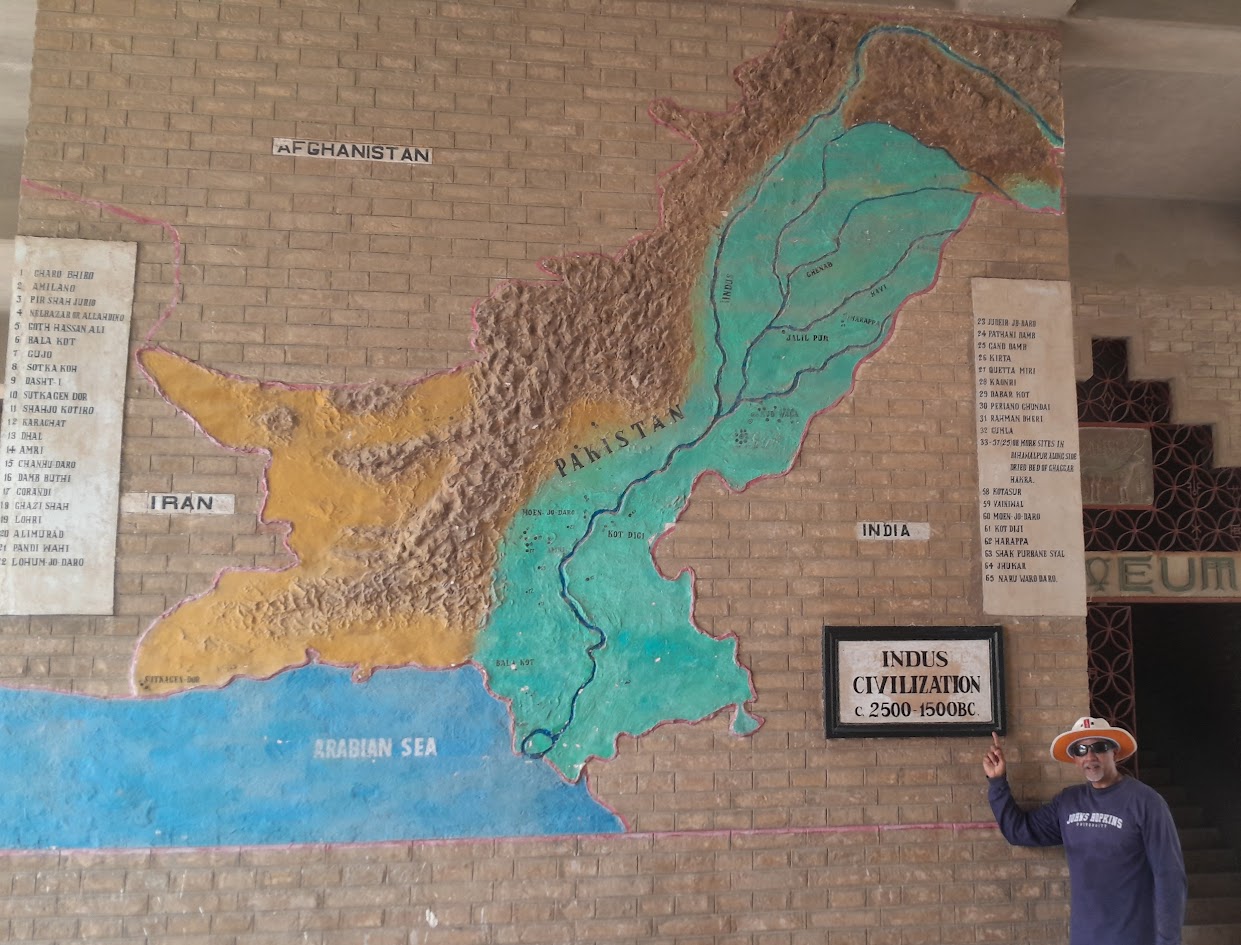
An ancient city that flourished 4500 years ago, part of the Indus Valley Civilization, Mohen jo Daro near the modern day town of Larkana, is one of the earliest large known cities of the world. Prospering for around a millennium the city fell into decay along with the other major centers of the Indus Valley. First uncovered in the early 20th century excavation work has continued to present day and it has been estimated that only 15 to 20% of the city have been uncovered. I visited this UNESCO world heritage site in the summer of 2025. At the entrance to the site is copy of the statue of the priest king discovered here along with some information about the site itself.
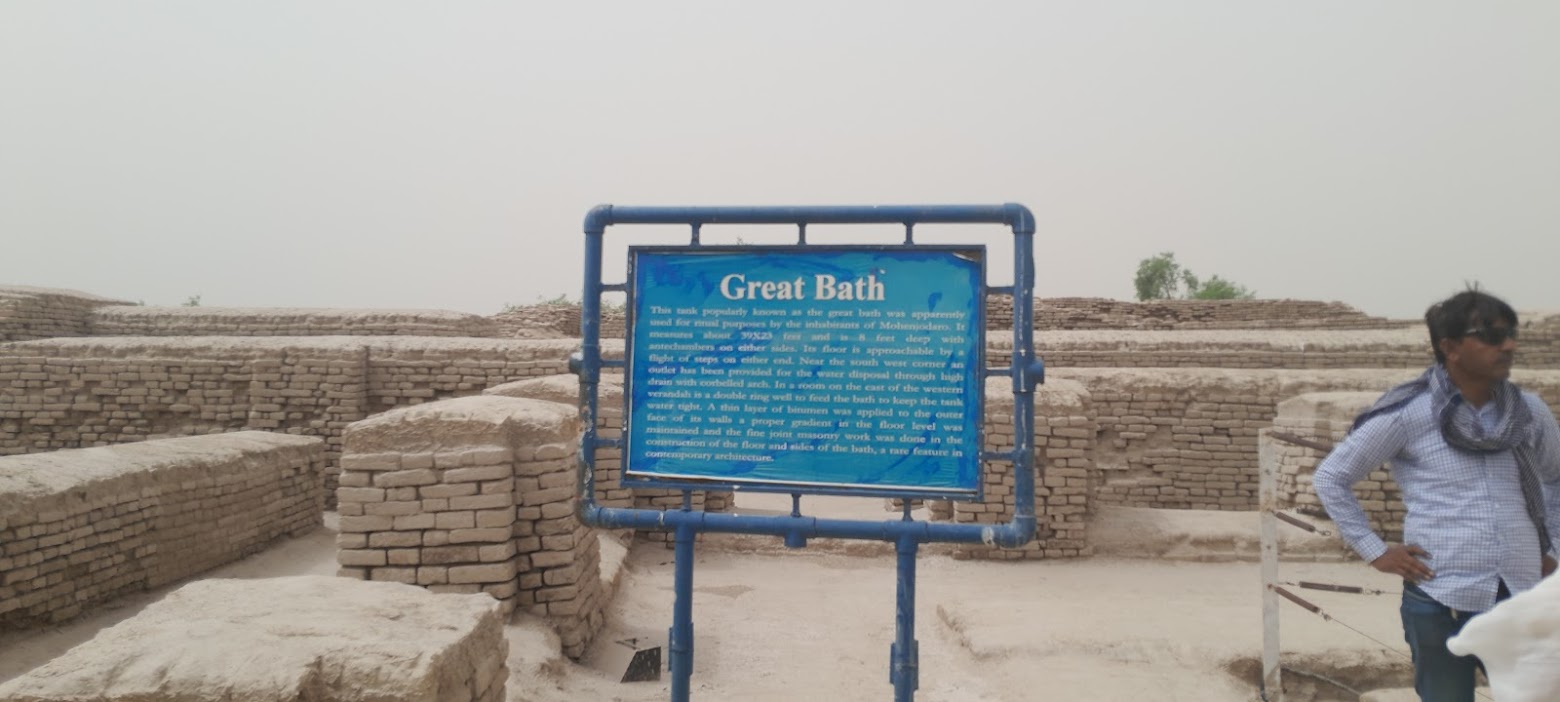
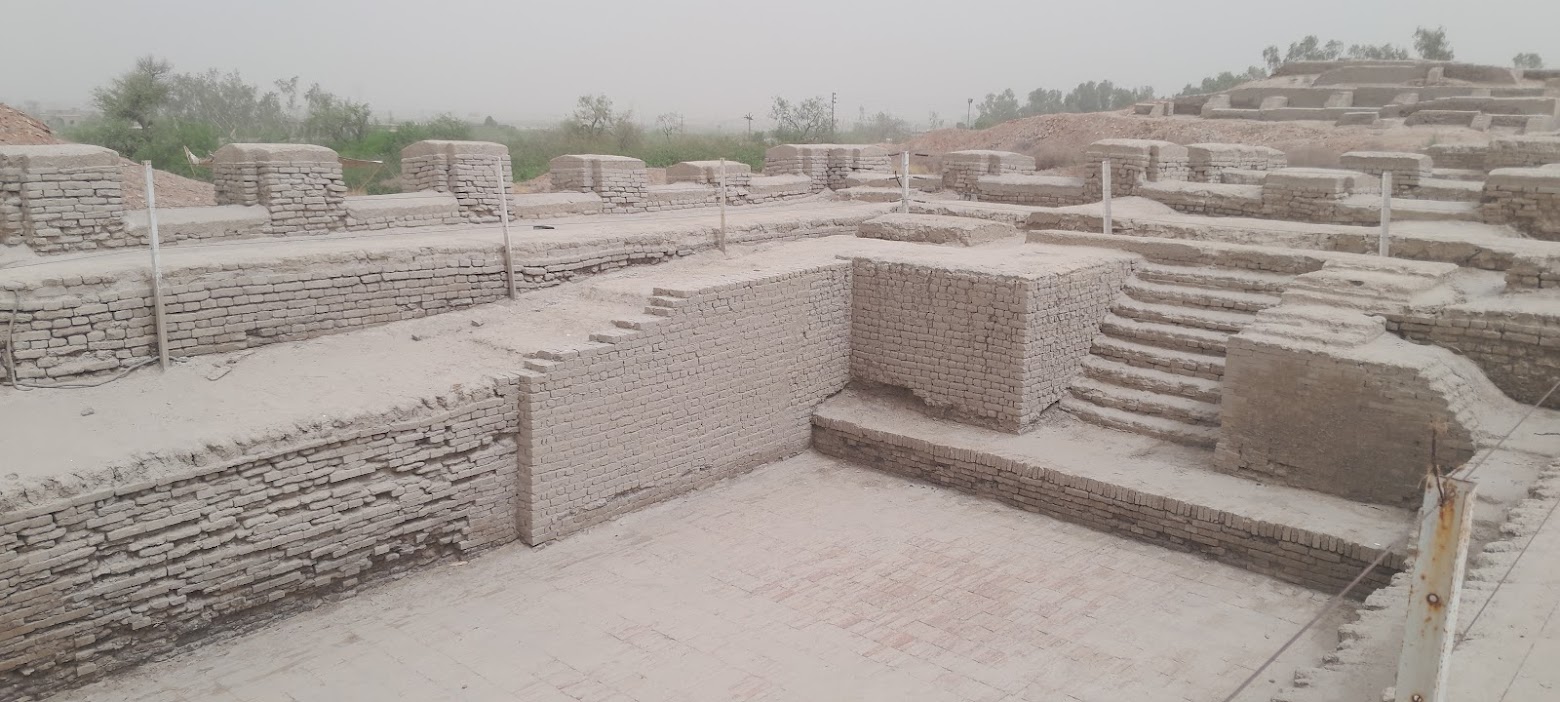
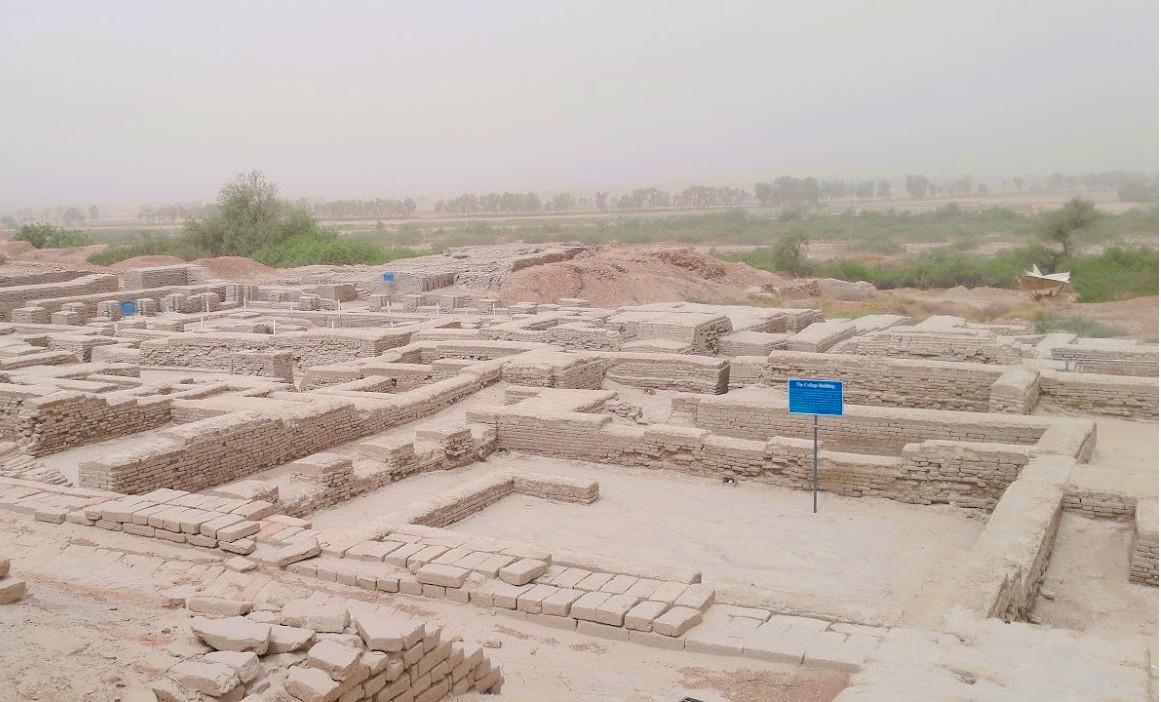
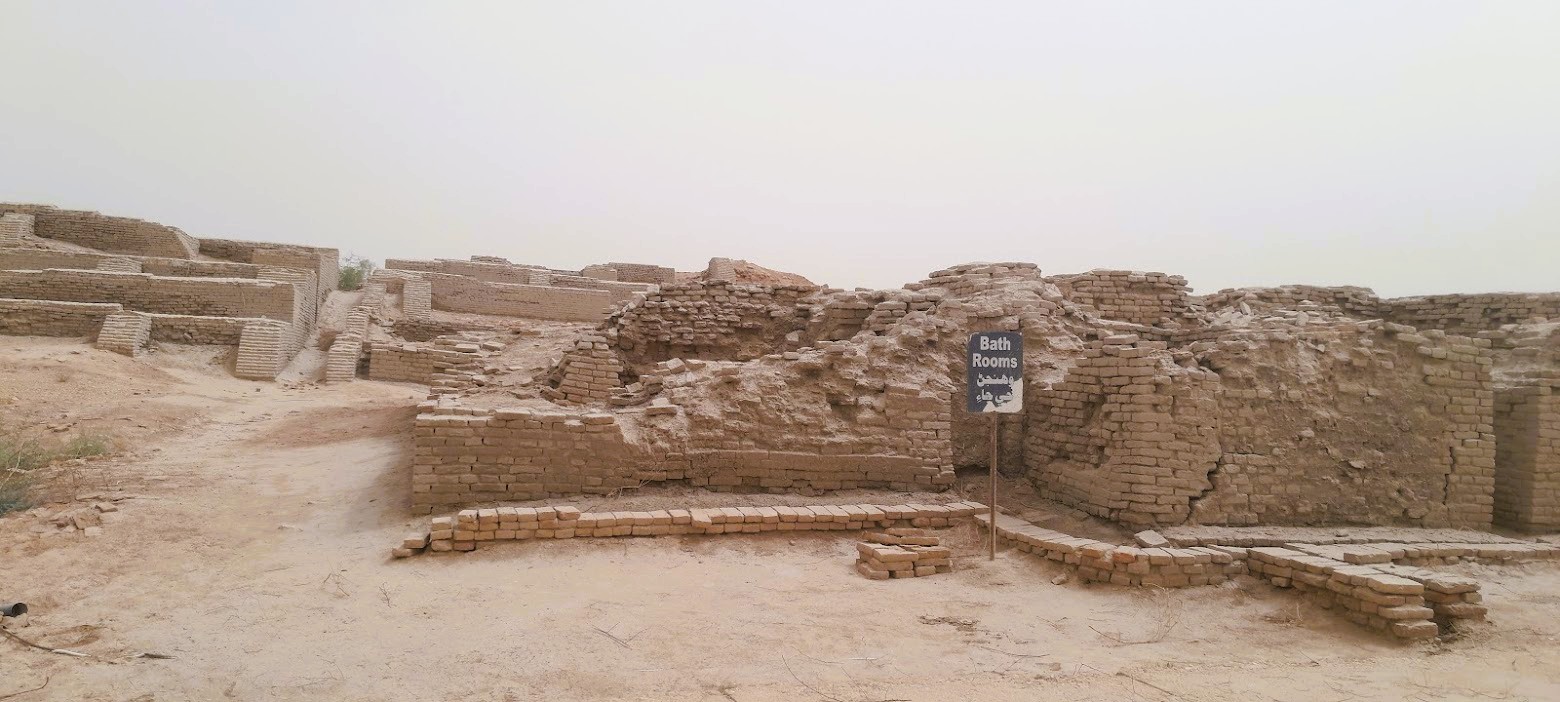

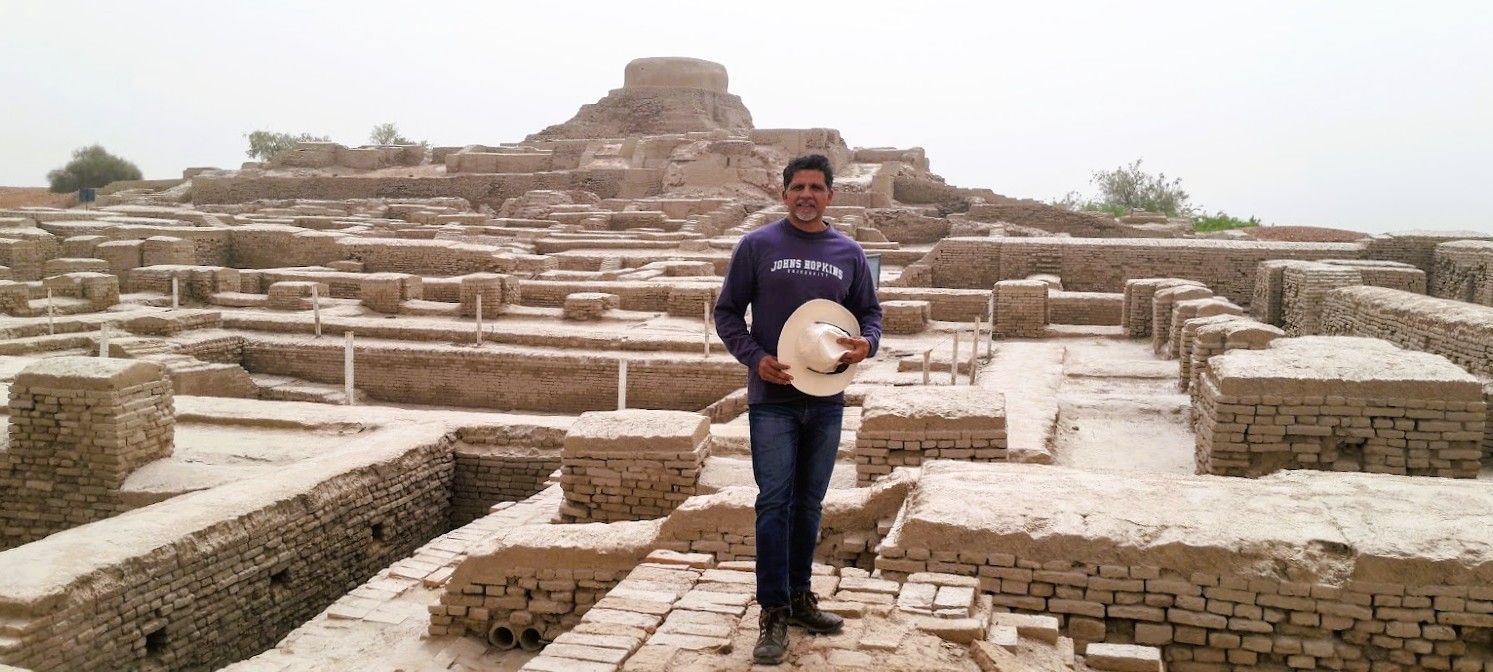
The part of the city discovered so far consists of five distinct areas, these include the administrative buildings, soldiers housing, workers housing, a central market place and residences of the city elites. I was lucky to be able to connect with an exceptional tour guide, Irshad Solangi, who hails from a nearby village and is an excellent source of information on the Indus Valley archeological sites. Our tour started with the administrative buildings, the first structure one sees is a huge stupa atop the area. This dates from a much later period than the heyday of the city and is perhaps part of a Buddhist monastery. An amazing feature of the city is it very elaborate and somewhat modern plumbing system, with running water, which was channeled form the then nearby river Indus, and a sewer system with smaller sewage channels connected to a main drainage ditch. There is a public bath now called the great bath, a granary and many smaller structures including a dormitory which is thought to have been a residence for priests.
The soldiers quarters comprise of halls that perhaps served as dormitories and other rooms of whose purpose has been lost to time. The commoners housing area boasted well planned houses, with a functional water and sewage system and several community wells. The famous ‘dancing girl‘ figurine was discovered in this area. Irshad our guide informed us that the particular dressing specially the bangles on the arms of the woman in the statue, are very similar in style to those of unmarried women in the Thar region of Sindh.
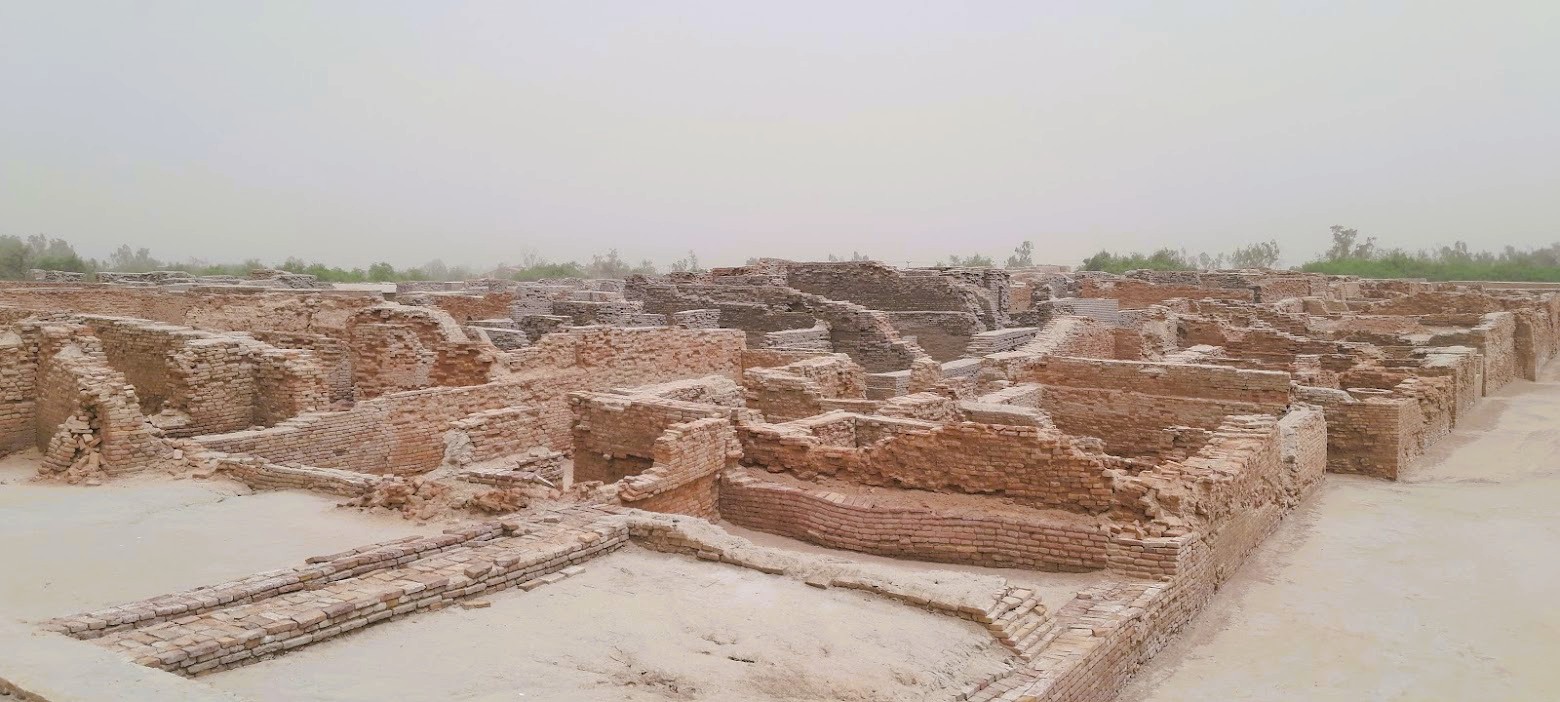
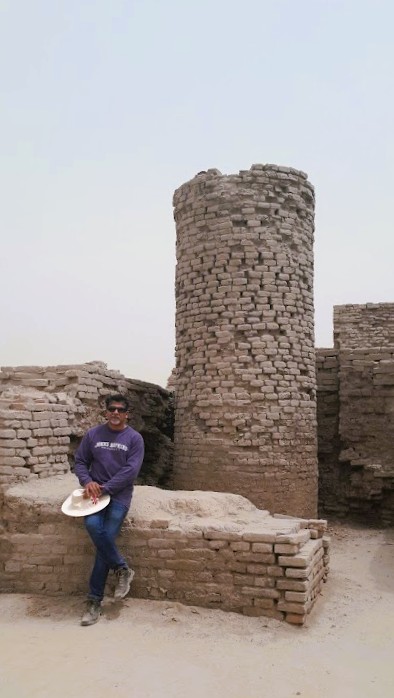
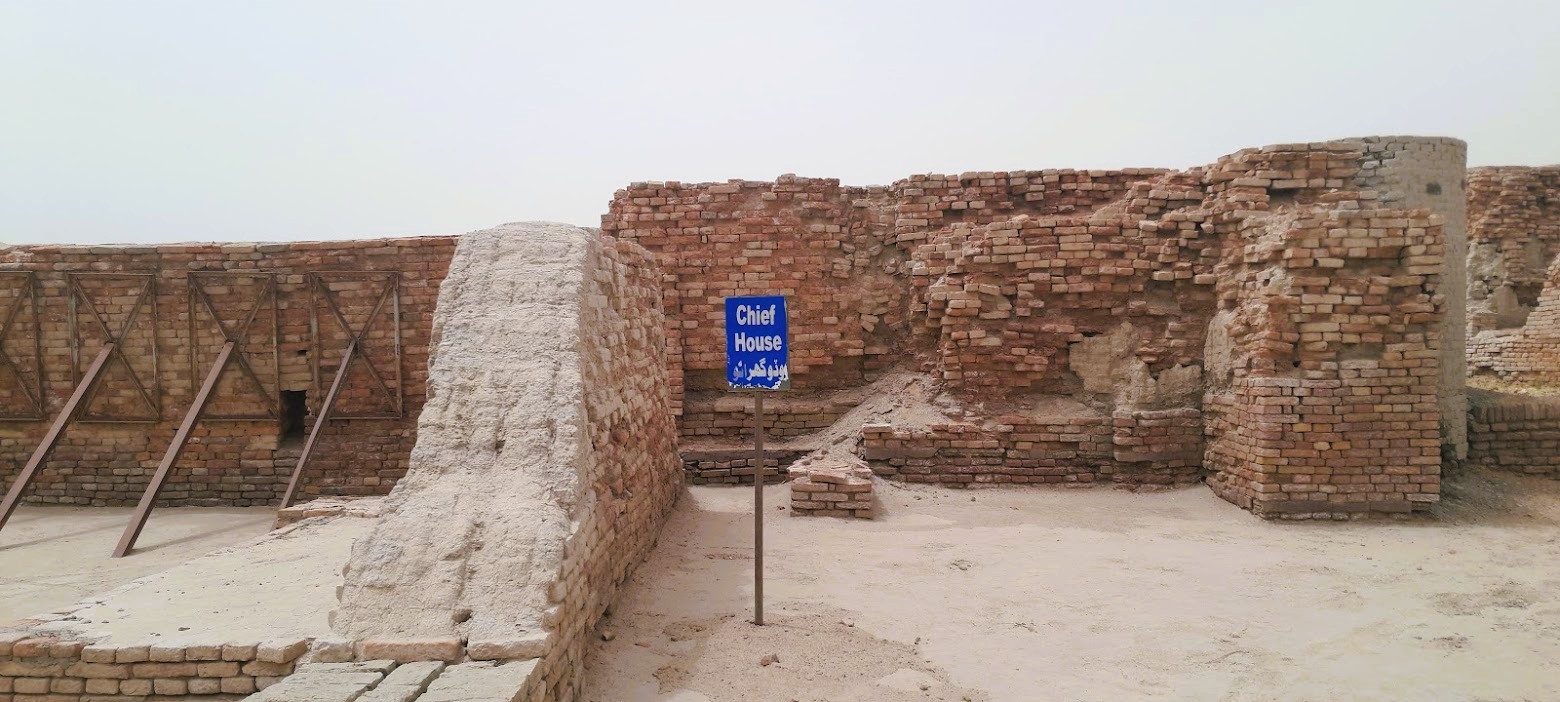
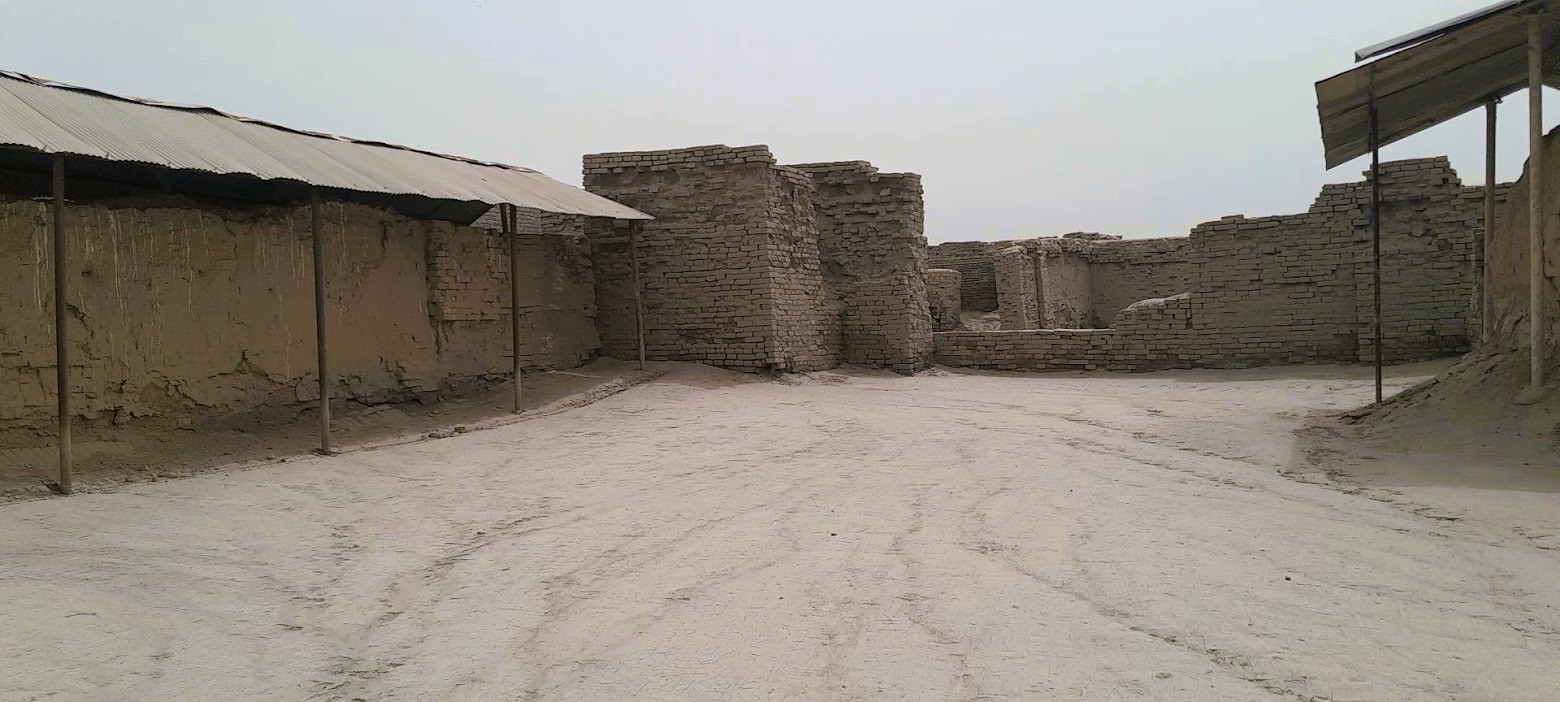
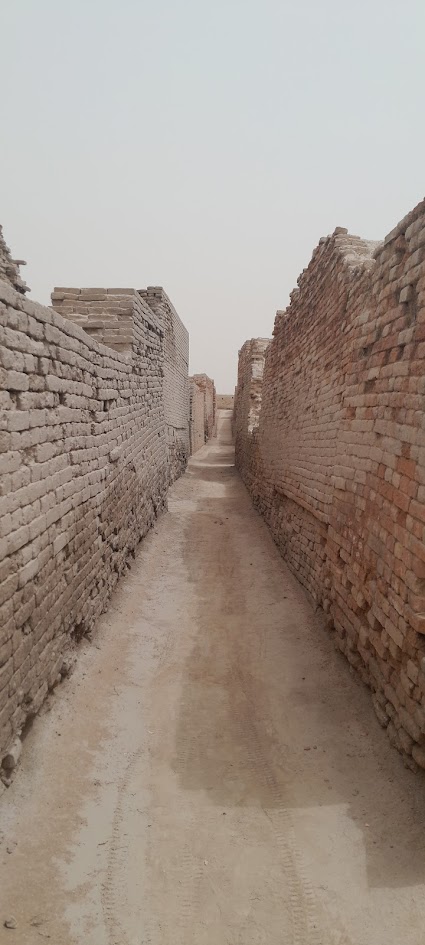
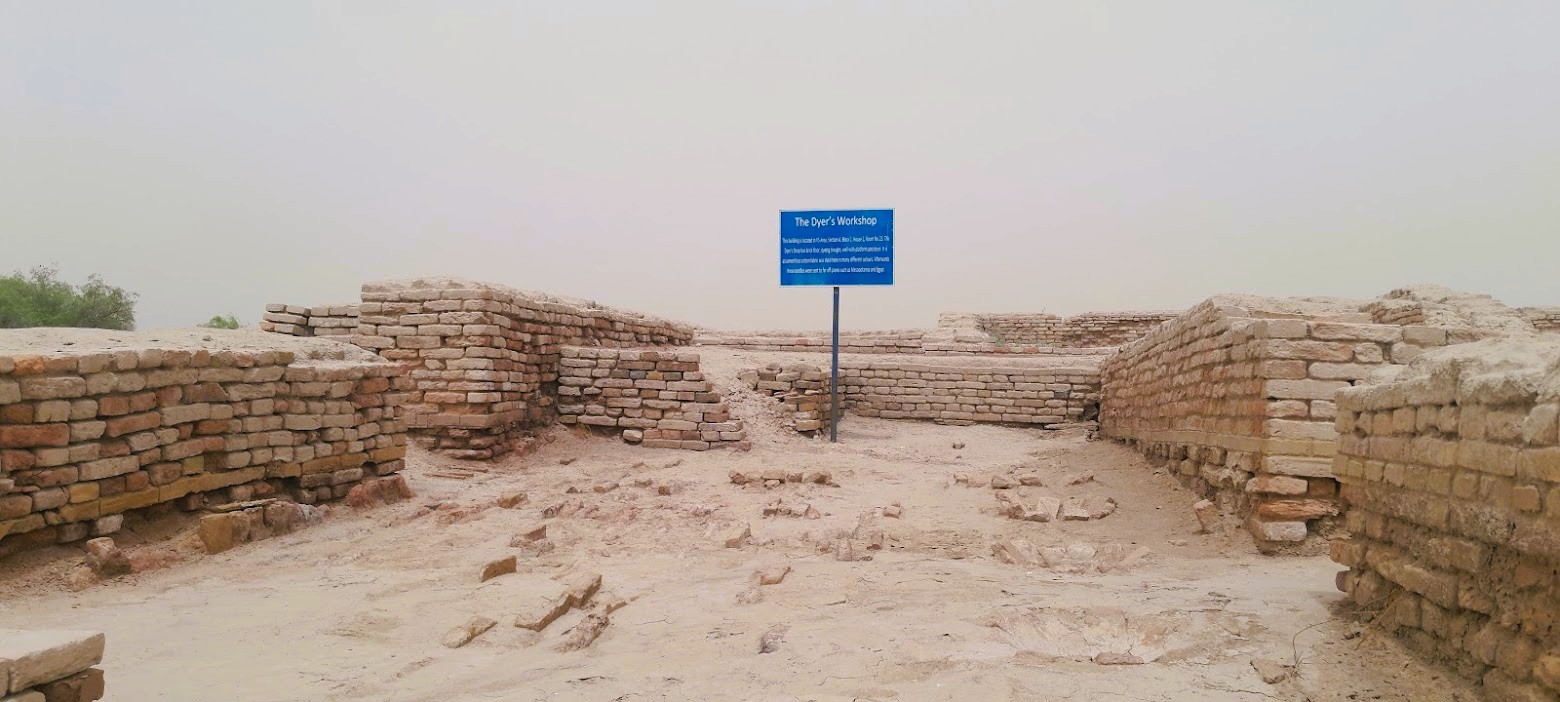
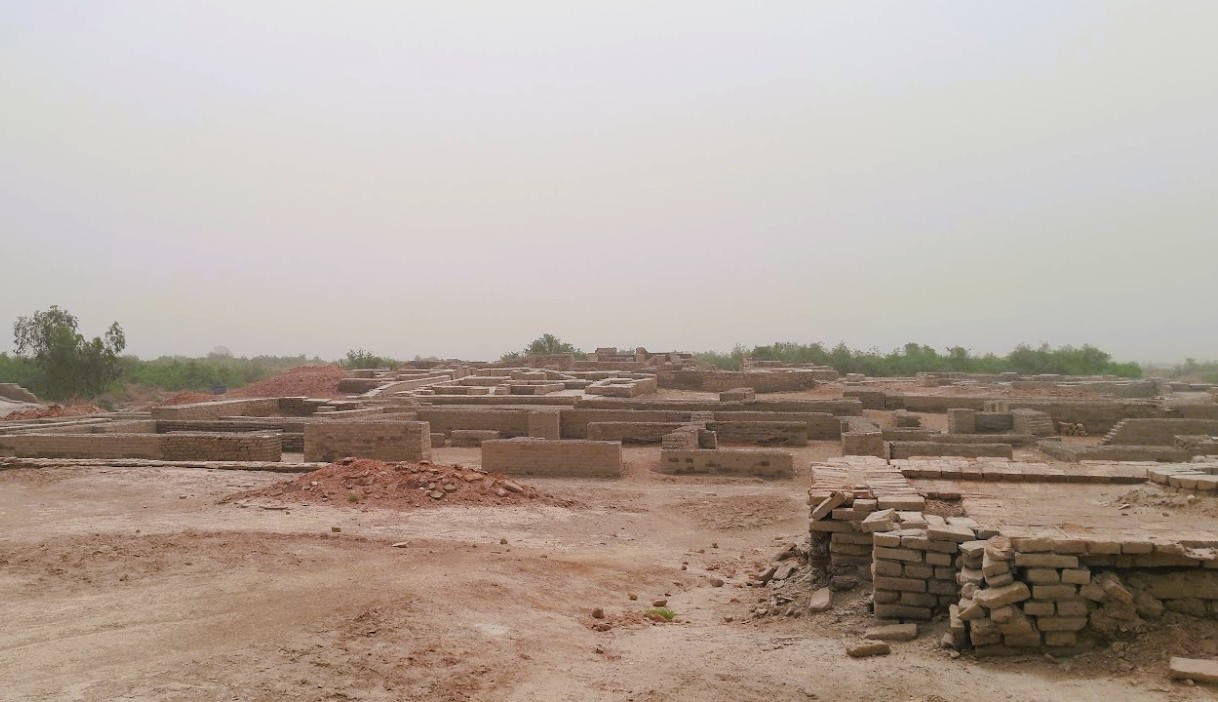
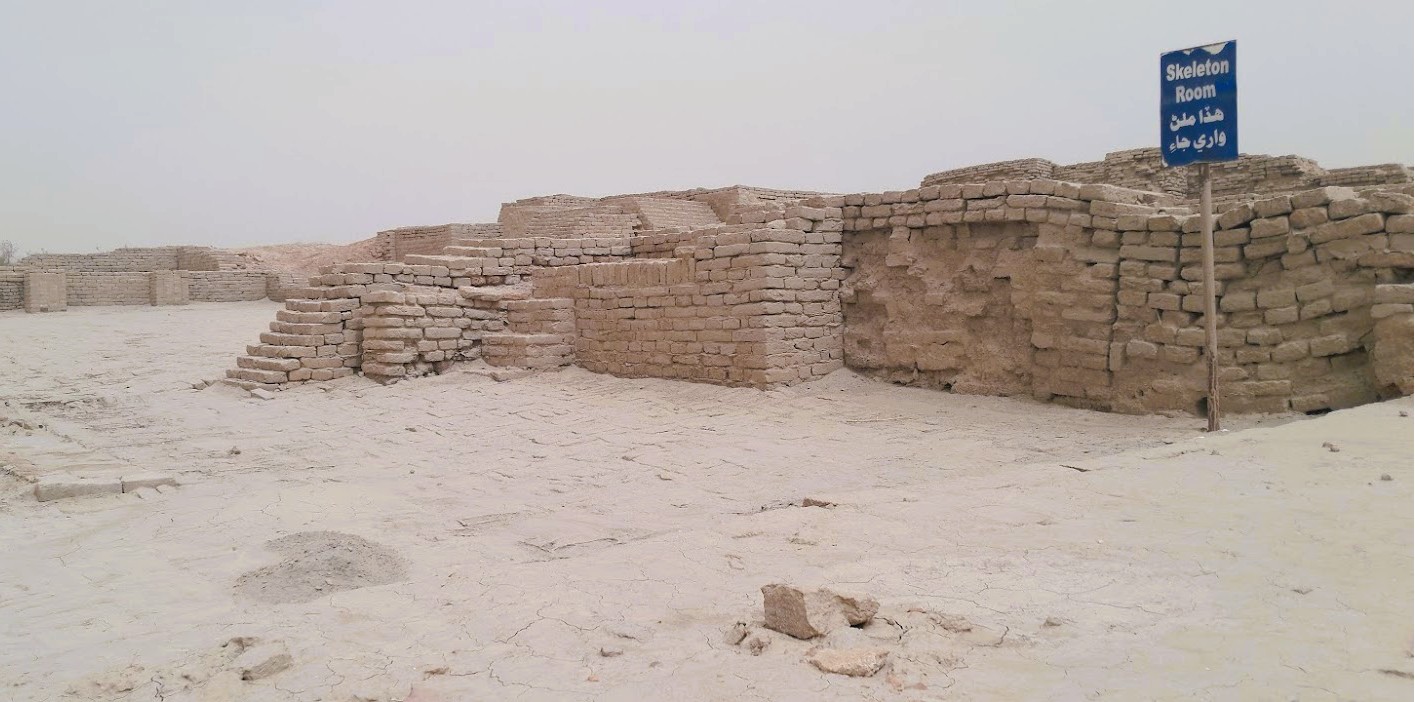
The market place is huge and speaks to the thriving trade that mush have existed between the cities of the Indus Valley Civilization. AN interesting tidbit we learnt was that no figurines of camels have been found here, and it appears that bull carts were the main from of transportation at that time. The elite residential area boast of very elaborate housing with double story wells and indoor plumbing of sorts, the sewage ditches here used to be covered up. So of the stucco pipes are still visible. there is a large assembly area, with a double wall, the inner one was perhaps soaked with water to provide cooling. This part of the city is also situated such that the wind is guided to the area proving a natural cooling effect.
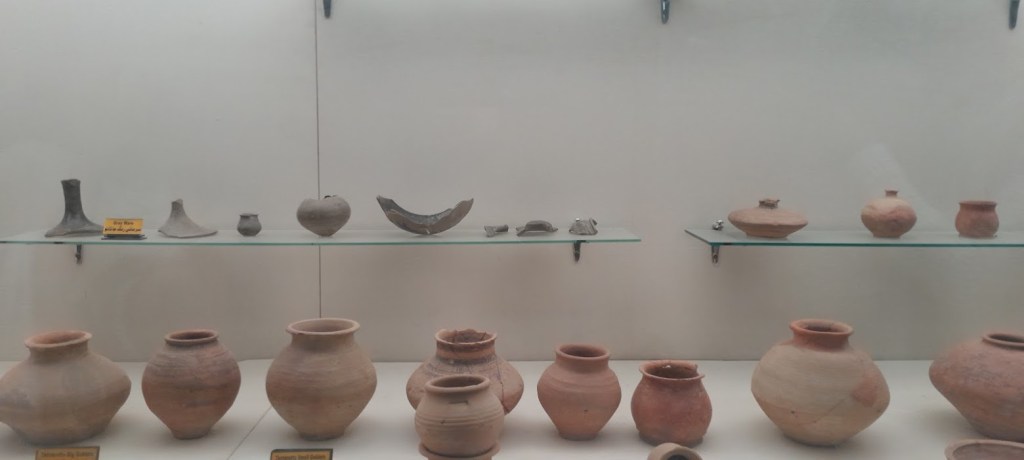
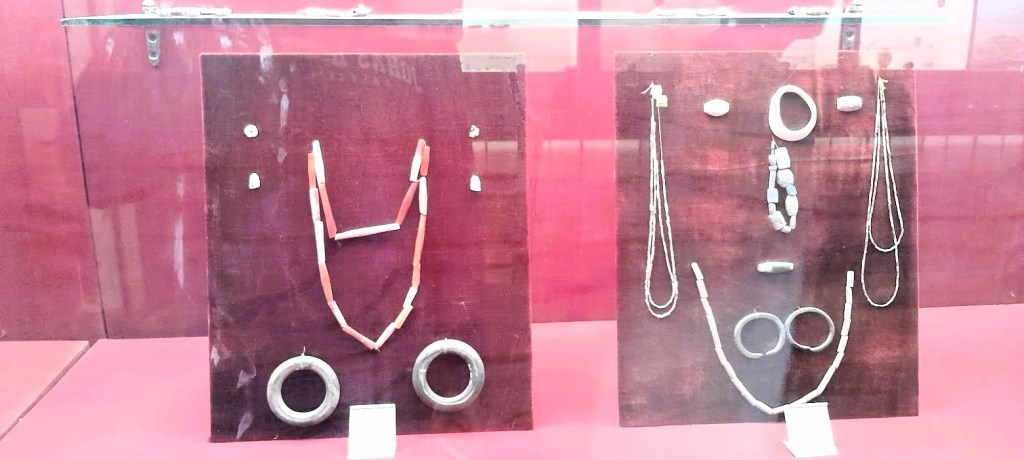
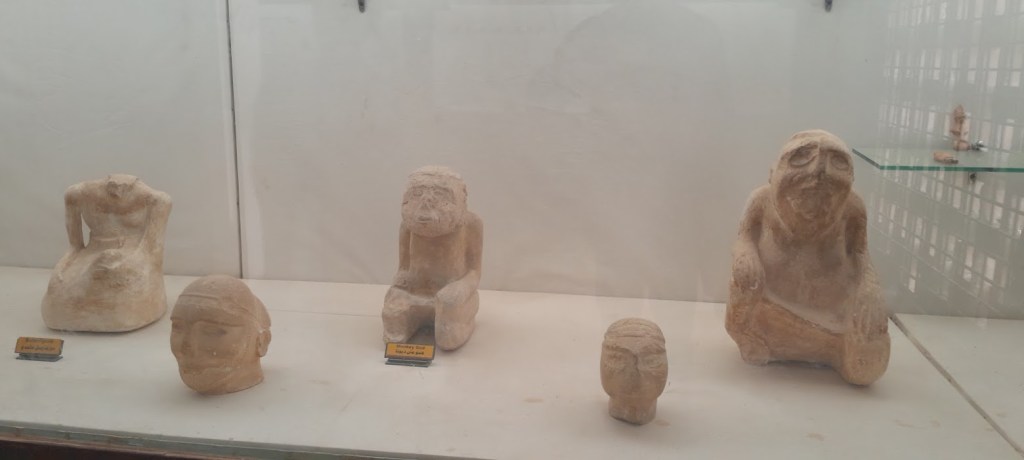
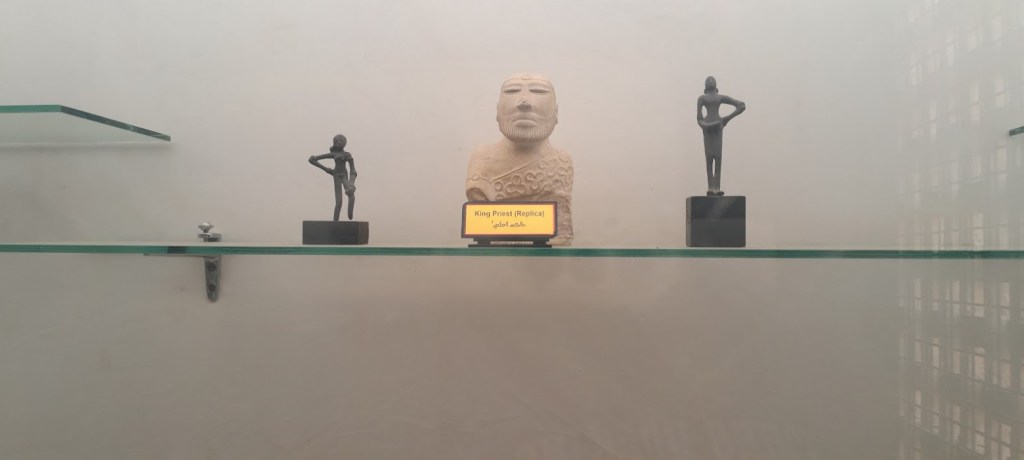
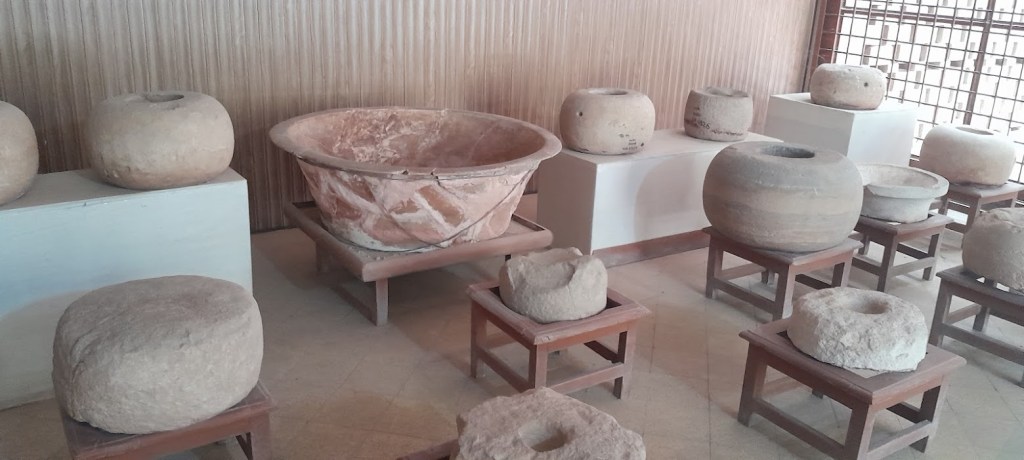
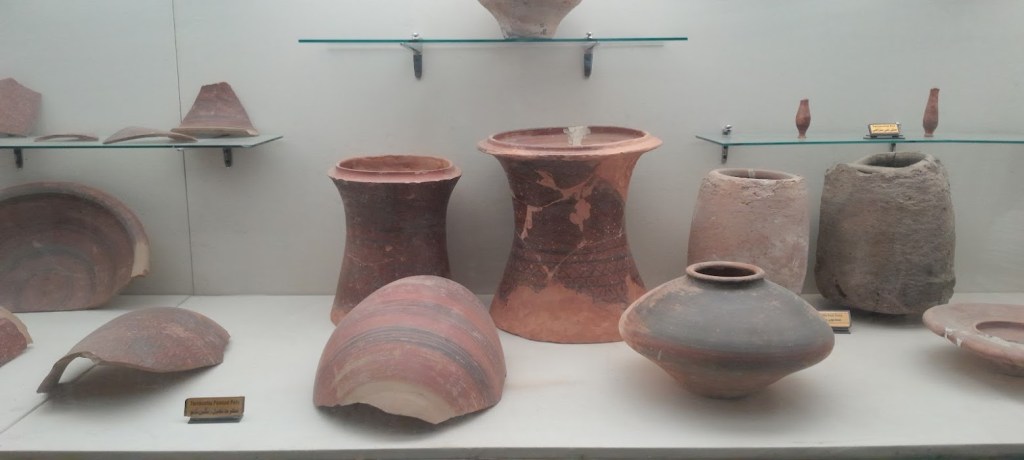
We found many bangles and shards of pottery littered all over the site, these need to be collected and preserved for future generations. The associated museum is decent enough, but it turns out that many of the artifacts form here are now displayed at the Karachi museum, these I believe should be returned and exhibited at the site museum itself.
I visited the place in high summer with the temperature hitting 50C, but I still loved the 3 hour tour. The optimal time to visit is between September and March and I will be back soon hopefully!

 The Open Roads