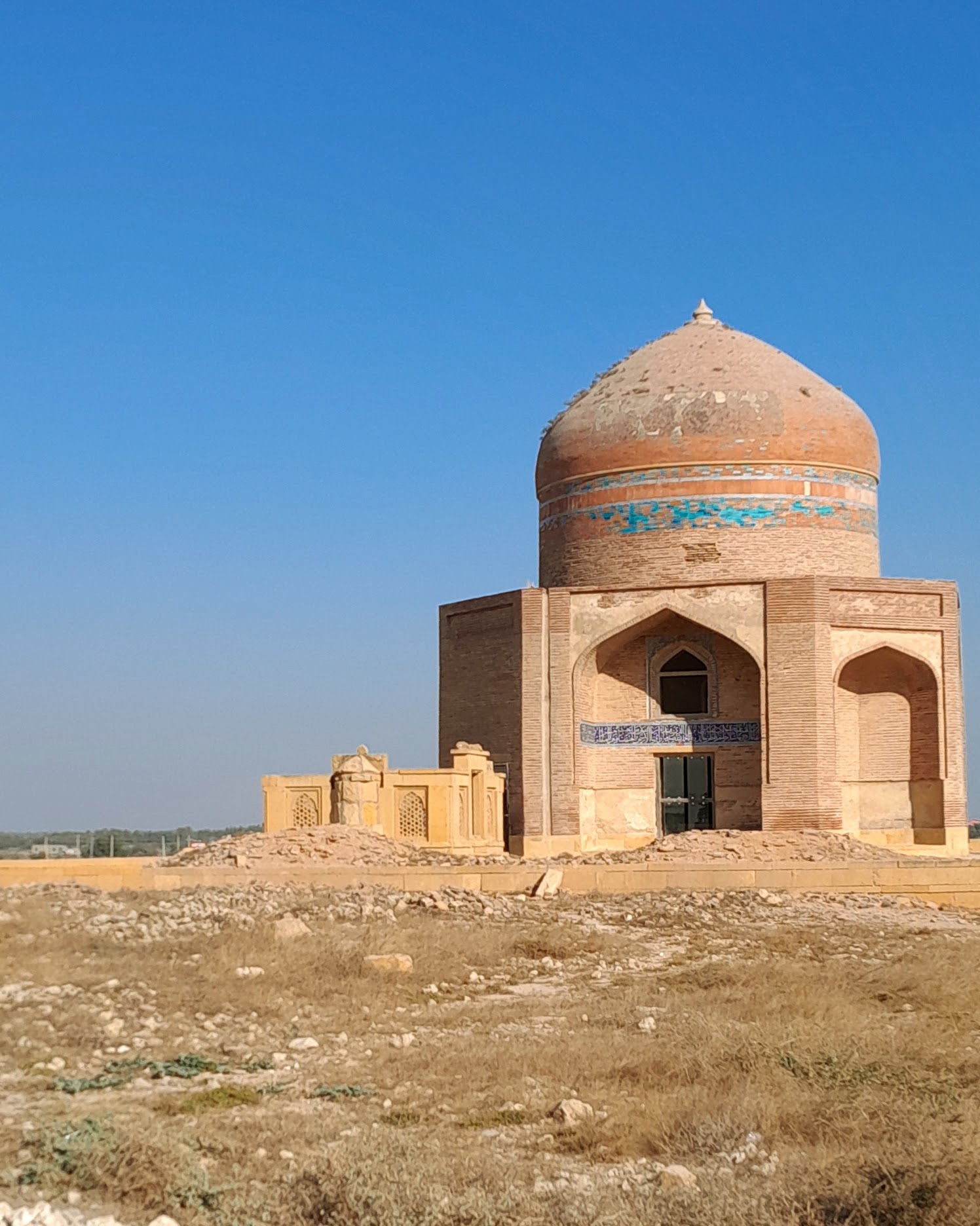
One of the largest burial sites in the world, the Necropolis of Makil is located near the city of Thatta in the Southern province of Sindh in Pakistan. The earliest tombs date back to 14th century and there is a section that is still used as a burial site by the local community. I had visited Makli as a child and decades later visited the site again. There has been some conservation work done at the site but much more needs to be done to preserve this heritage.
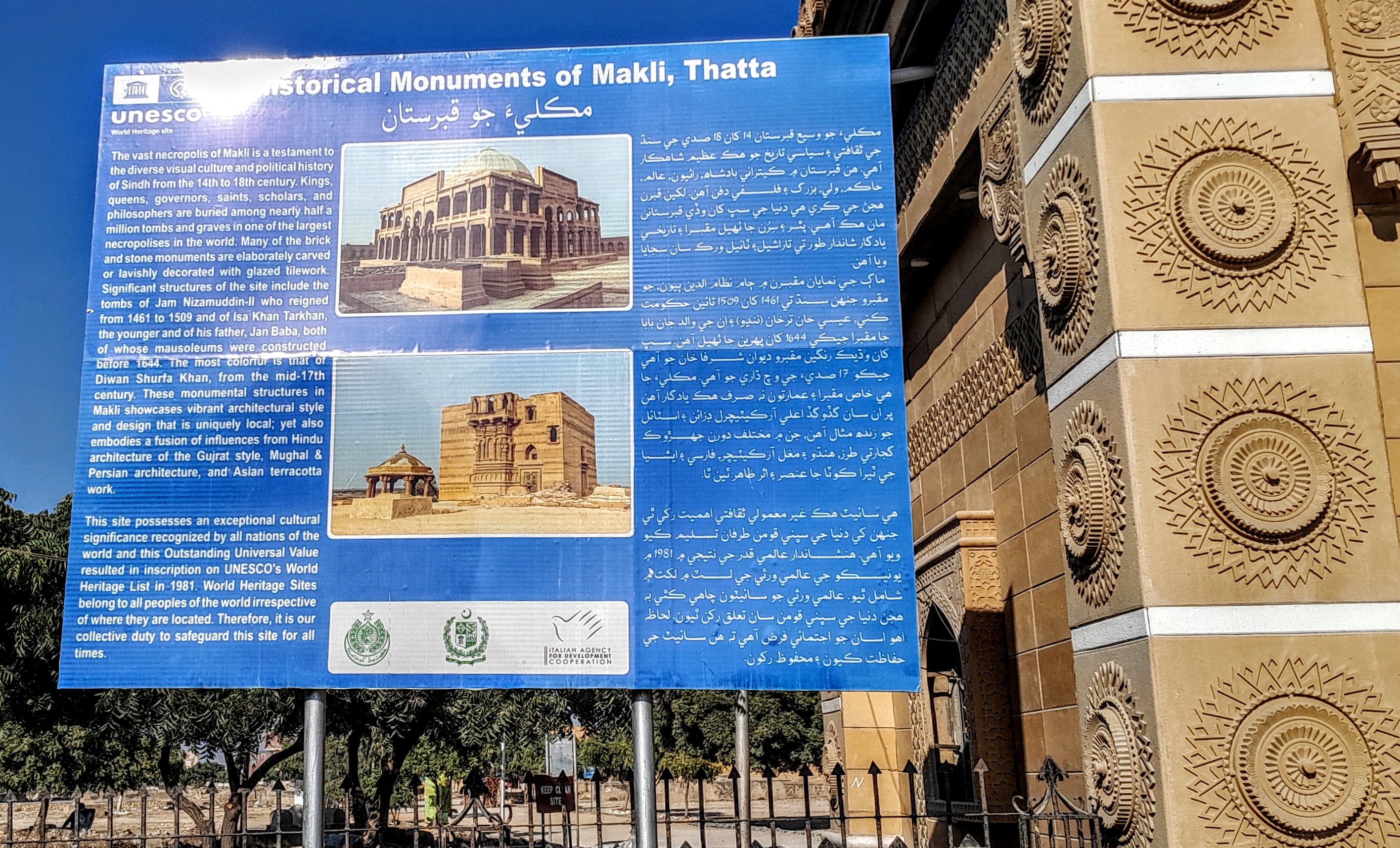
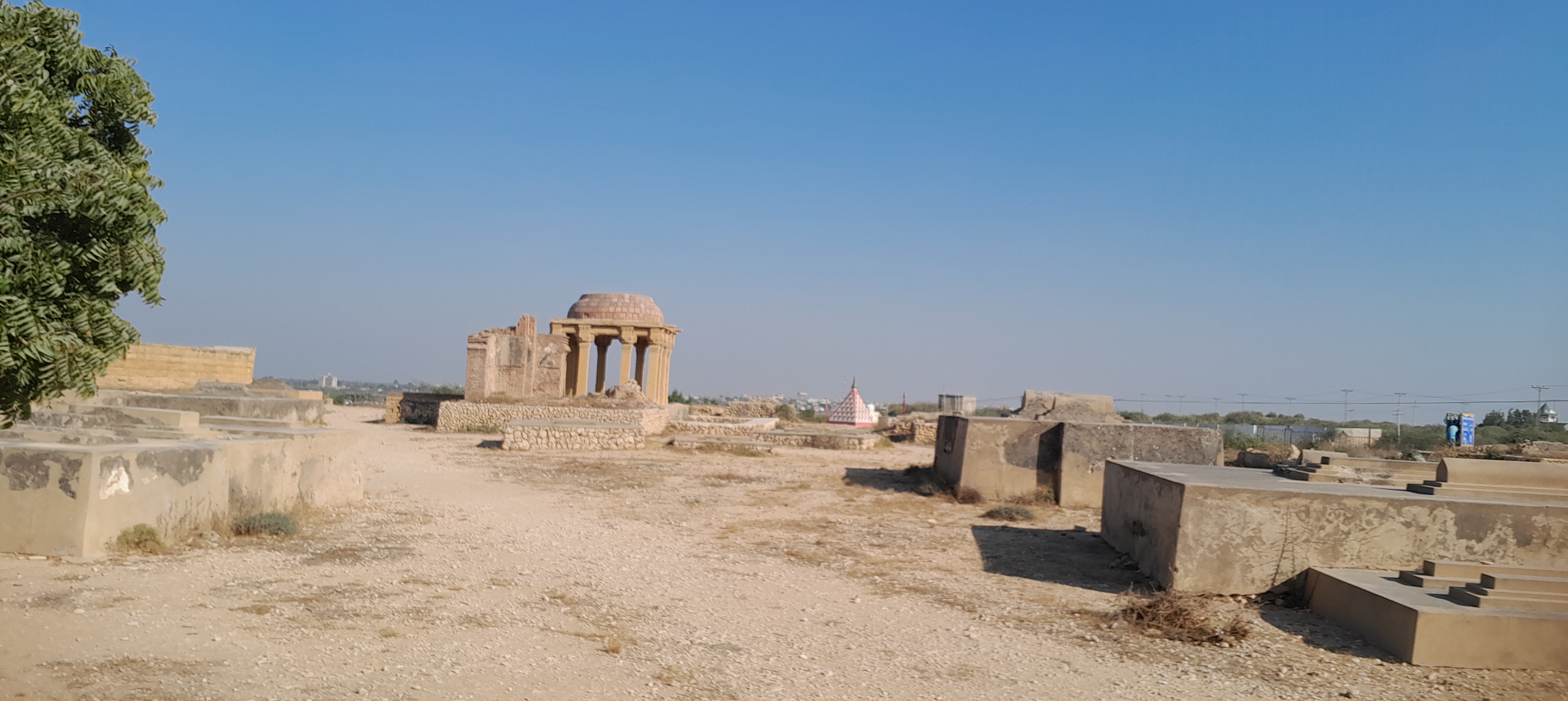
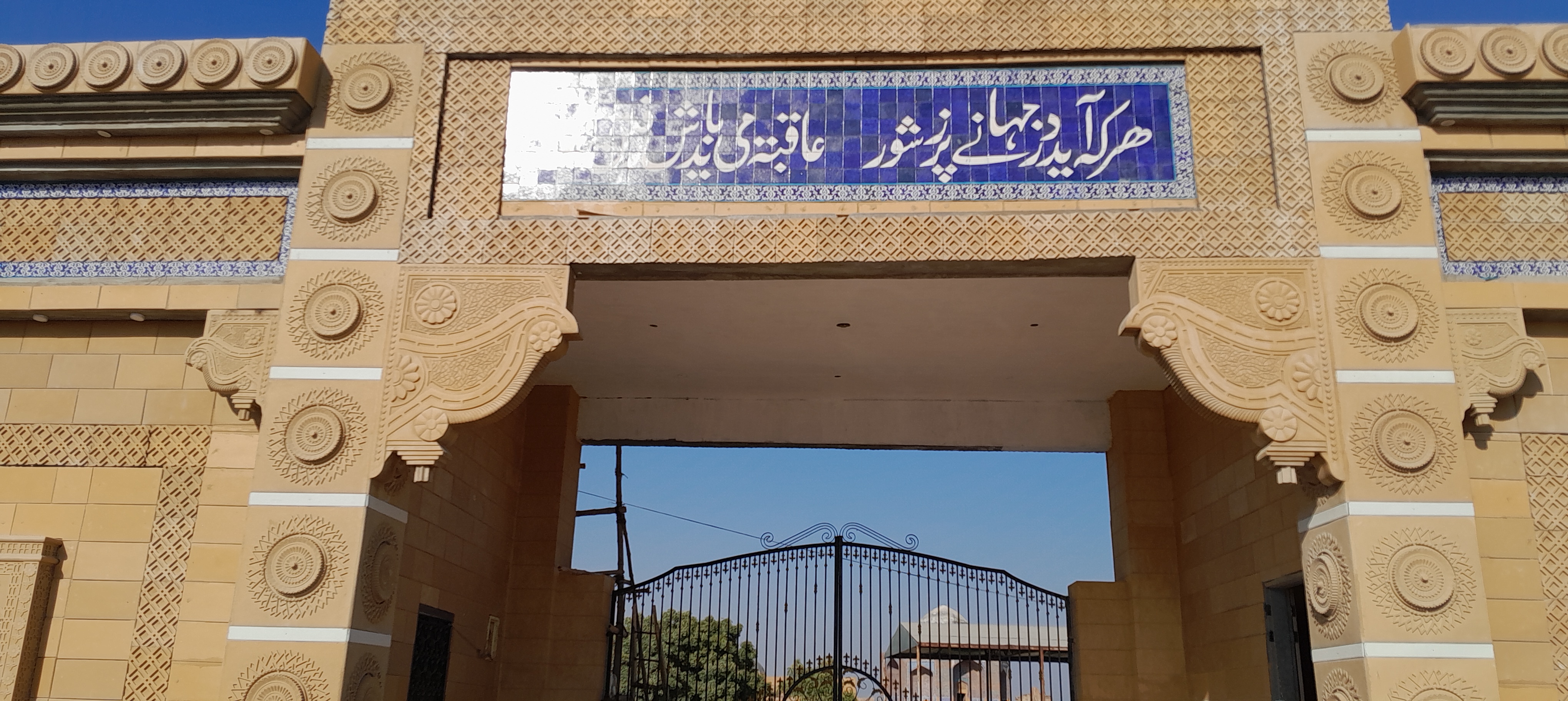
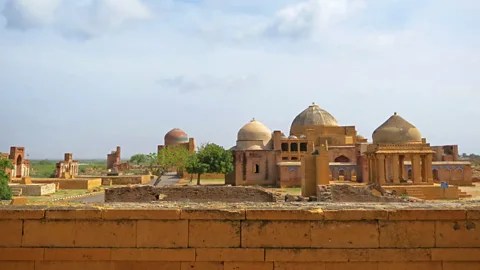
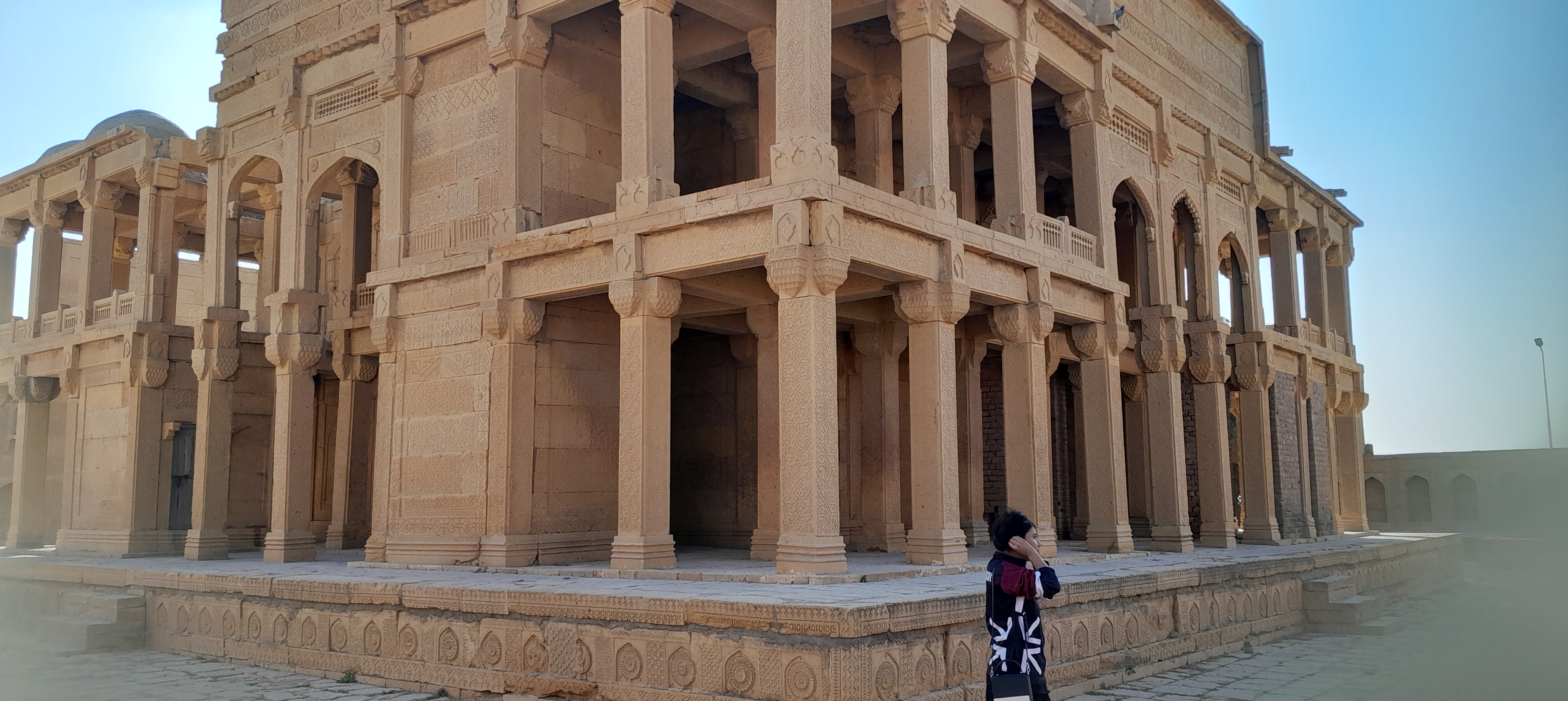
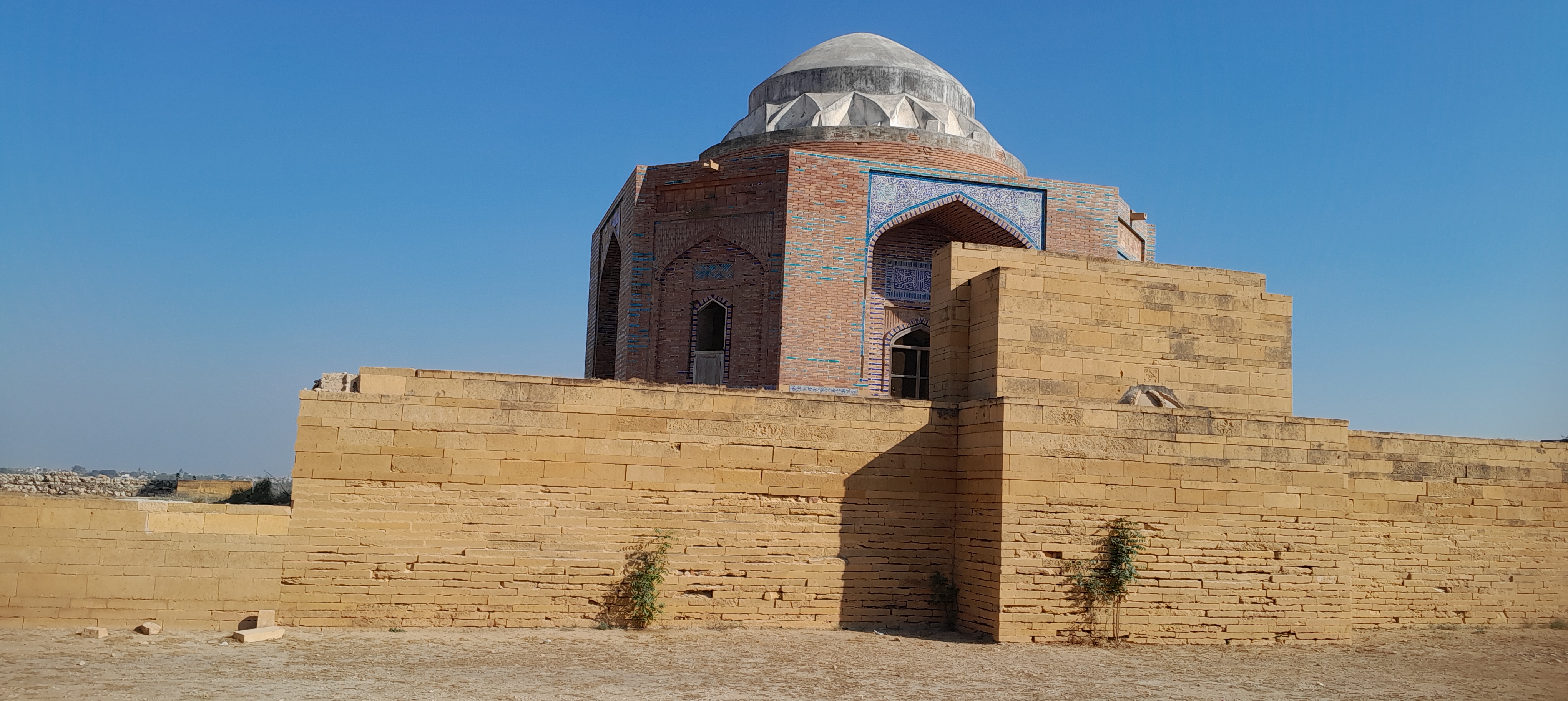
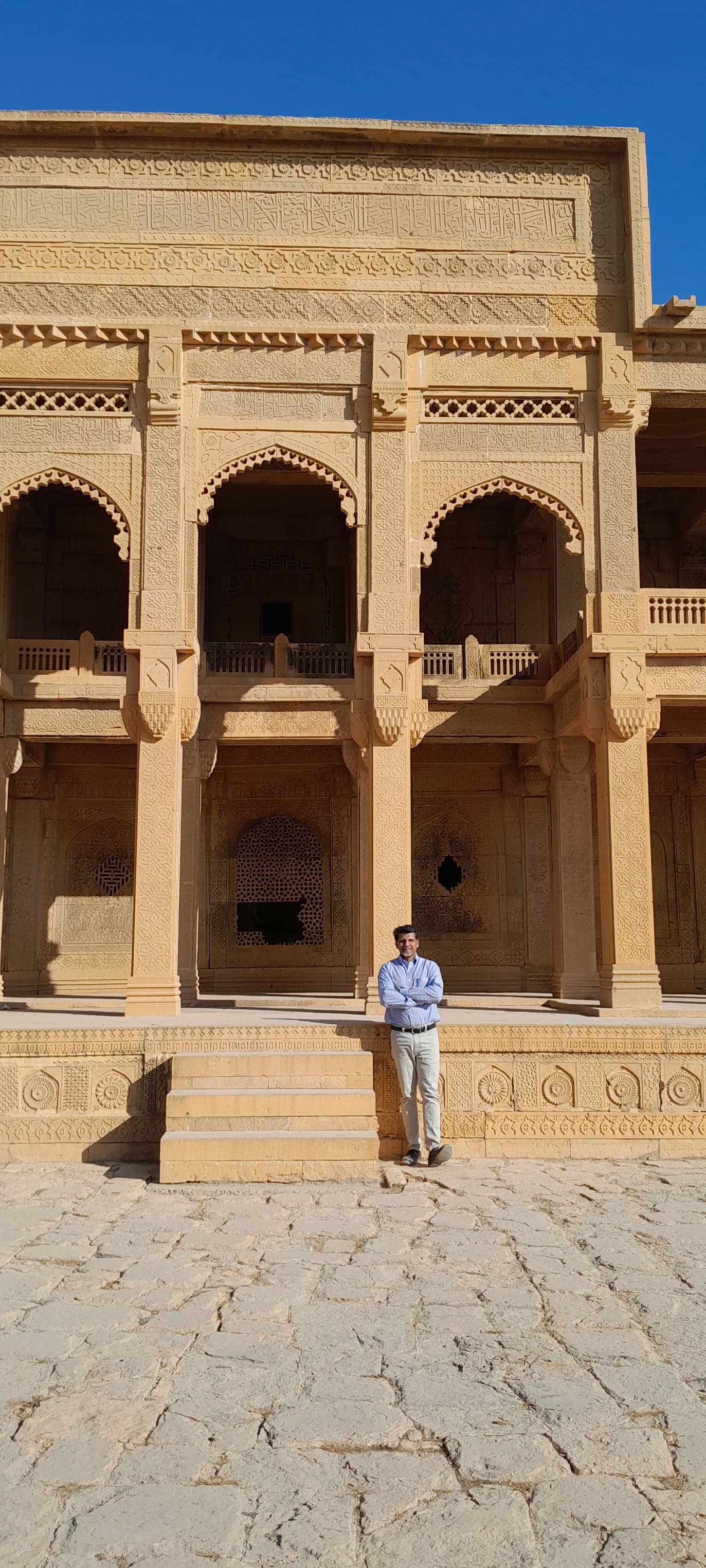
The tombs at Makli can be divided into several distinct historical groups. A sufi saint in the 14th century during the era of the Samma dynasty of Sindh established a ‘khanqah’ (monastery) at the site and was buried here as well. Jam Tamachi the ruler the famed Samma ruler wished to be buried here for the spiritual connection and there are many tombs fomr the Samma era in the necropolis. The Samma era tombs show influences of both Muslim and Hindu architecture of the subcontinent.
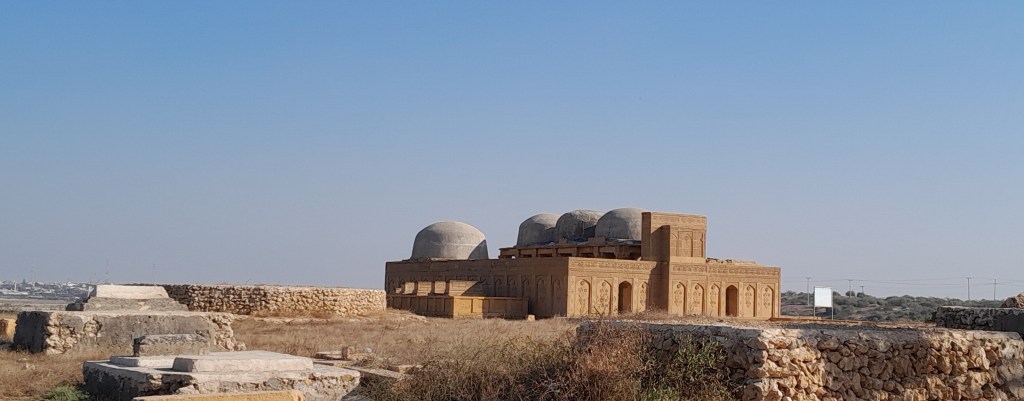
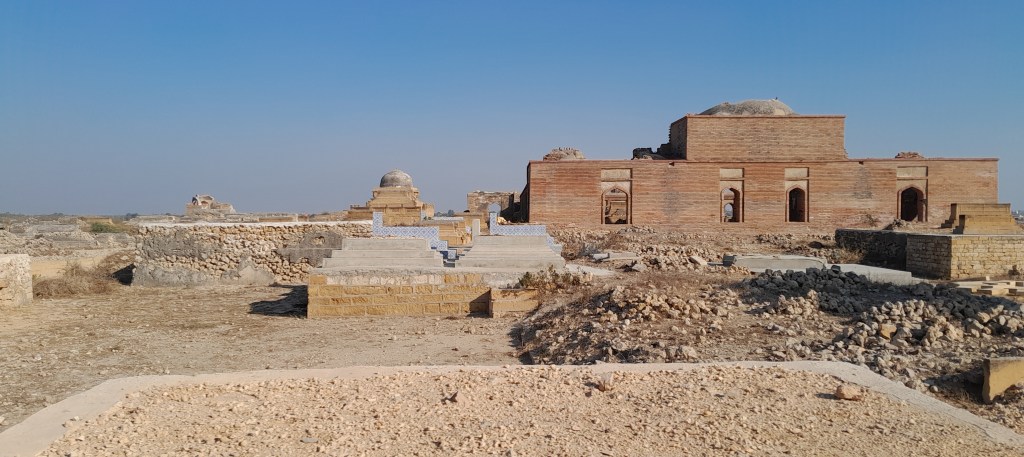
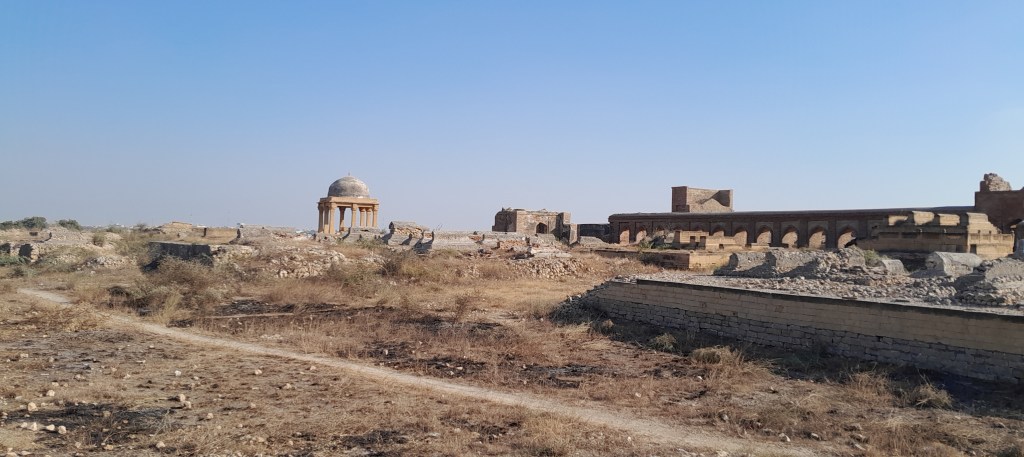
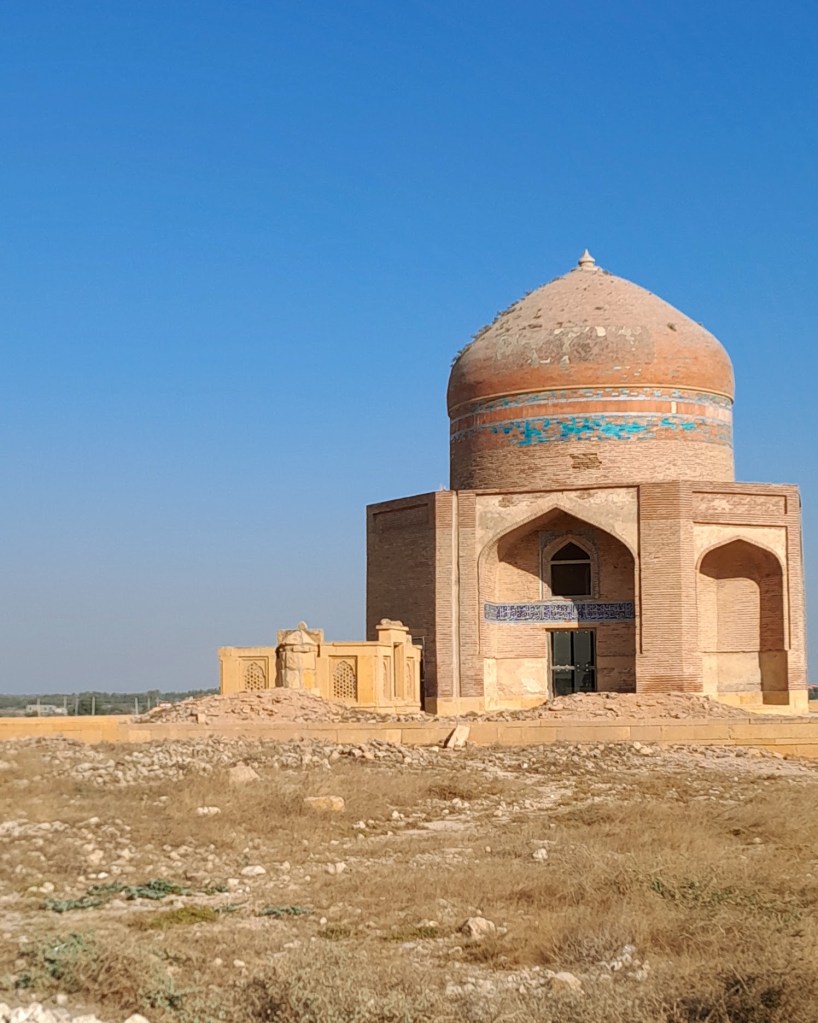
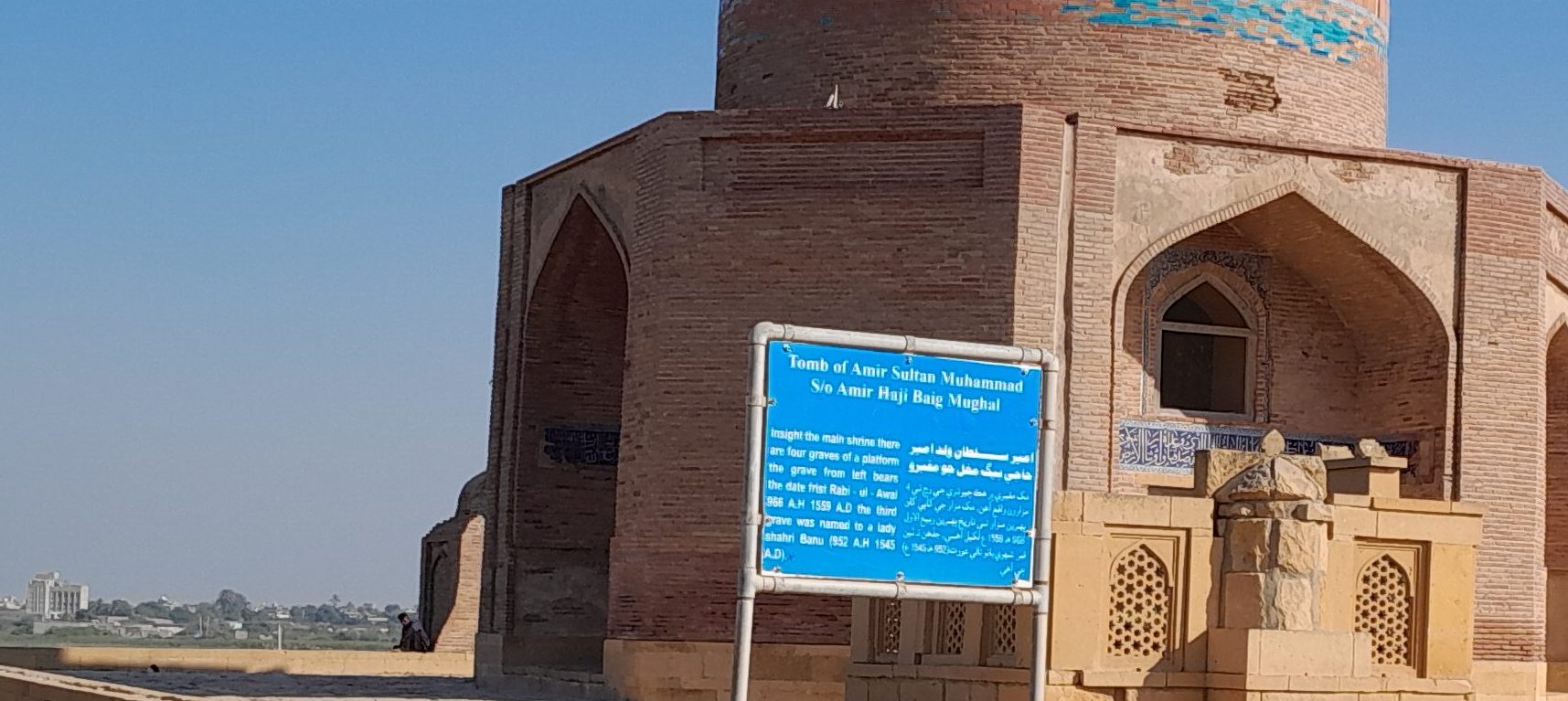
After the Samma dynasty Turkic rulers conquered the area and the Arghun and Tarkhan dynasties ruled here. The tombs form this era show a strong Turkic influence, with domed canopies. Tombs of Isa Khan I, Isa Khan II and Jani Beg are some of the impressive monuments from this time.
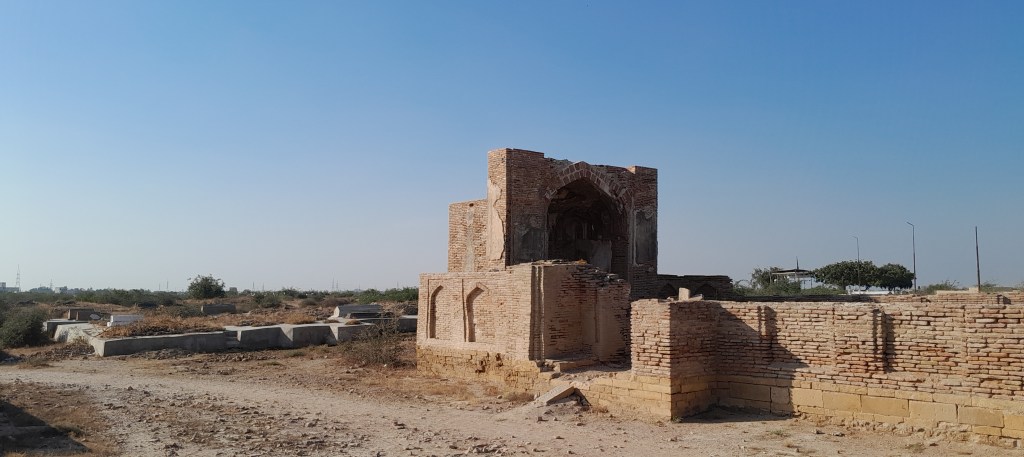
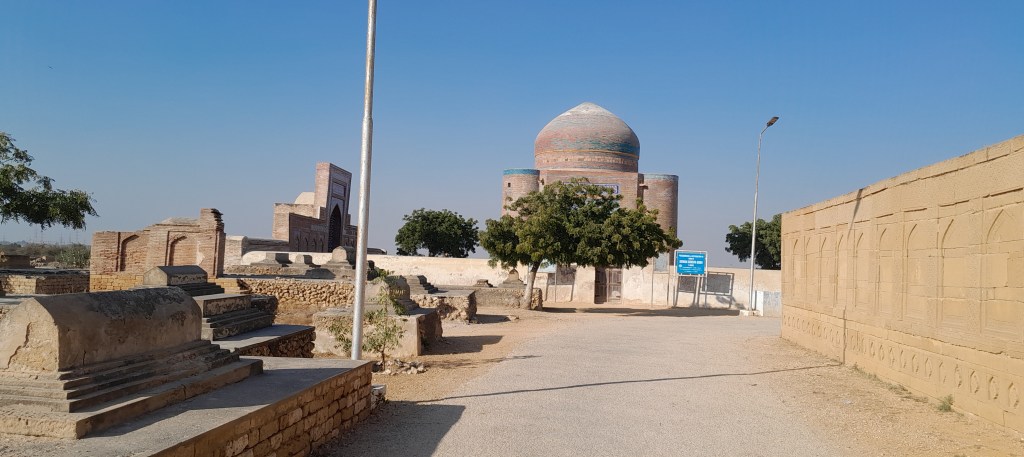
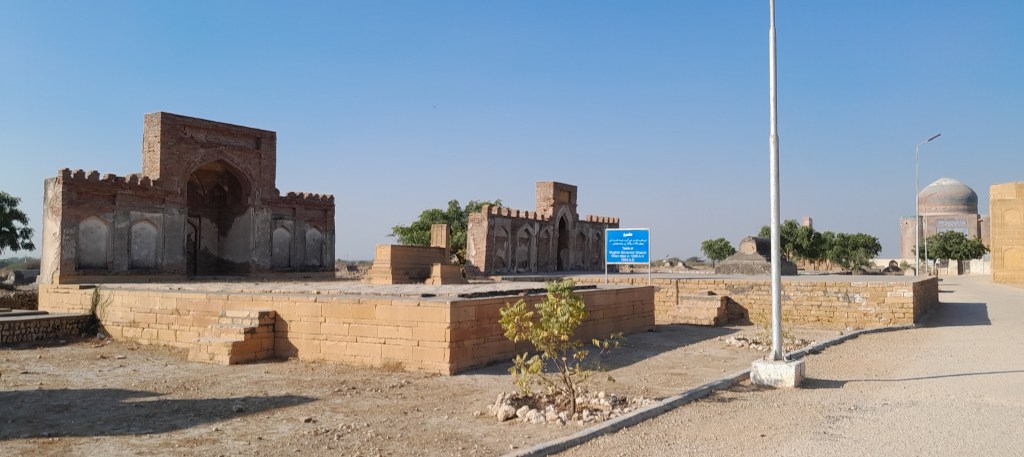
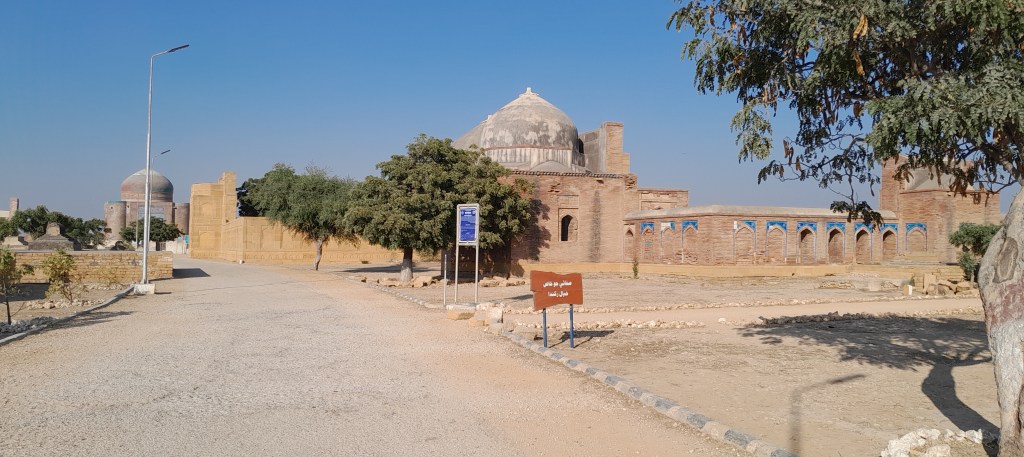
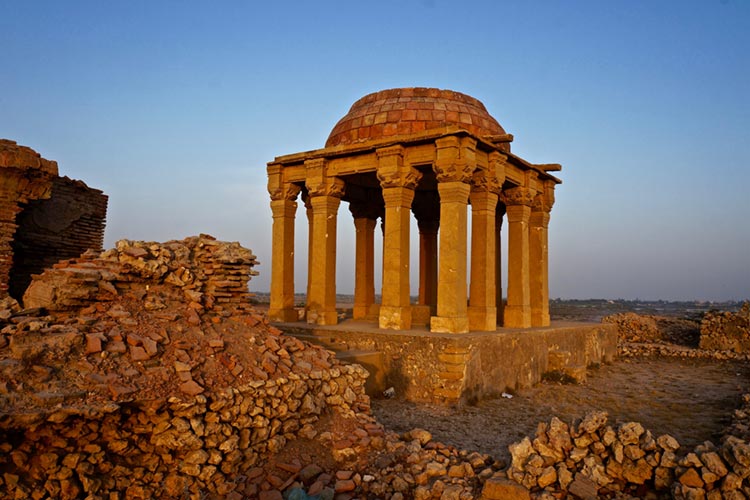
The third and final era of grand tombs at Makli is the Mughal period. Perhaps the most architecturally significant tombs date are from this era as they merge the earlier designs and also are influenced by the Mughal style of building. Representative of these are the tombs of Nawab Shurfa Khan and Mirza Ghazi Beg.
Spread over 10 sq. km Makli truly is a national heritage and more efforts need to be made to preserve the site for future generations.

 The Open Roads