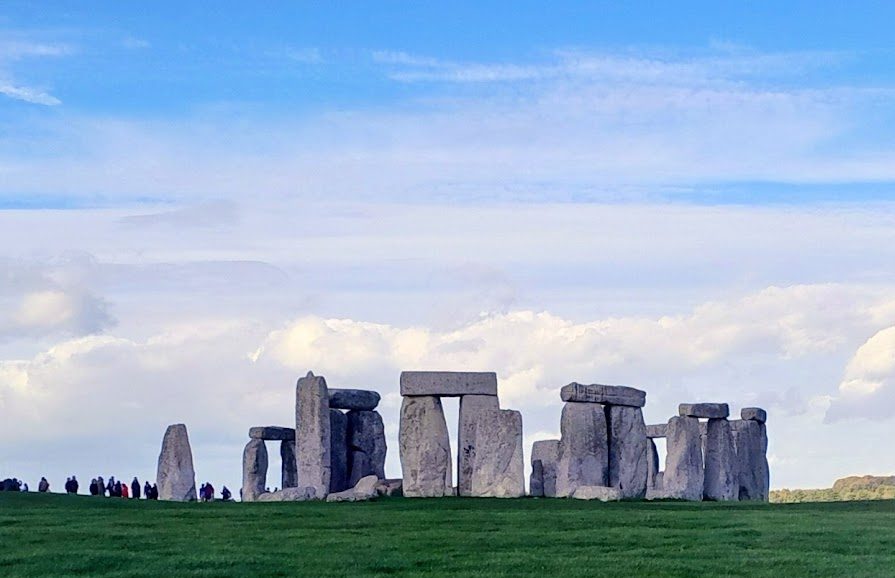
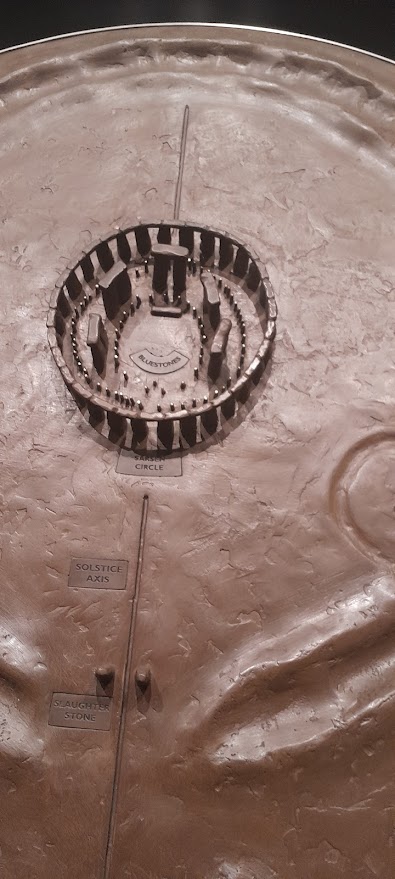
Stonehenge is one of England’s most famous and fascinating landmarks. This ancient megalithic structure stands near Salisbury in the southwest of the country, and its origins are still a mystery. Over the years, people have suggested everything from supernatural beings and visiting aliens to the Romans as possible builders. Today, most historians believe Stonehenge was used for religious or ceremonial purposes, although there’s no full agreement on this. One reason for this idea is the way the monument aligns with the summer solstice sunrise and the winter solstice sunset, both of which are neatly framed by pairs of stones at the site.
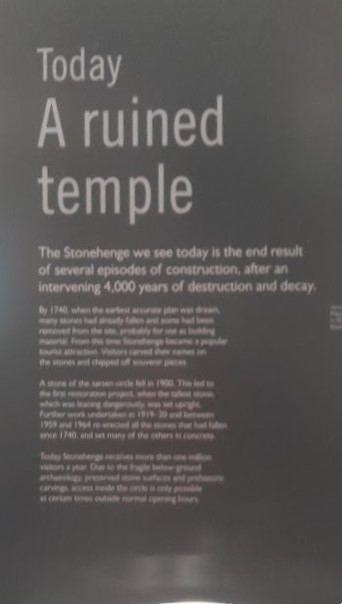

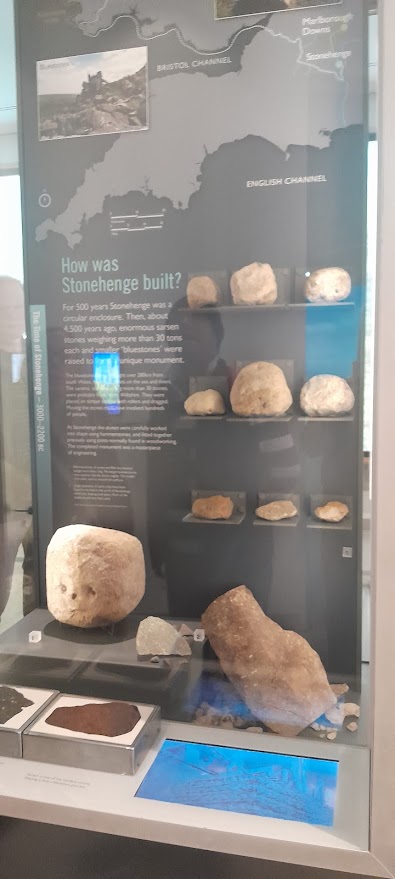
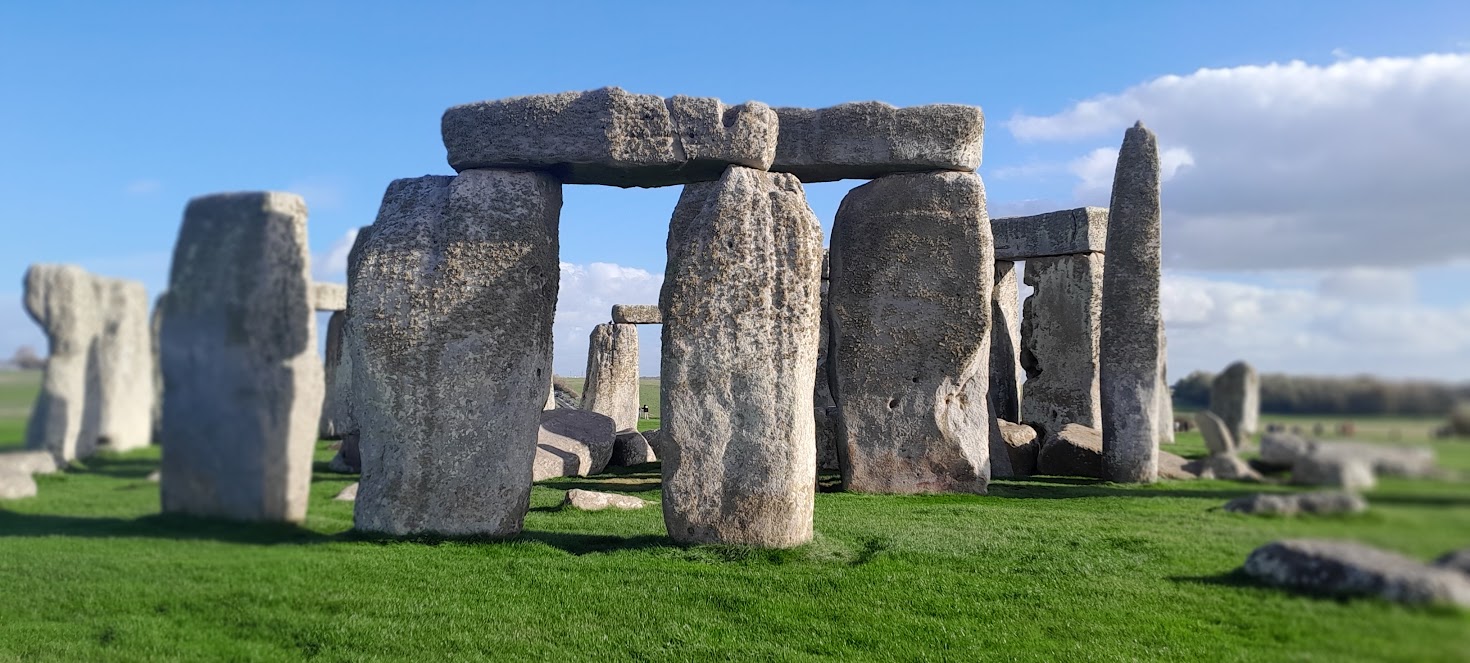
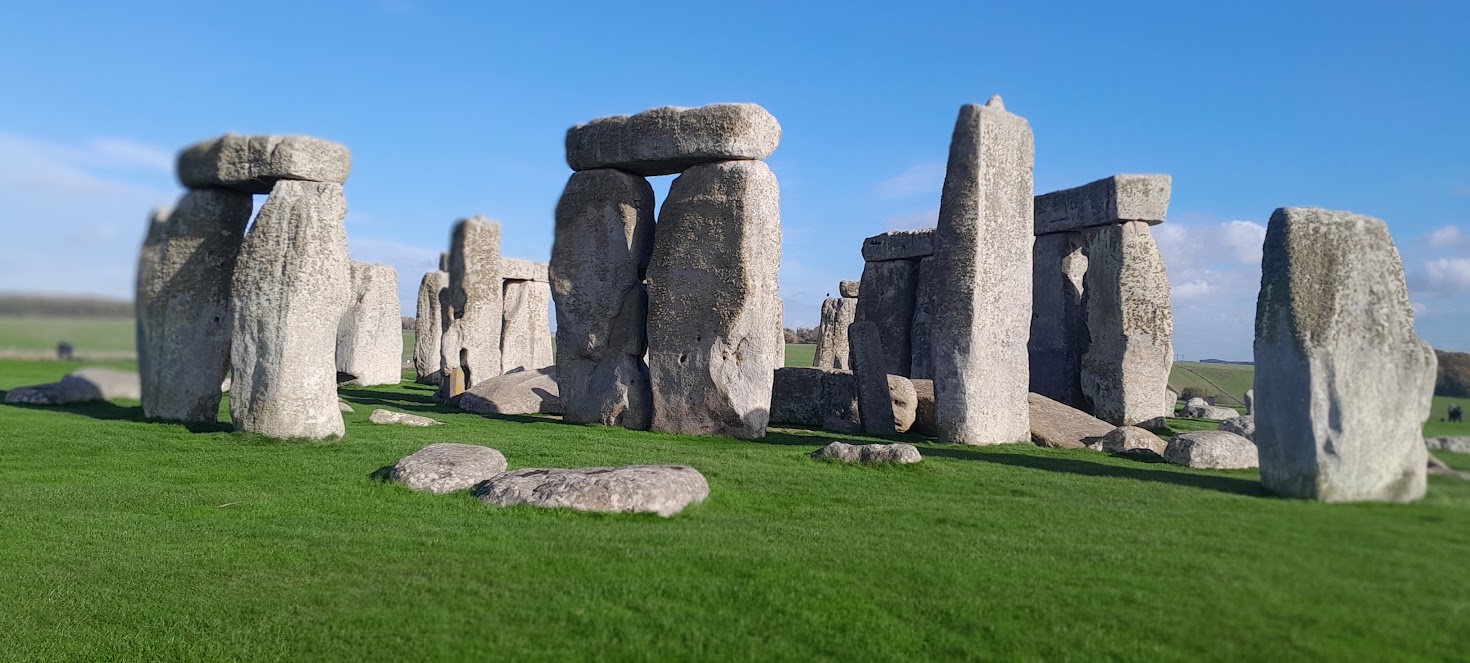
Modern research suggests that Stonehenge’s earliest construction dates back to around 3000 BC, when the first earthworks were created. Some time later, smaller bluestones—brought all the way from Wales—were arranged in a circular pattern. A few centuries after that, the monument took on its most recognizable form with the addition of the massive sarsen stones that make up the outer circle. Each of these stones weighs around 25 tons and was transported from quarries over 30 kilometers away, using methods that are still not fully understood. One popular theory suggests they may have been “walked” into place by rocking them, similar to theories about how the statues on Easter Island were moved.
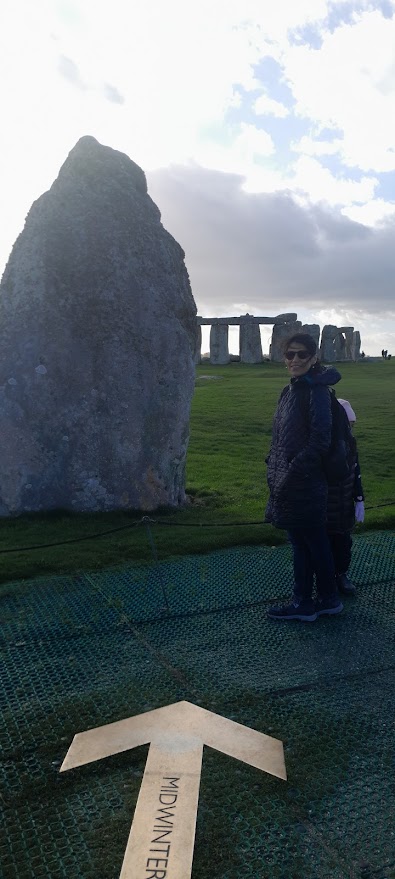
Later still, five trilithons—structures made of two upright stones supporting a horizontal lintel—were erected inside the circle. Just outside the outer ring stands another sarsen known as the Heel Stone, alongside an empty stone hole; together, these likely formed the frame for the summer solstice sunrise. The winter solstice sunset, meanwhile, would have been visible through one of the trilithons (only part of which remains today), setting over a red sandstone known as the Altar Stone, believed to have been transported from as far away as Scotland
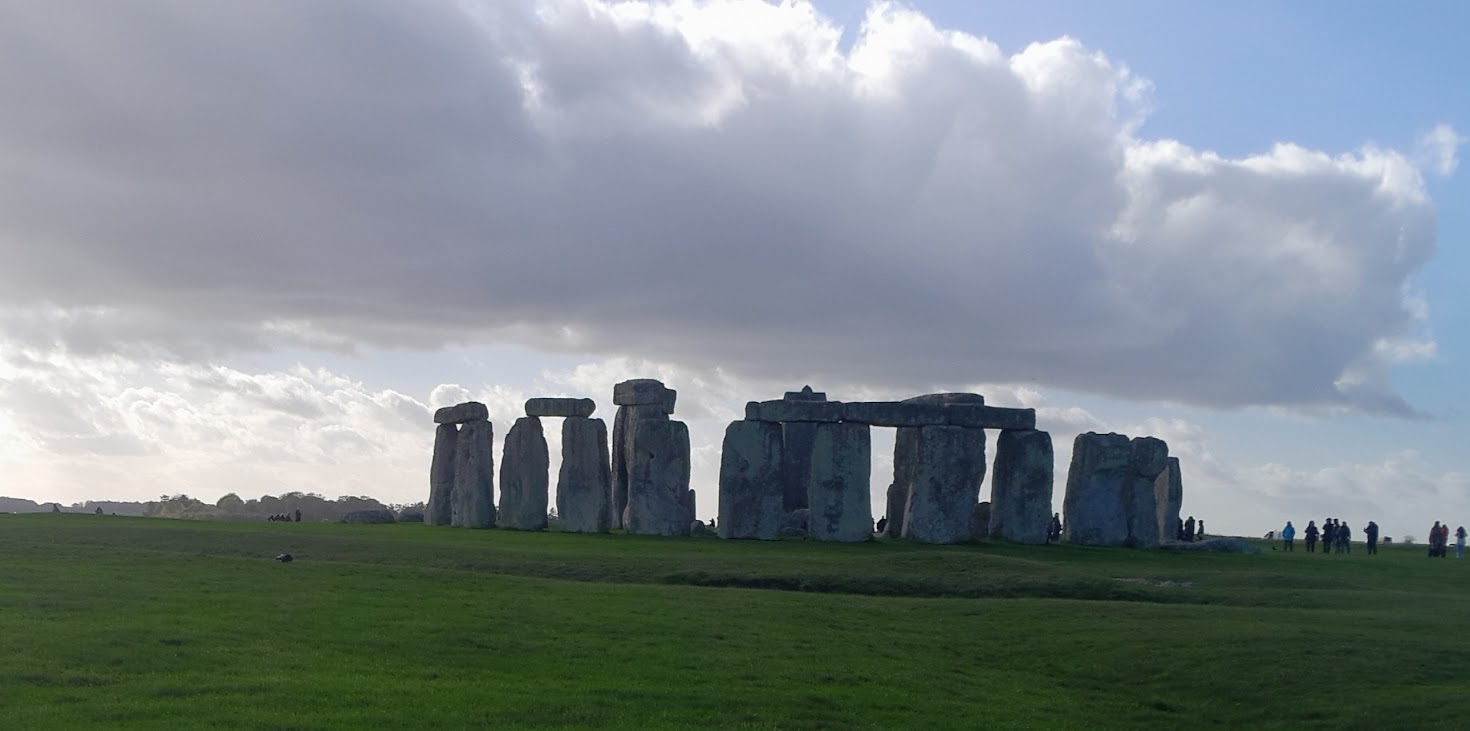
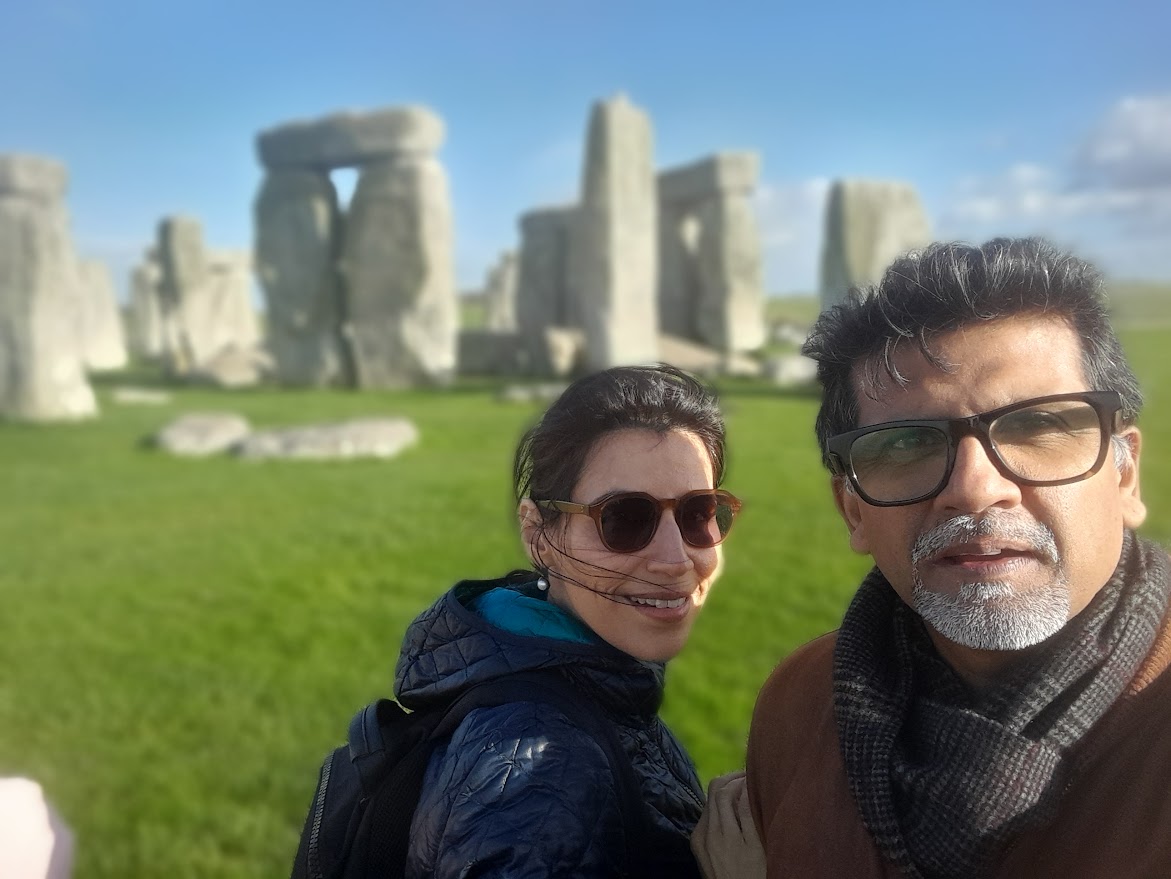
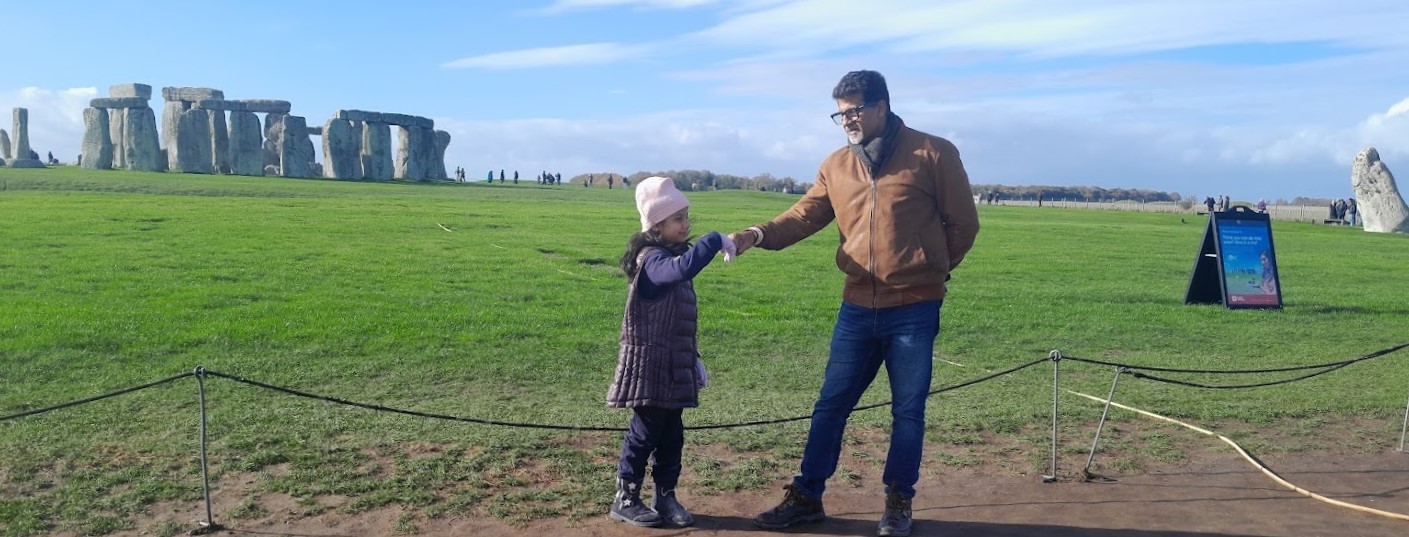

Whether it served as a religious sanctuary, an astronomical observatory, or some purpose we have yet to understand, Stonehenge remains a powerful testament to human ingenuity. Even today, it is an awe-inspiring and quietly spiritual place, which left me with a sense of wonder and evoked feelings of connection to the past.

 The Open Roads