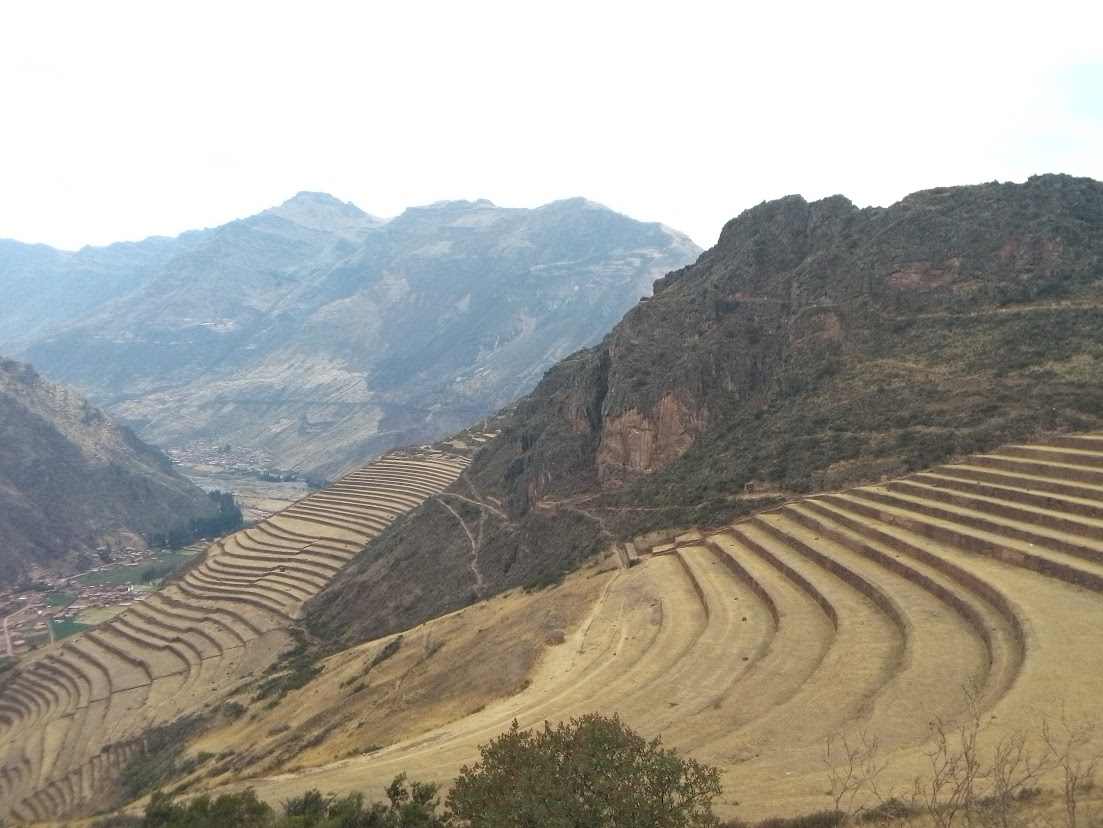
Machu Pichu may be the crown jewel of the Valle Sagrado of the Incas and Cusco recognized as a modern city and the former Inca capital, there are several Inca sites of archaeological interest in the area. Ollantaytambo, Chinchero, Urubamba, Maras and Pisac are well preserved sites that offer great insights into the Inca times. I have visited Pisac a few times over the years, and the unique combination of its vibrant town, a long (but rewarding) hike, and the powerful presence of its Inca ruins makes it an essential destination for the adventurous traveler.
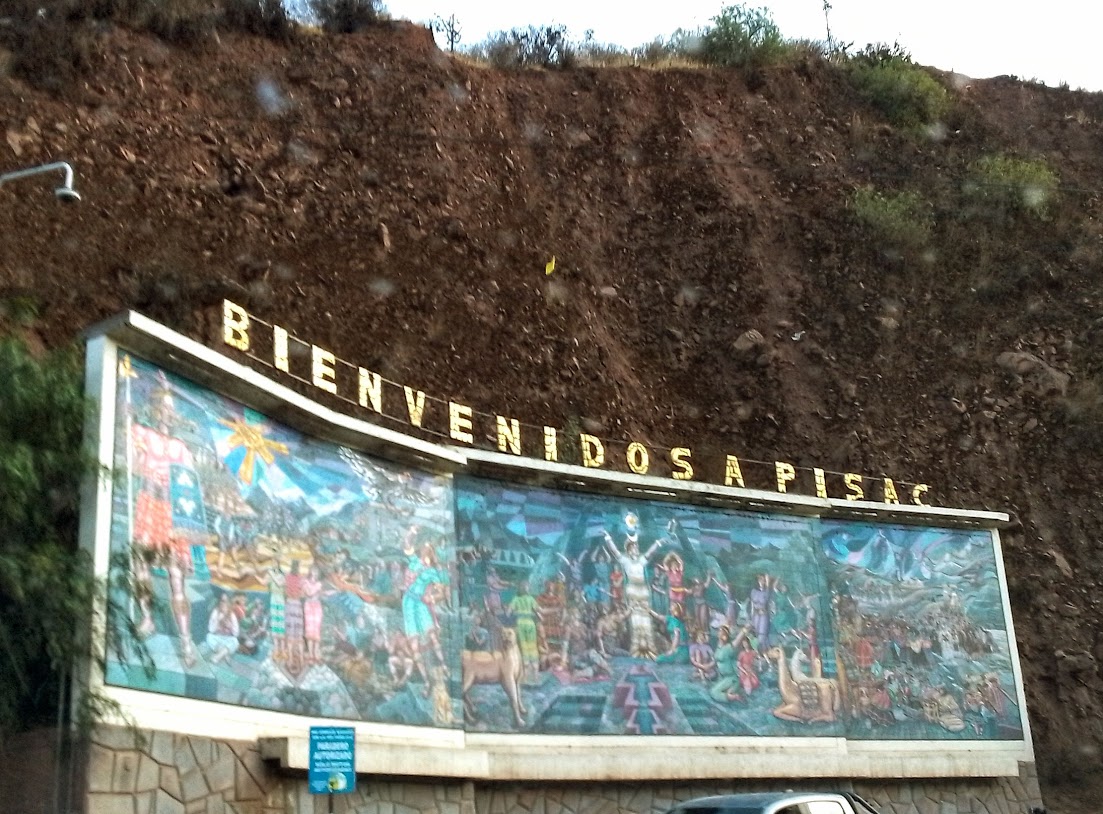
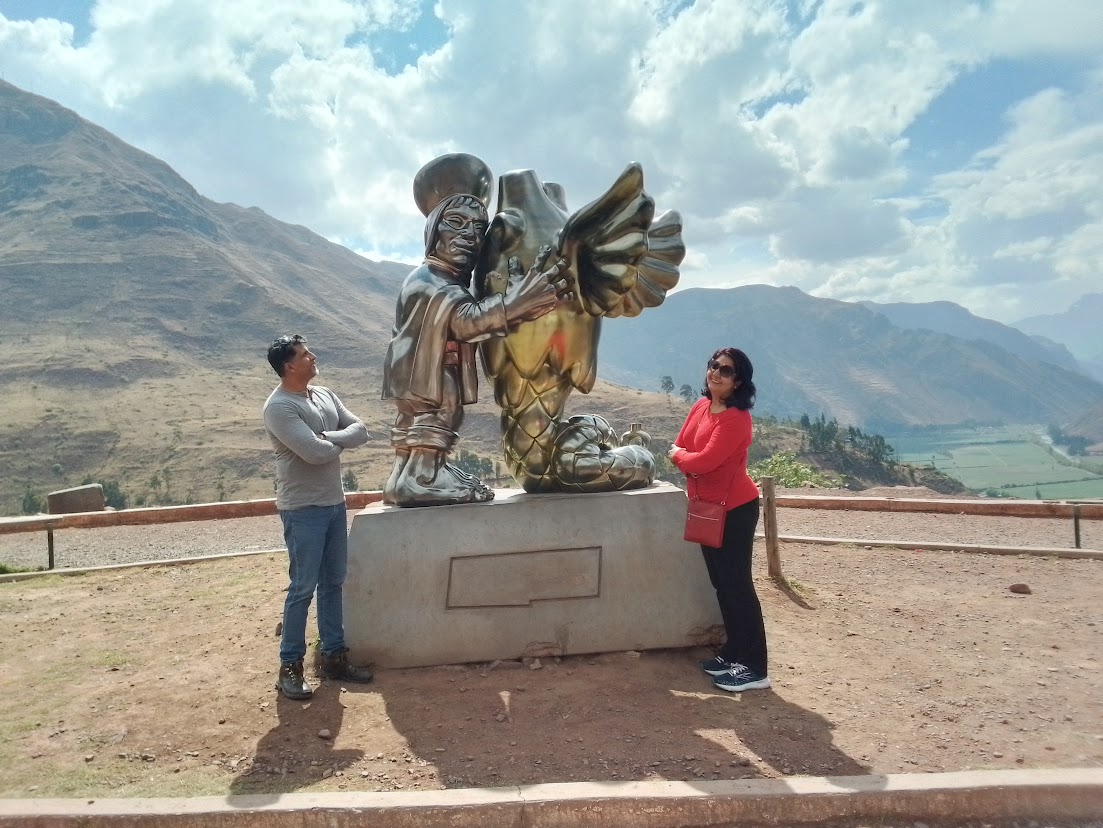
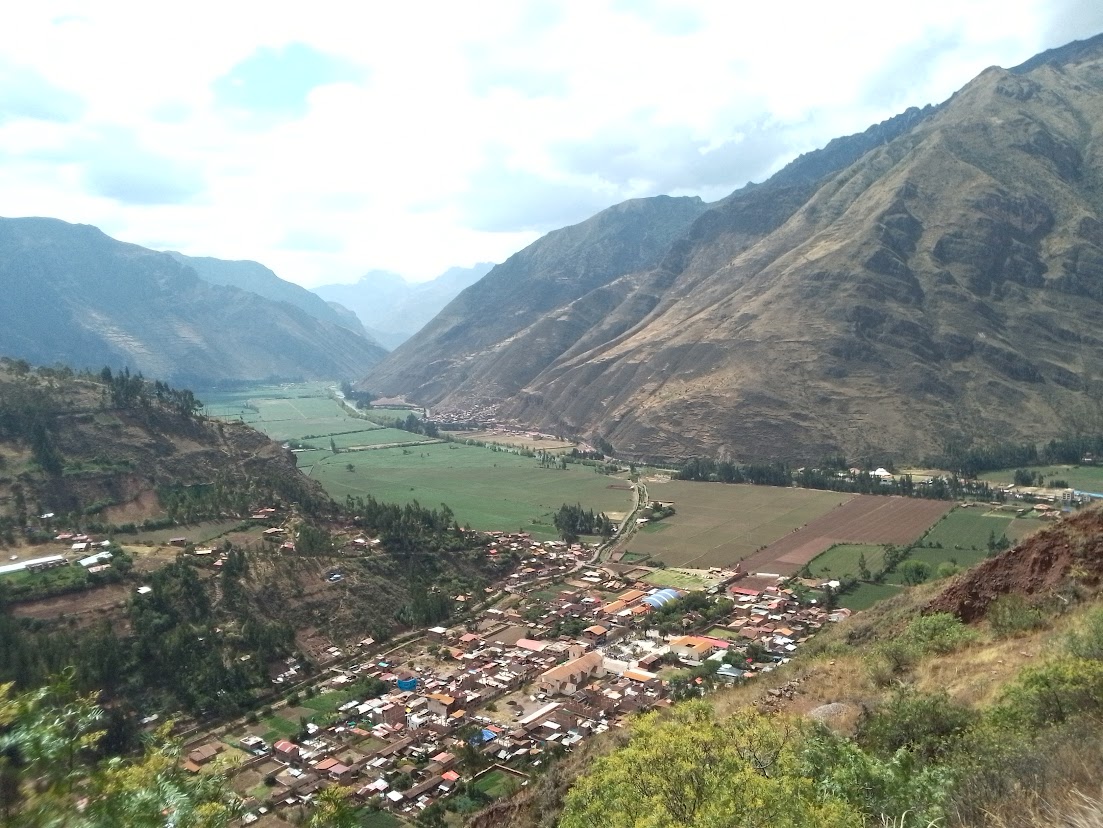
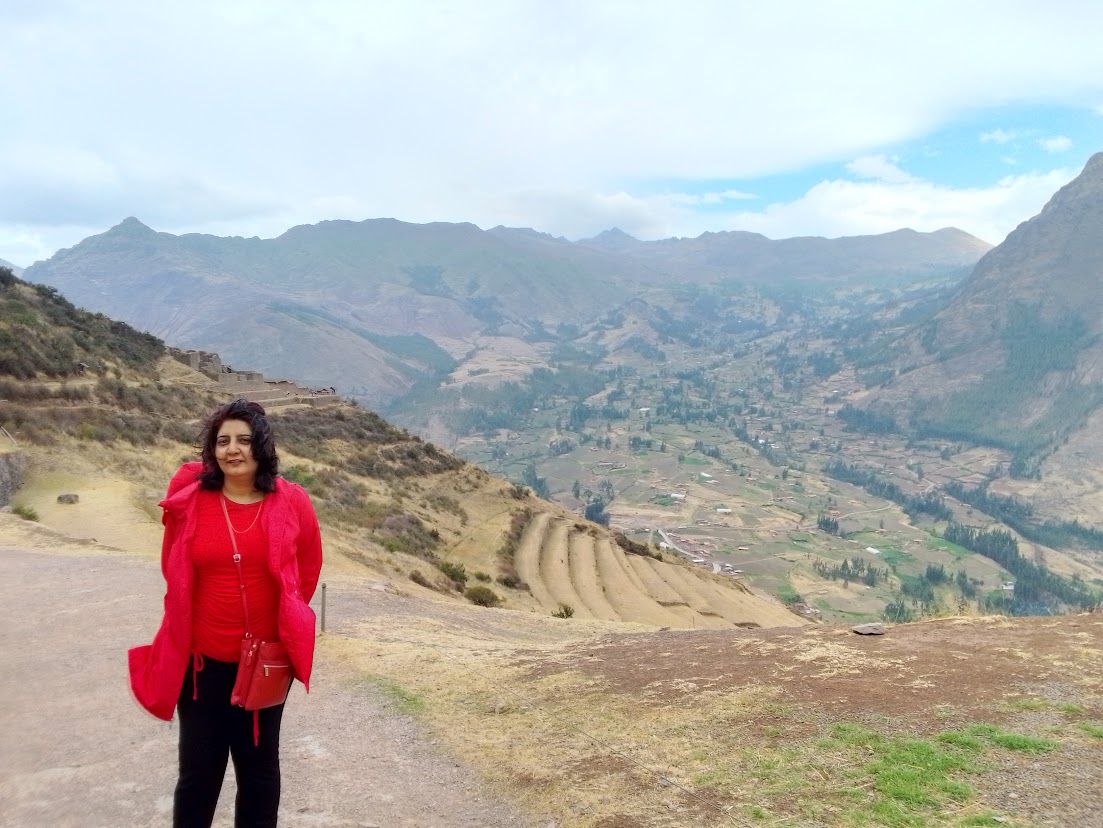
While the pre-Spanish history of the area is somewhat scarce, the archaeological site perched on the mountaintop overlooking the modern Pisac town is believed to have served as a garrison, perhaps to defend Cusco, which is about 45 minutes away by car today. On the winding road up to Pisac, you’ll pass a striking statue of an Inca man embracing a condor, a powerful symbol of the harmony between the Inca people and the divine—the condor being the messenger between the earthly and spiritual worlds.
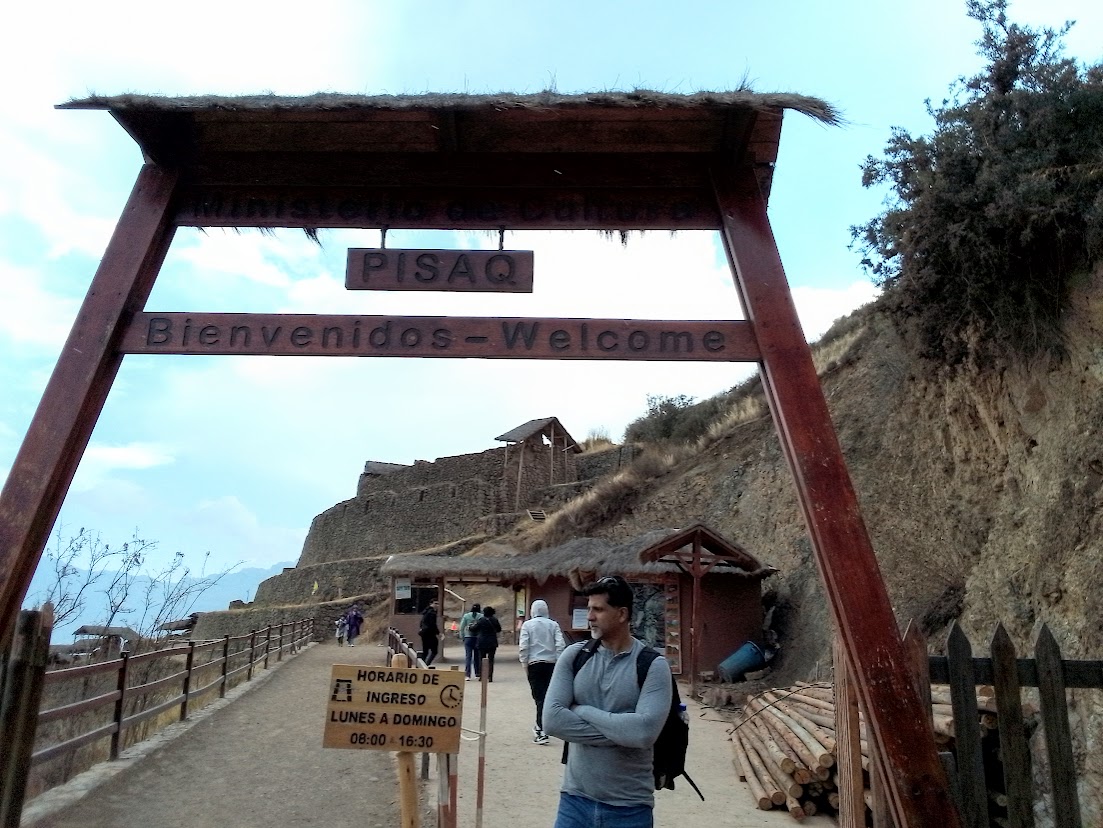
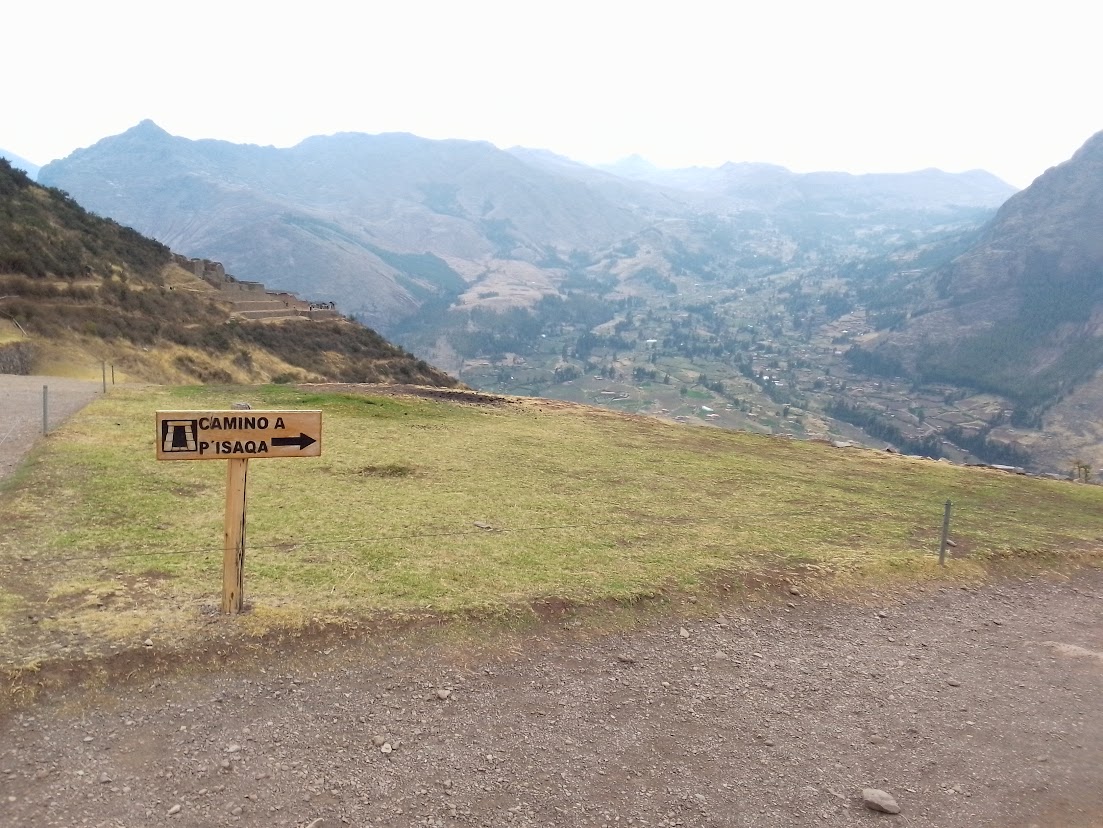
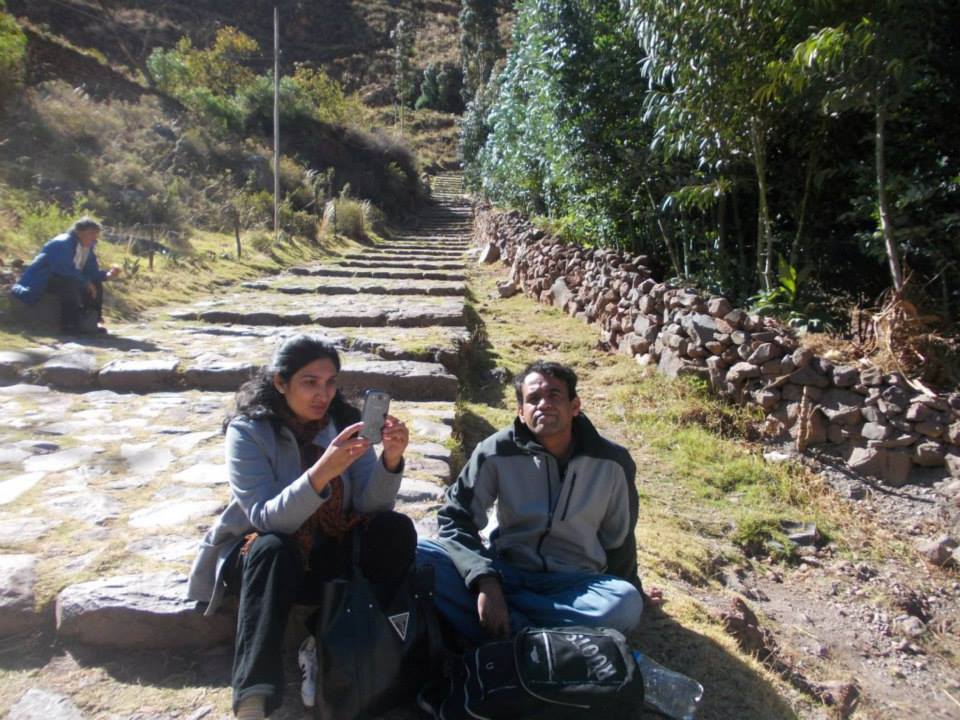
Reaching the ruins themselves is an adventure with two very different options. You can hike up from the town, a rewarding trek that takes anywhere from one to two hours. Alternatively, a taxi can take you up via a road full of hairpin bends, which—being prone to motion sickness—was not a pleasant experience for me.
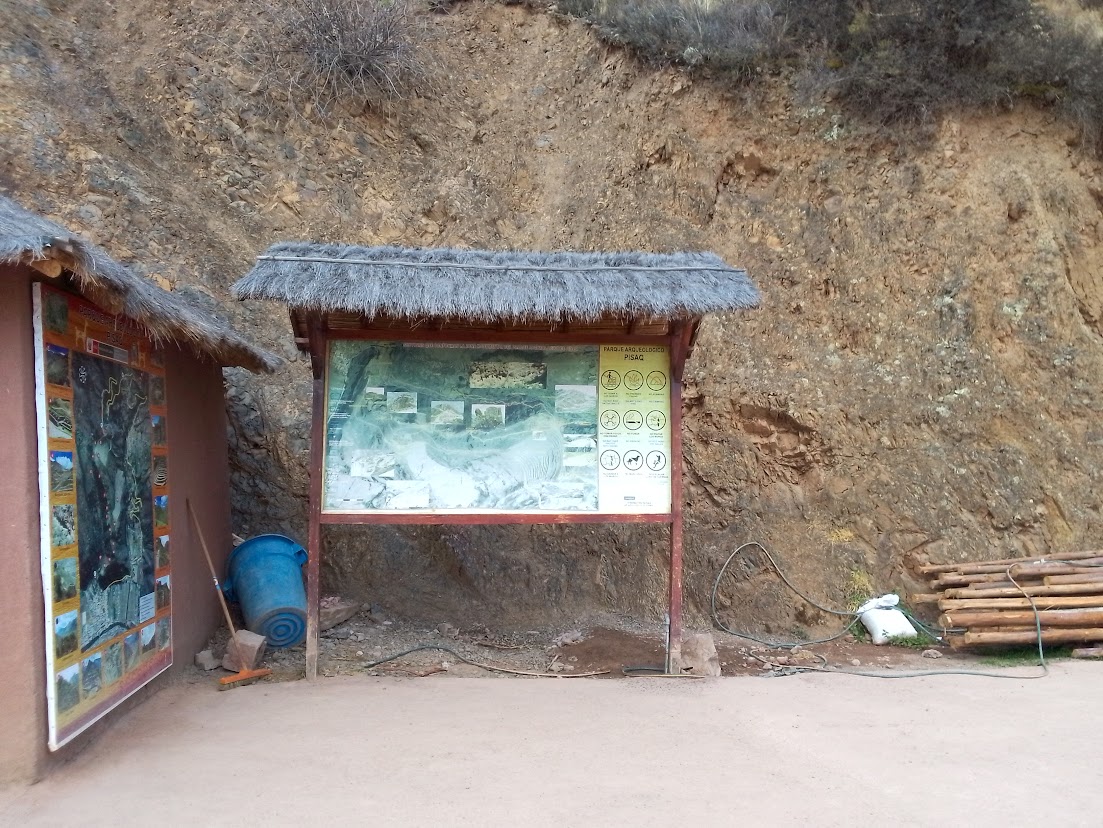
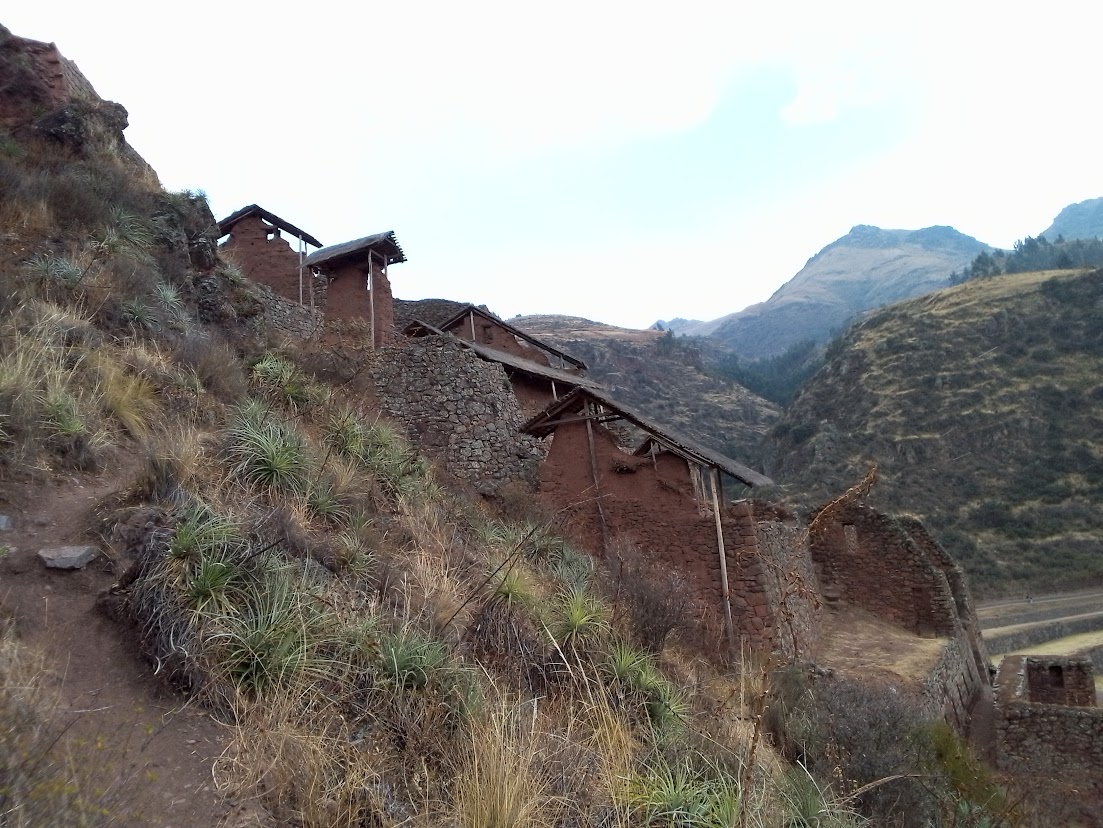
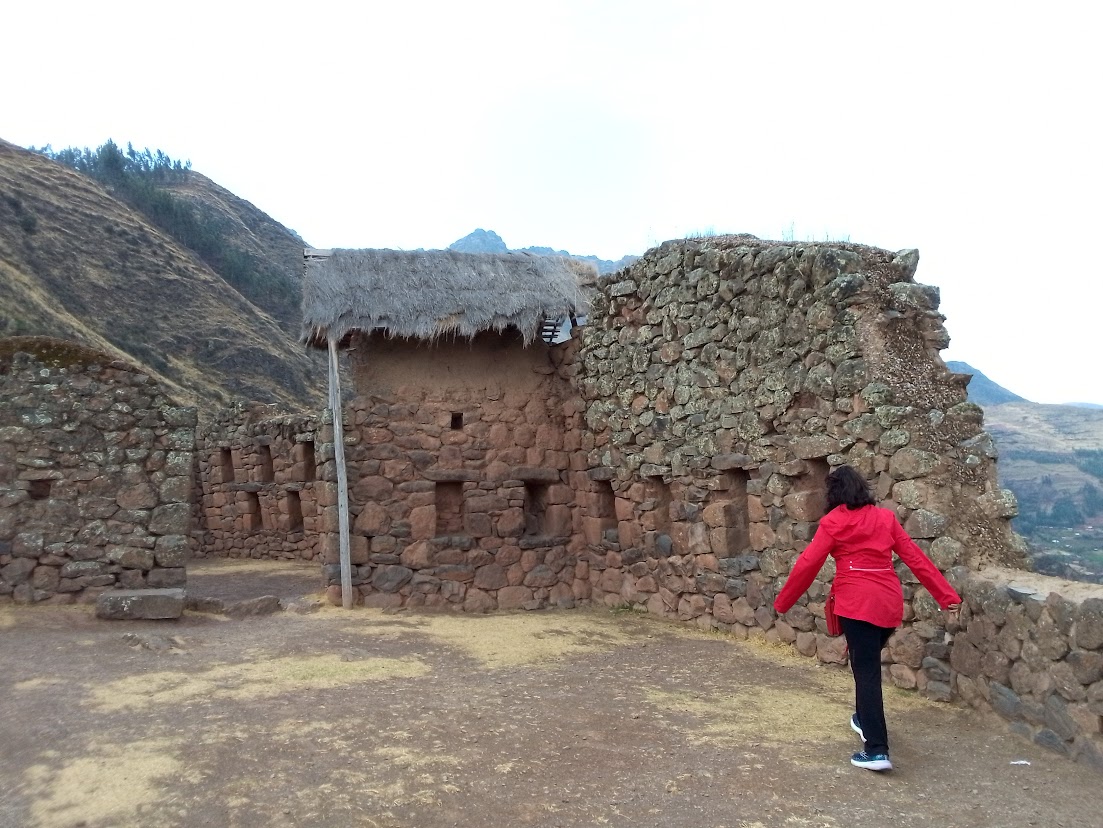
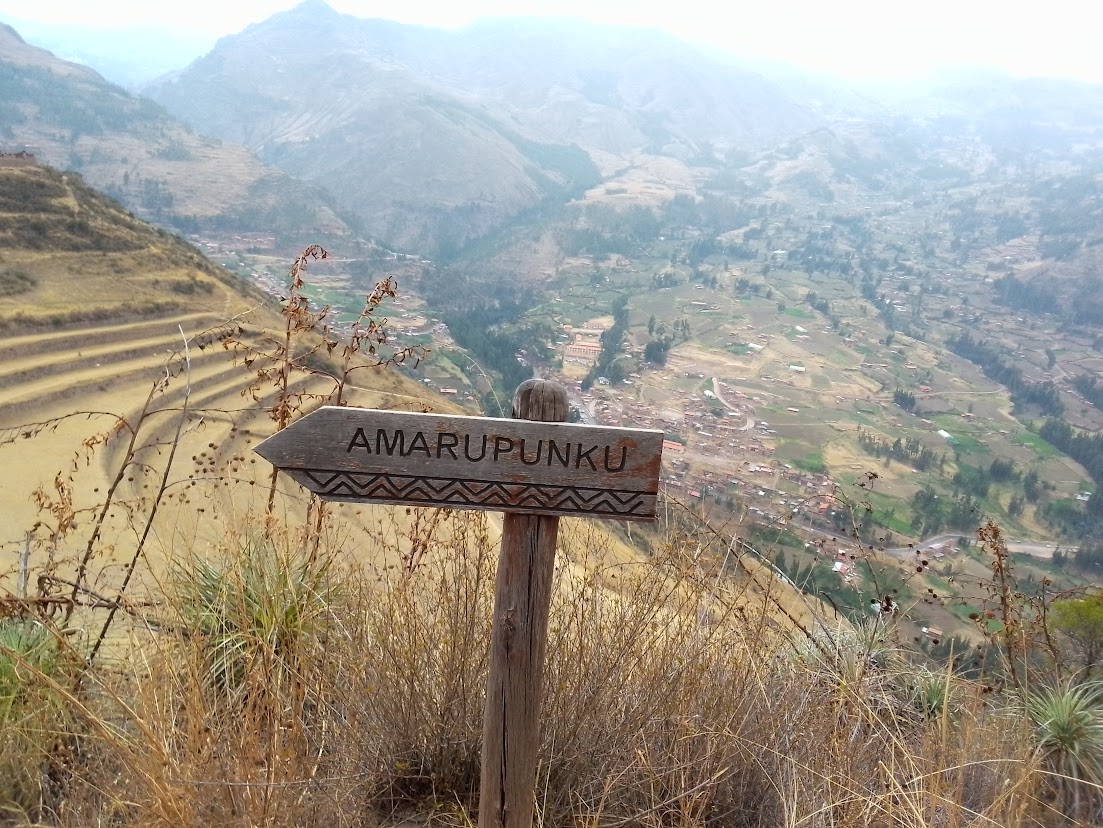
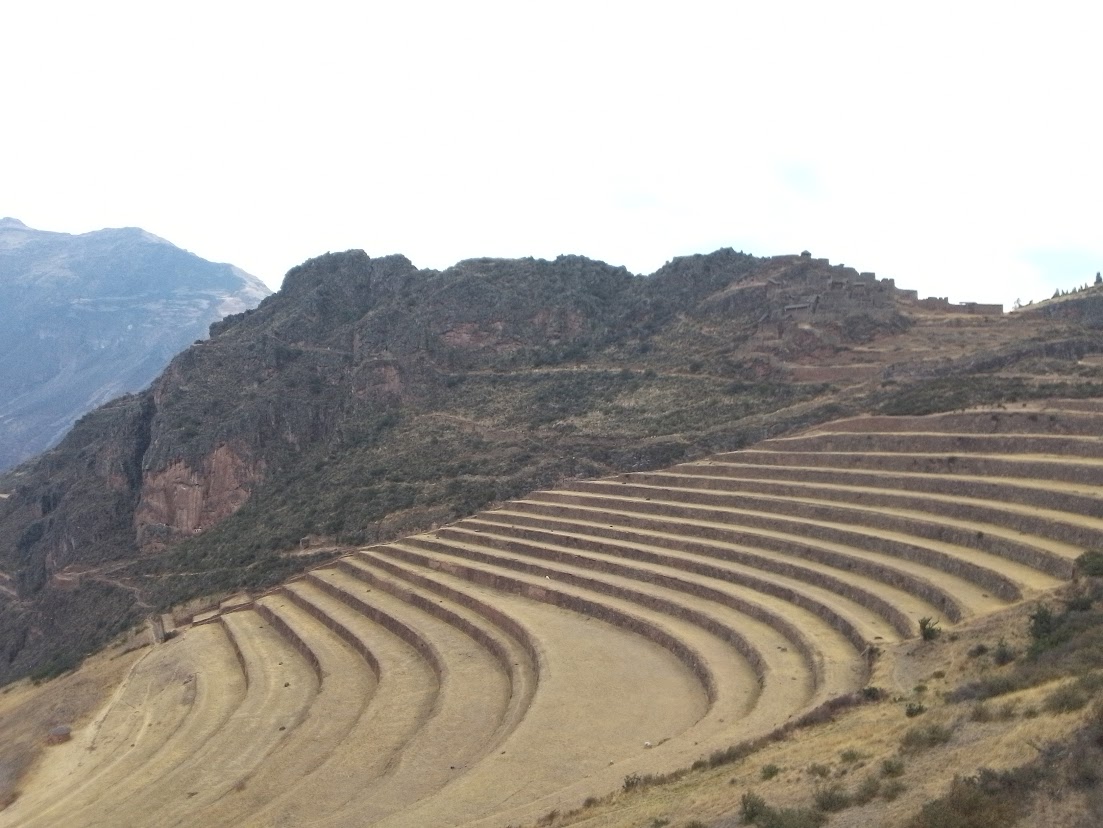
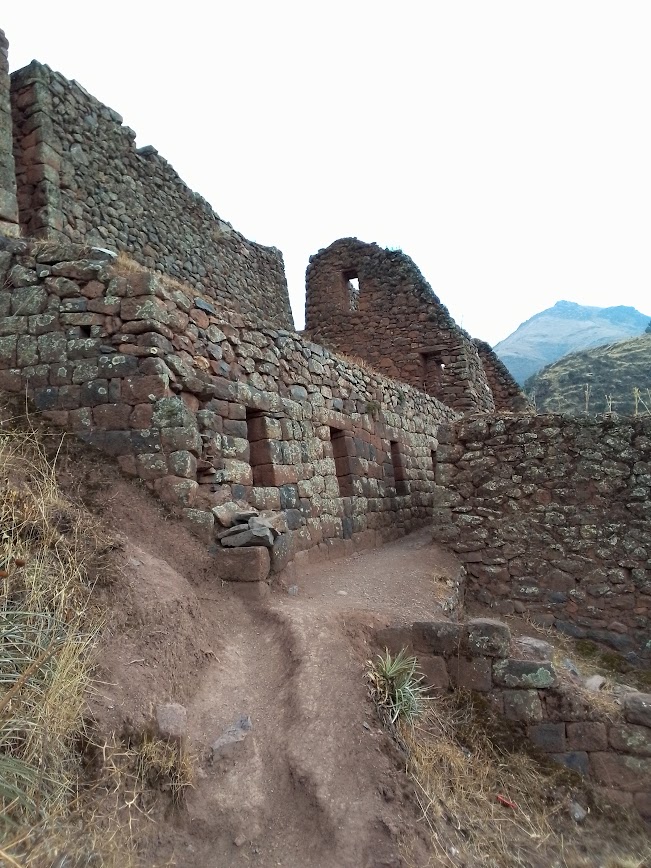
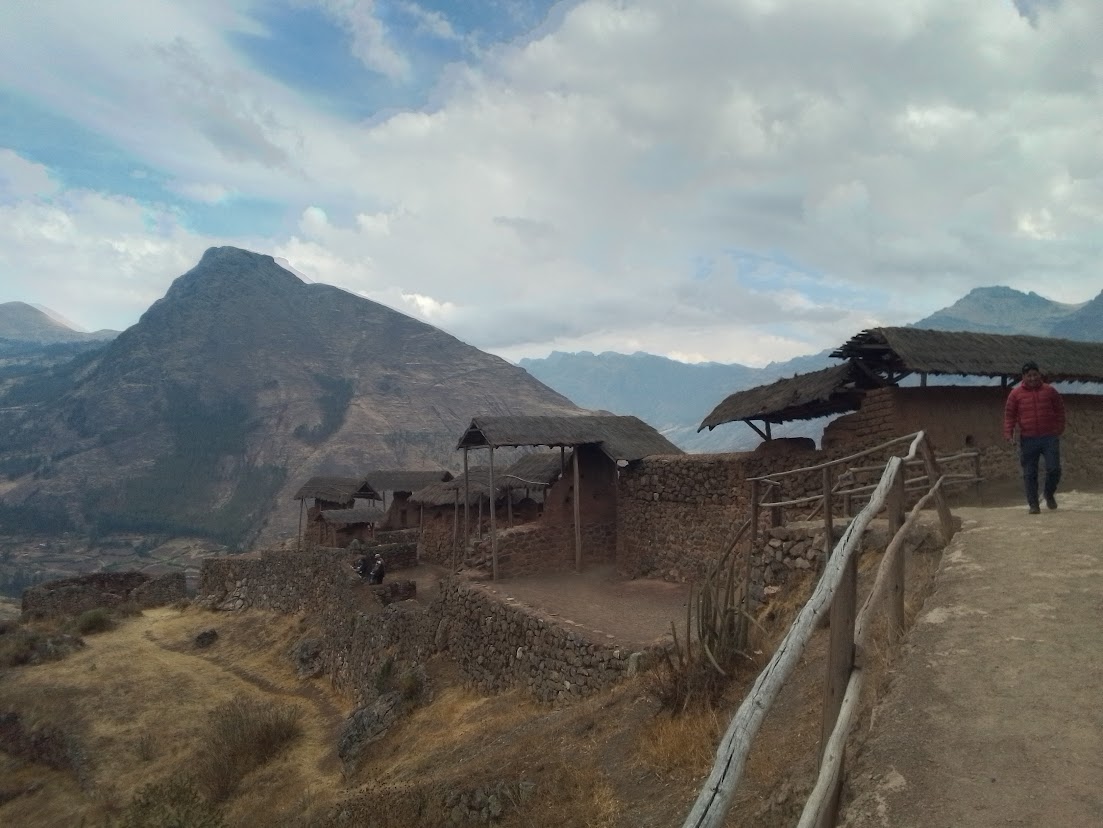
The entrance ticket is available at the site, and once inside, you’ll find the ruins are incredibly well-preserved. The whole area is enhanced by excellent signage, offering deep insight into what you’re seeing. Scattered across the mountain are many preserved buildings, with the iconic, precision-fit Inca stonework visible throughout. The Sun Temple is perhaps the highlight of a visit here, but the vast, sculpted agricultural terraces, cascading down the mountainside, are no less impressive.
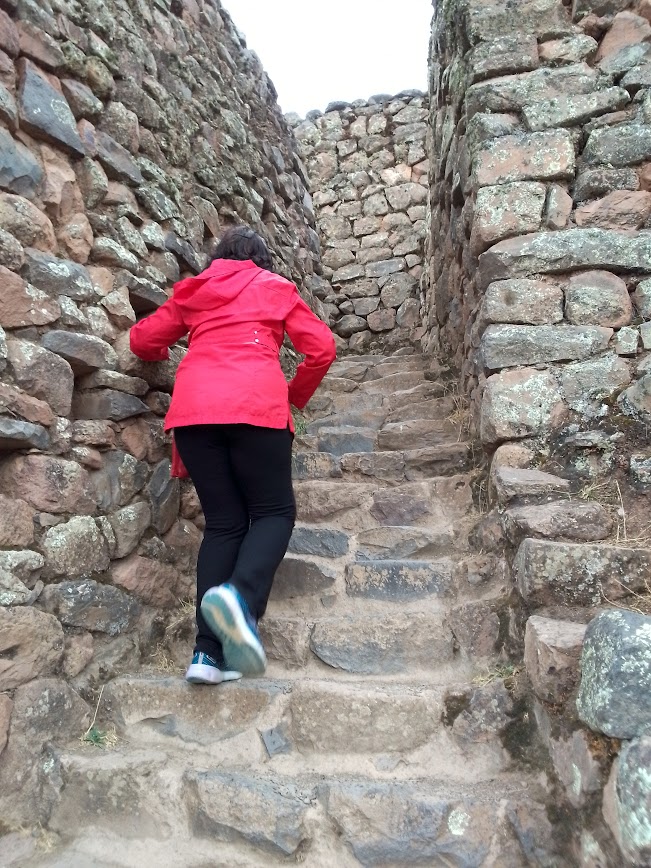
As with most Inca sites, the steps are narrow and steep—not for the faint of heart—and you should plan to spend a good two to three hours thoroughly exploring this remarkable place.
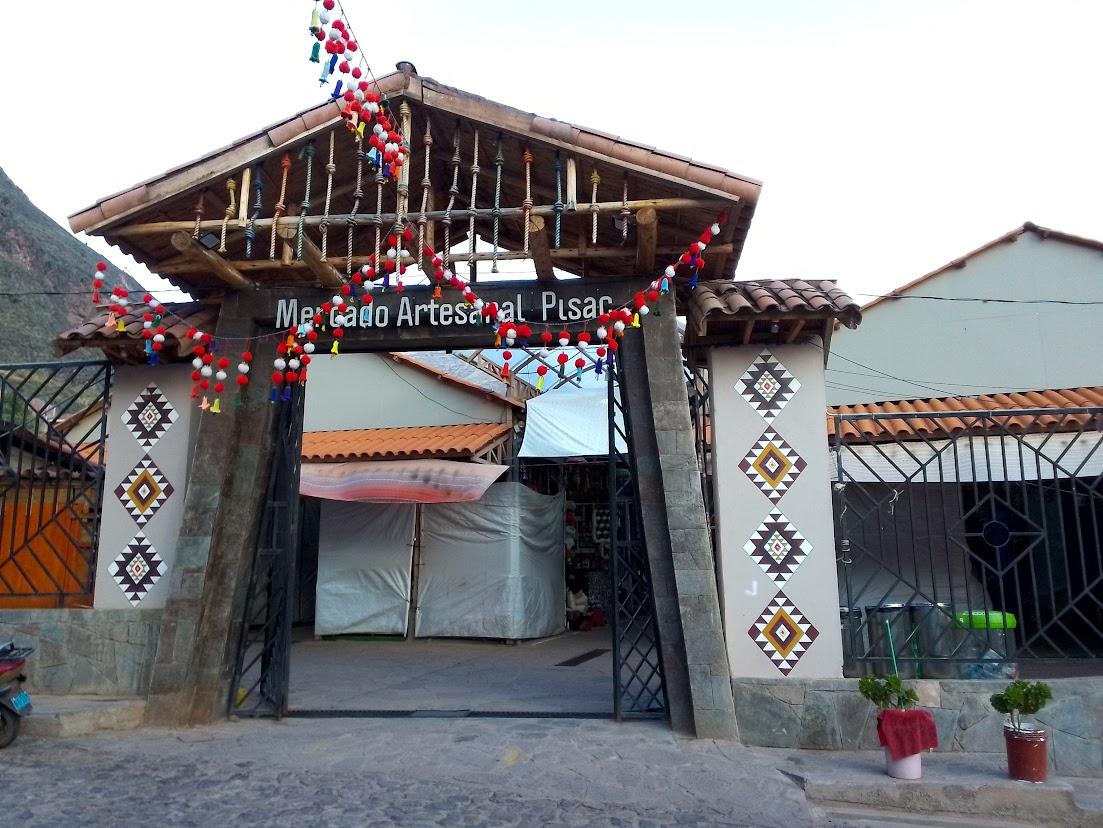
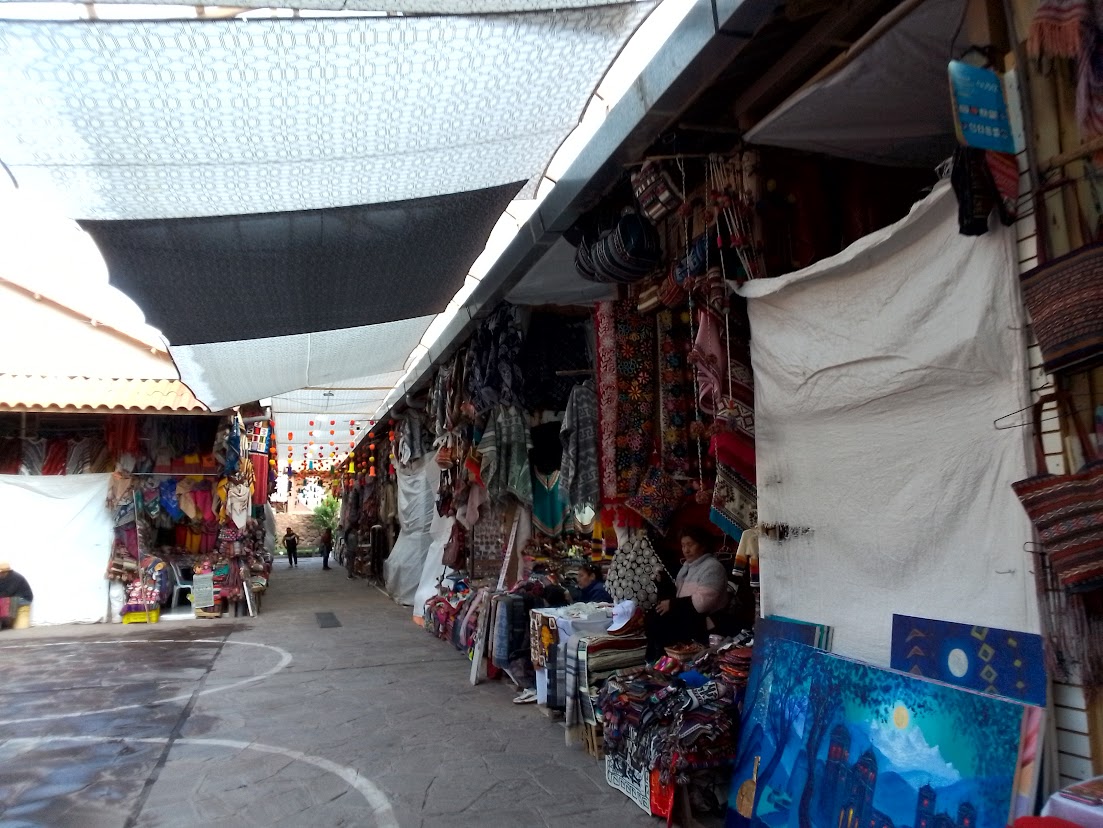
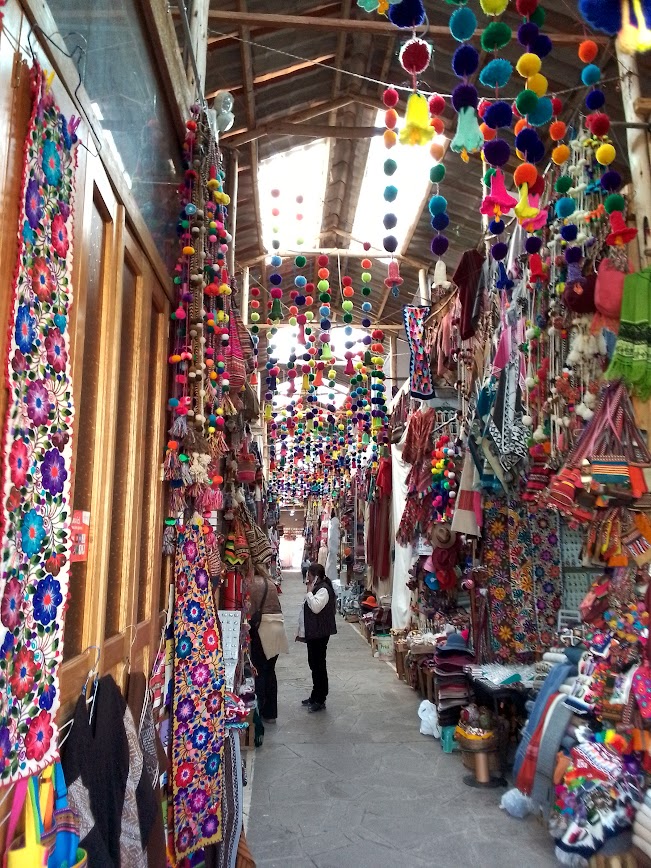
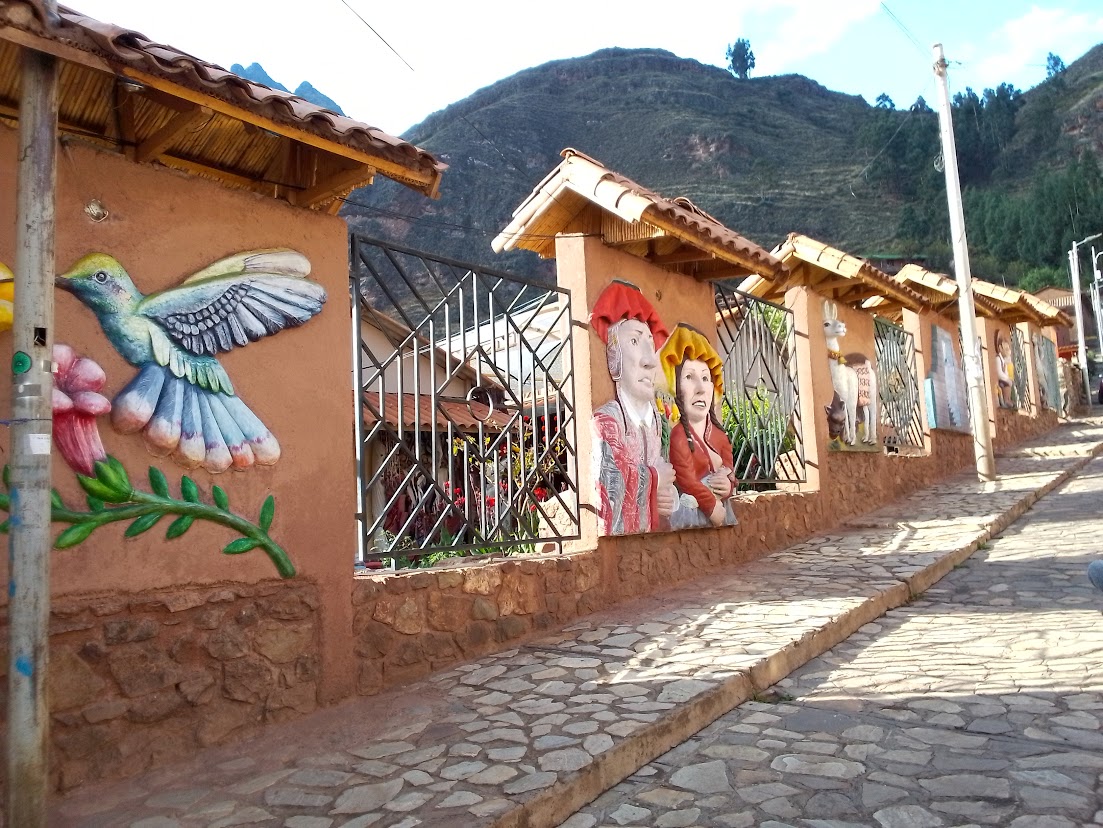
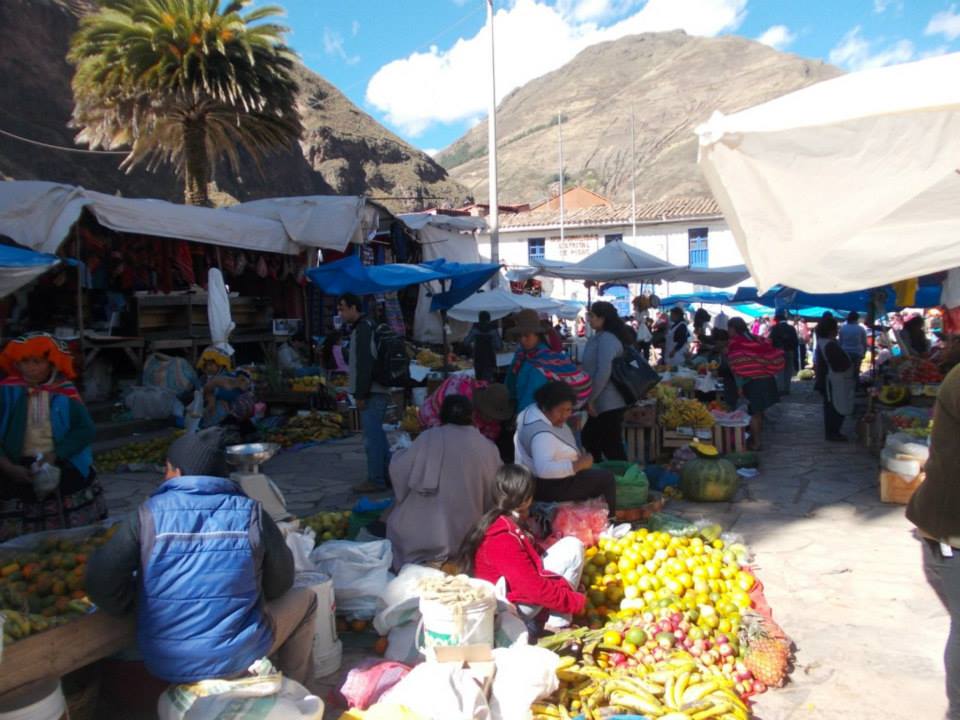
Today, Pisac is best known as a market town. At its heart are permanent artisan stalls, mostly catering to tourists, offering a wide selection of reasonably priced goods. On Sundays, however, the town truly comes alive with an expansive market that draws people from the surrounding villages who come to sell fresh produce and other local products. This is where you’ll find a vibrant mix of local buyers and tourists alike, creating an authentic atmosphere that defines the real vibe of Pisac. A number of restaurants serve local and Peruvian fare—generally reasonably priced and of pretty good quality. If possible, I would highly suggest planning your visit for a Sunday.
There is so much to explore in the area that it often feels like you’re rushing through the experience, collecting memories without quite savoring them. Pisac, with its layered history and easy charm, seems made for lingering. I hope to come back someday, plant myself here for a few quiet days, and finally let its vibes sink in properly—not as a visitor passing through, but as someone who stayed long enough to belong, if only for a little while.

 The Open Roads