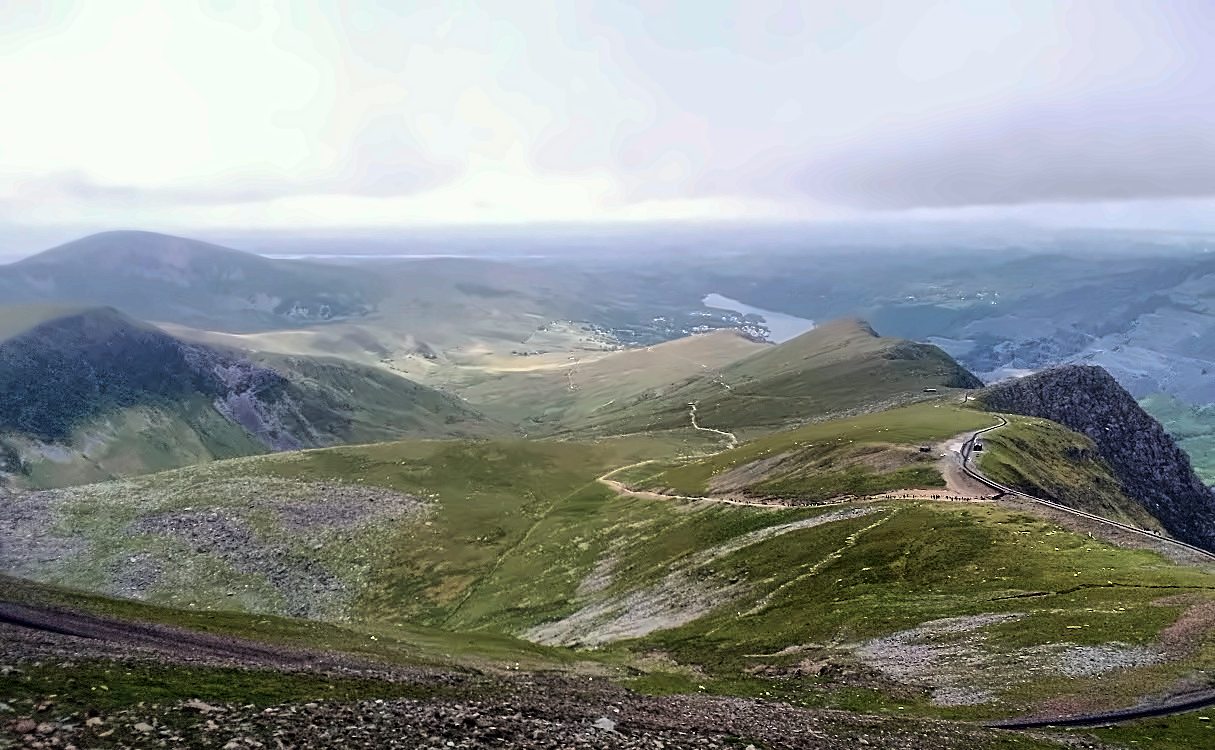
How do you make your way to the top of the highest mountain in Wales? You could lace up your hiking boots and tackle one of several trails that wind their way up its rugged slopes. Or, for a rather different adventure, hop aboard a mountain railway that takes you on a scenic journey through some truly spectacular landscapes all the way to the summit. Both offer their own unique way of experiencing this magnificent mountain.
Welcome to Yr Wyddfa (Mount Snowdon), the highest mountain in Wales, nestled in the spectacular Eryri (Snowdonia) National Park in North Wales. Just a few hours’ drive from London, this region feels like a world away from city life. Beyond its dramatic mountain landscapes, tranquil lakes and vast stretches of unspoilt wilderness, the area is dotted with charming little villages, where you can wander along quaint streets, admire traditional Welsh cottages, stop by cosy cafés and soak up the relaxed pace of rural life. Whether you’re after outdoor adventure or a leisurely countryside escape, Snowdonia has plenty to offer.
I’ve visited the area a few times and have hiked up Mount Snowdon via two different trails. I’ve also experienced the mountain railway on one occasion. And along the way, I’ve had the chance to explore some of the lovely villages in the region. But more on all of that later!
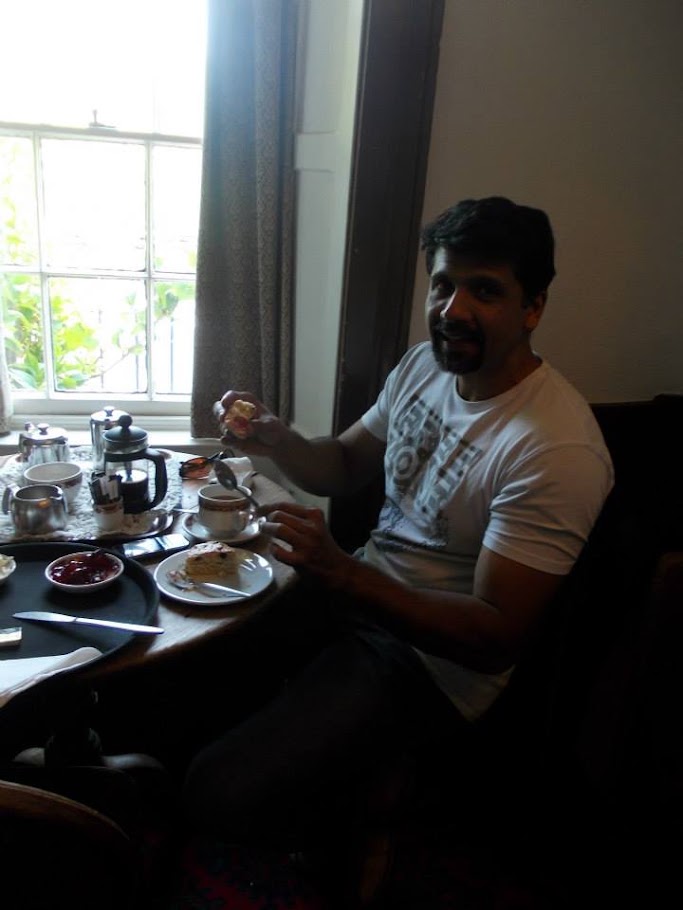
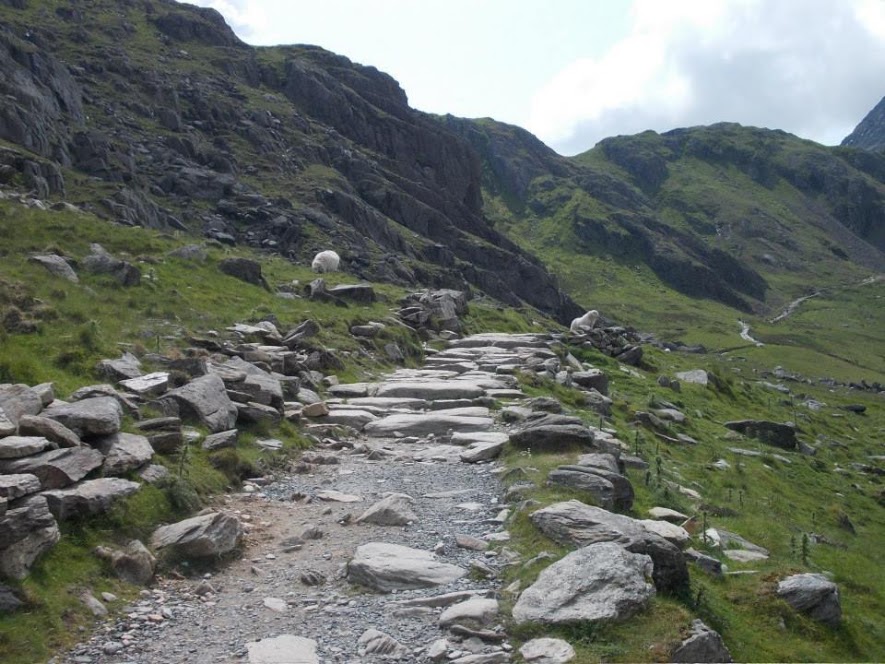
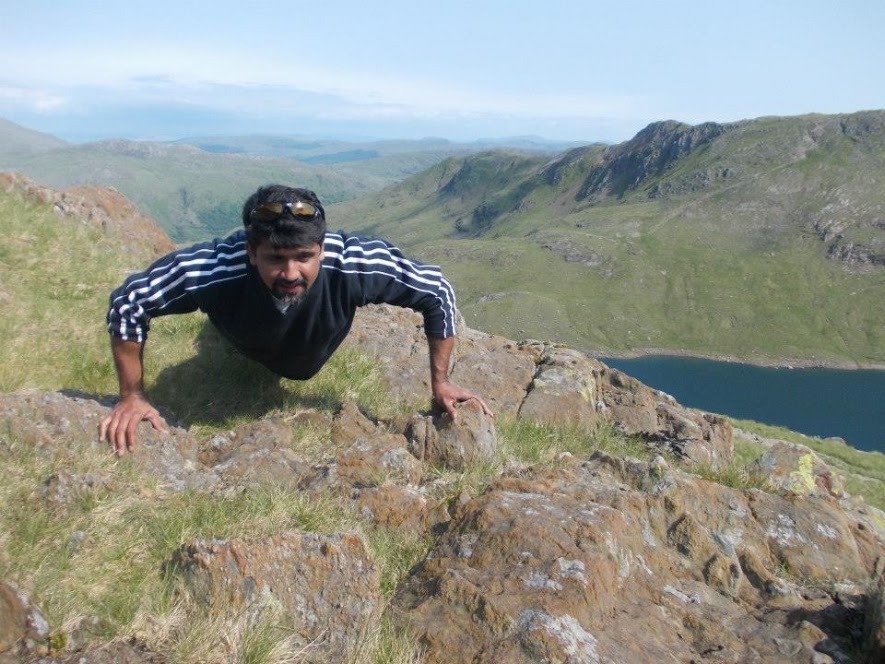
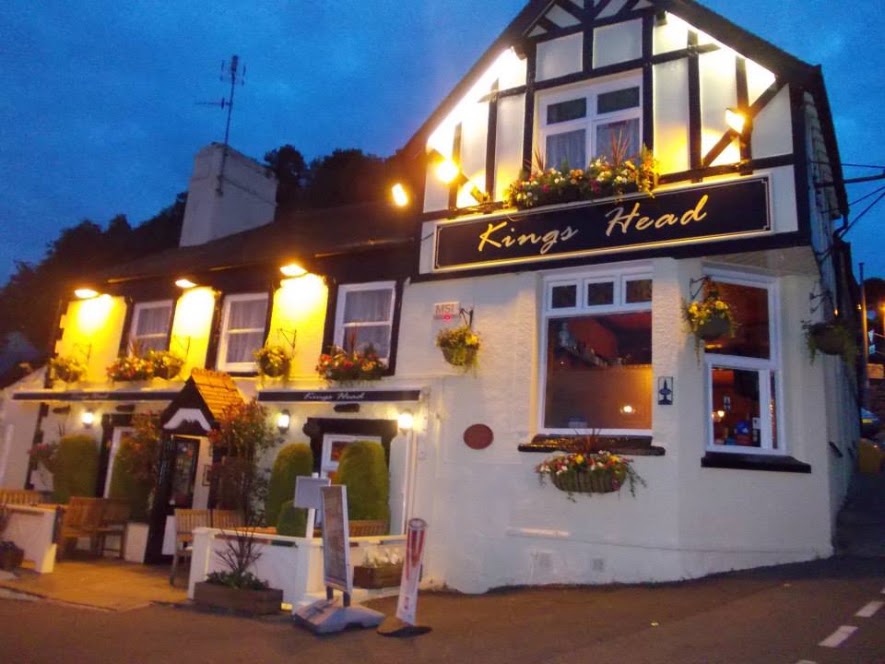
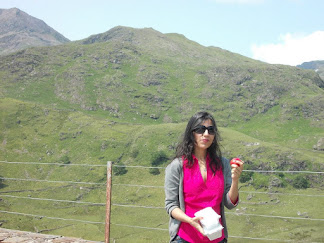
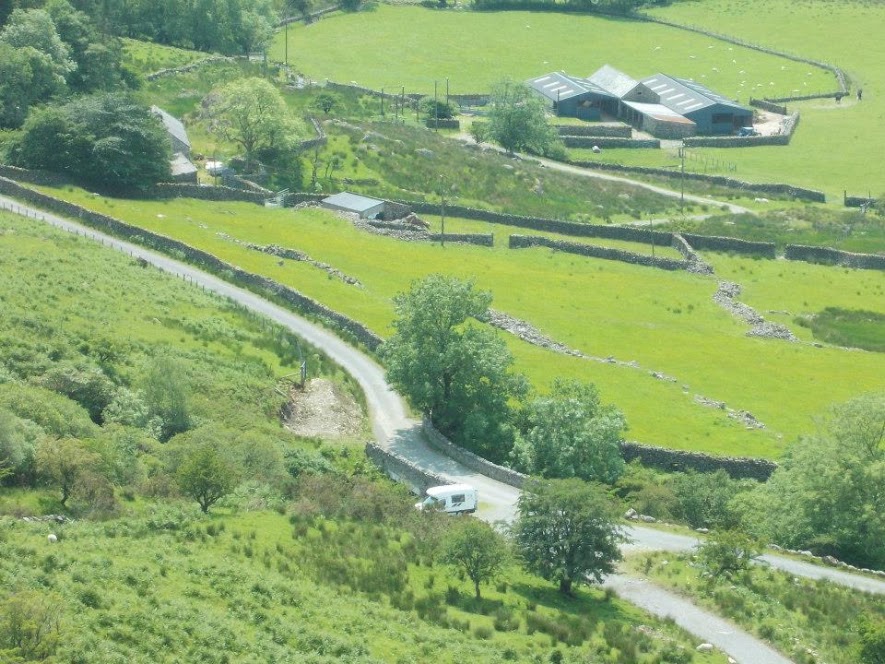
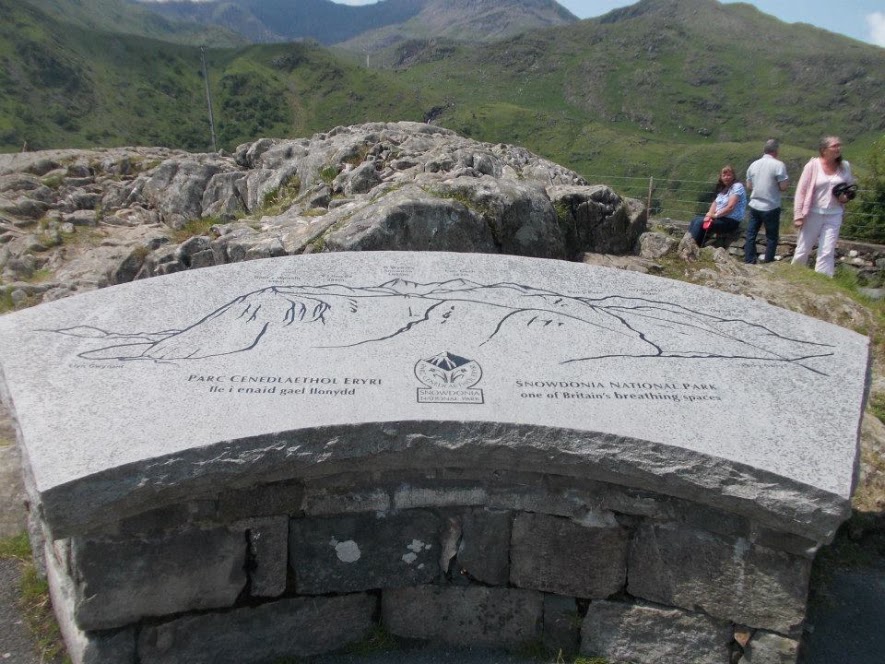
My first visit to the area was back in 2013, when I was in London on a work trip. A and I decided to meet up and drive north to the quaint former quarry town of Blaenau Ffestiniog, where we stayed at the King’s Head Hotel. The hotel also doubled as our pub and restaurant of choice for the duration of our stay, making it a rather convenient base for exploring the area.
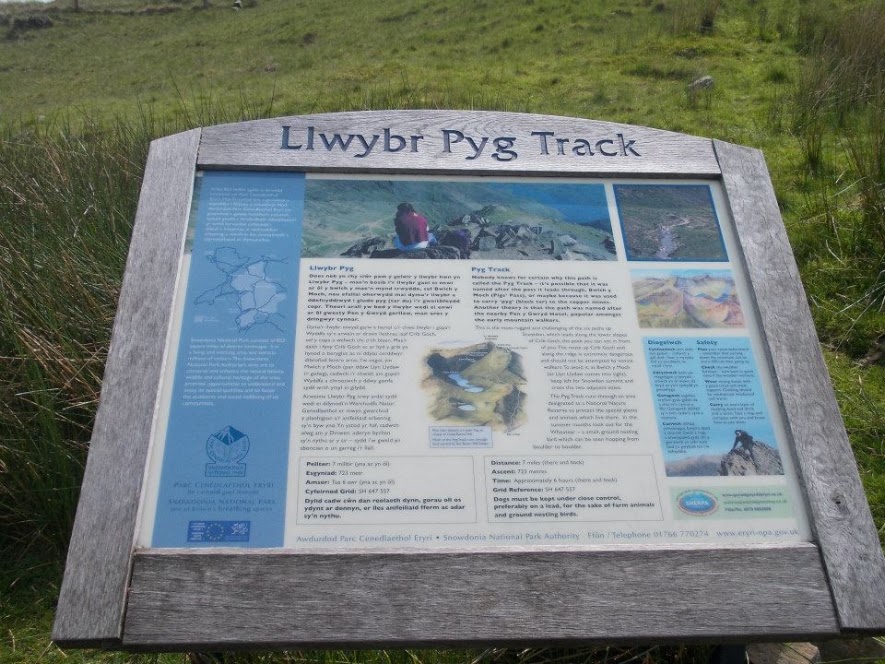
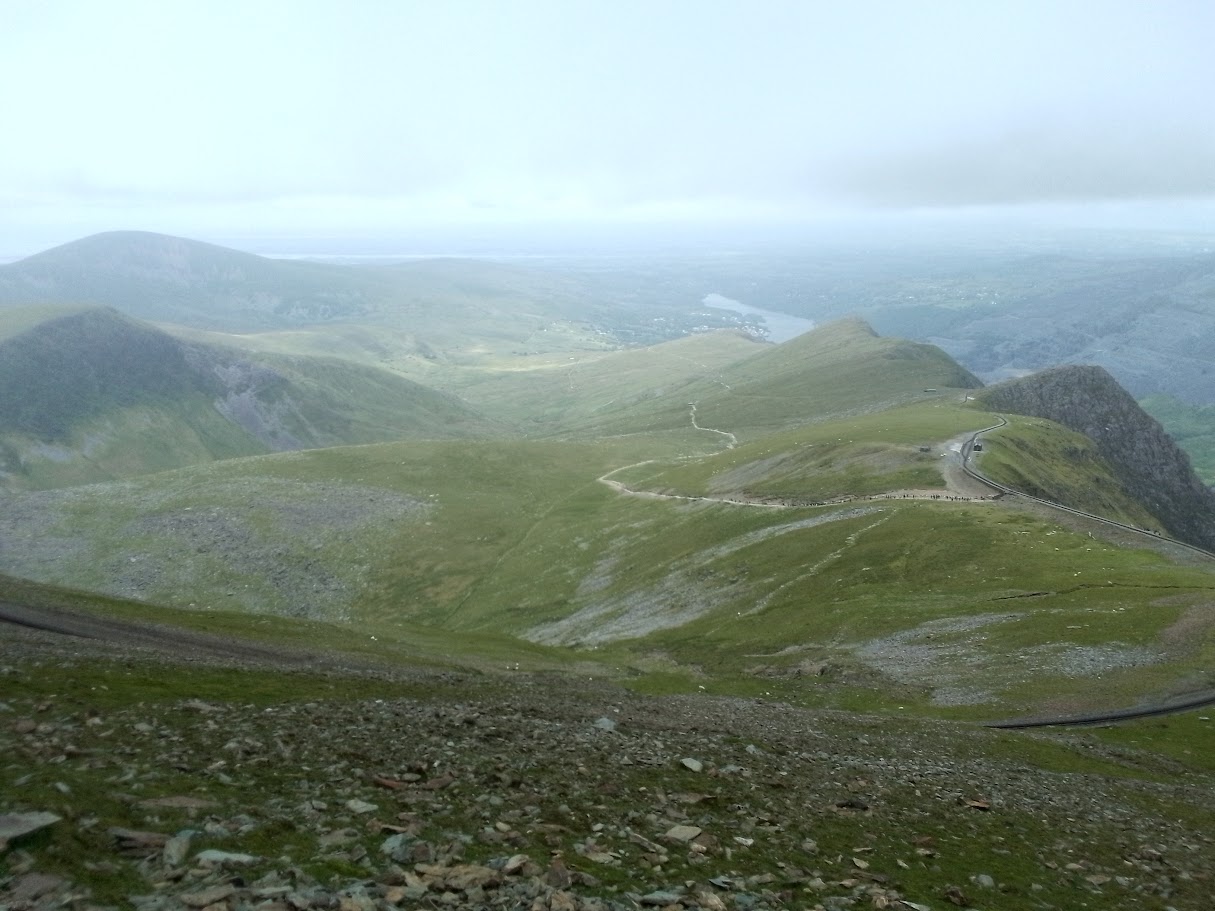
Many of these charming Welsh towns and villages are worth visiting in their own right, but they also serve as gateways to the great outdoors, particularly for those looking to hike up Mount Snowdon. There are several routes leading to the summit, ranging from the relatively moderate Llanberis Path to the considerably more challenging Watkin Path. I’ve hiked up via the Pyg Track and descended using the Llanberis Path. While neither involves technical climbing, don’t underestimate the effort involved. Both require a reasonable level of fitness, and particular care is needed when navigating sections covered in ice or snow.
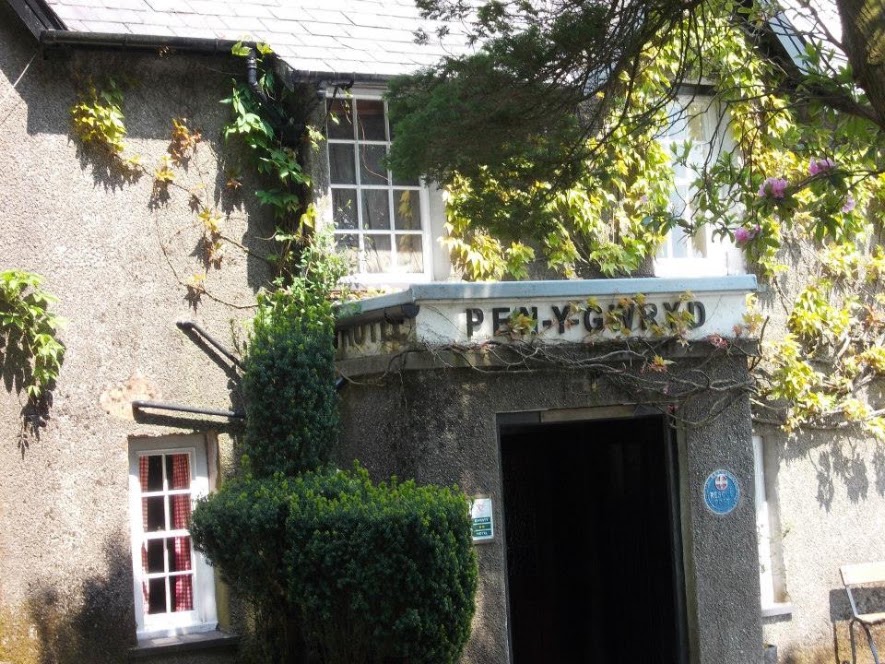
On our descent from the Pyg Track, we stopped at the Pen-y-Gwryd Hotel for some much-needed comfort food. The hotel has quite a mountaineering legacy, having served as a training base for Sir Edmund Hillary and Tenzing Norgay ahead of their historic Everest expedition. It’s a lovely spot to pause, refuel and soak up a little mountaineering history.
Another interesting discovery during our visit was that not everyone in the UK uses English as their first language! Hearing Welsh spoken around us was a reminder of just how distinct the culture and identity of this part of the country are.
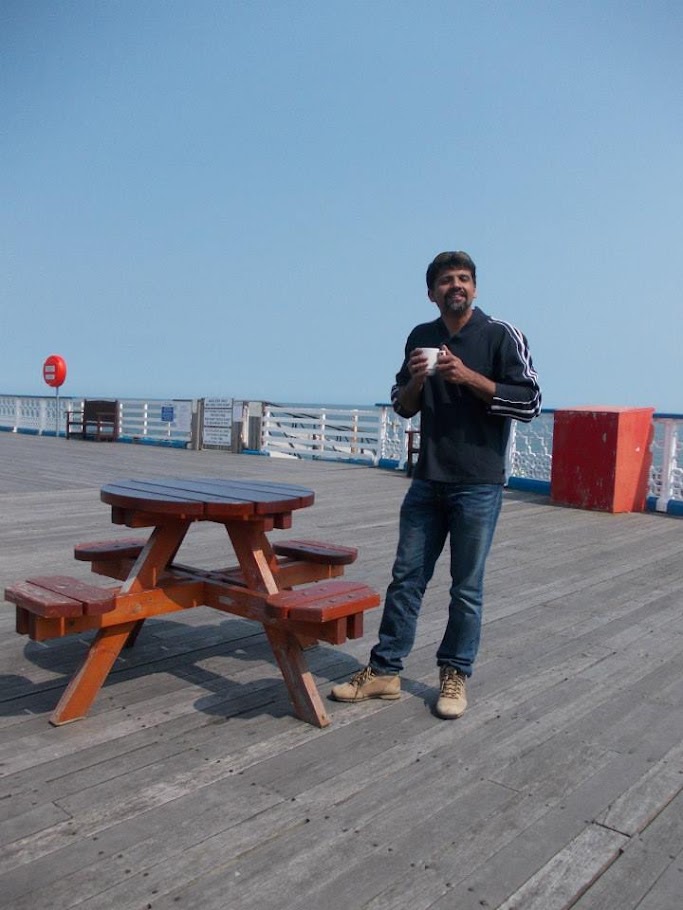
On our drive back to London, we made a detour to the lovely seaside resort town of Llandudno, best known for its Victorian pier and traditional seaside charm. Unfortunately, the weather had other plans. That summer was unseasonably cool, and although we had hoped to explore the town, we ended up spending much of our time hopping between cafés, seeking refuge over warm drinks. Despite the chilly weather, I’d definitely recommend adding Llandudno to your itinerary. It’s well worth a visit!
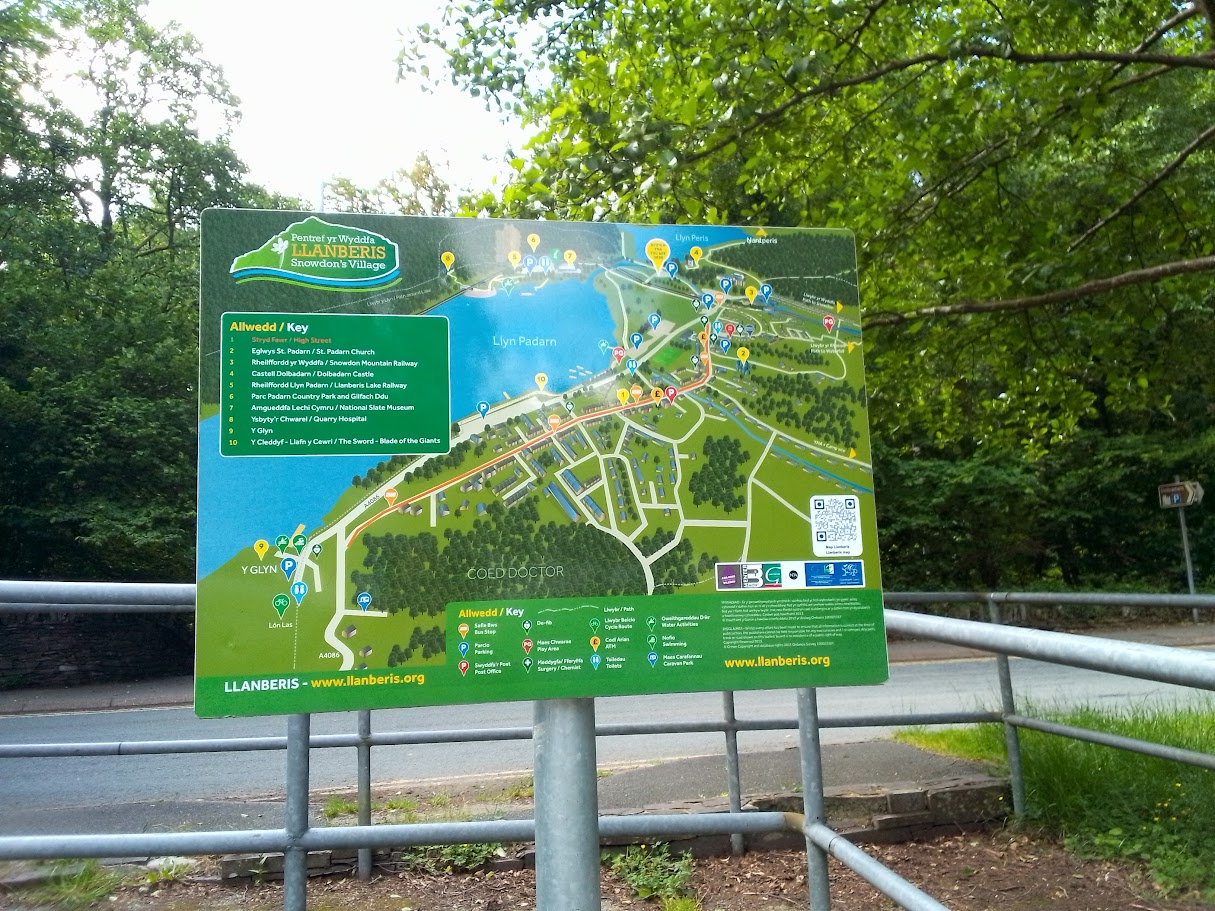
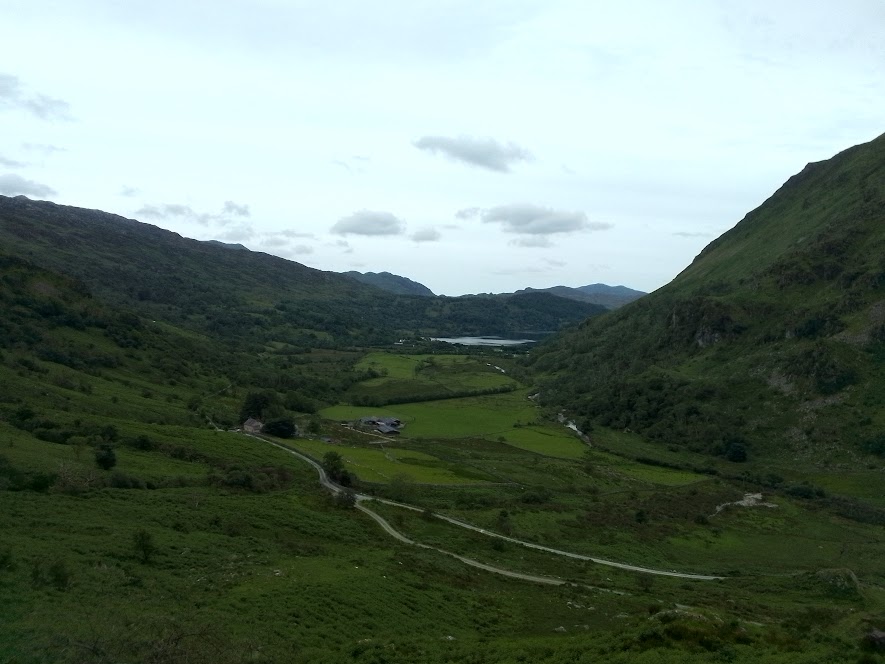
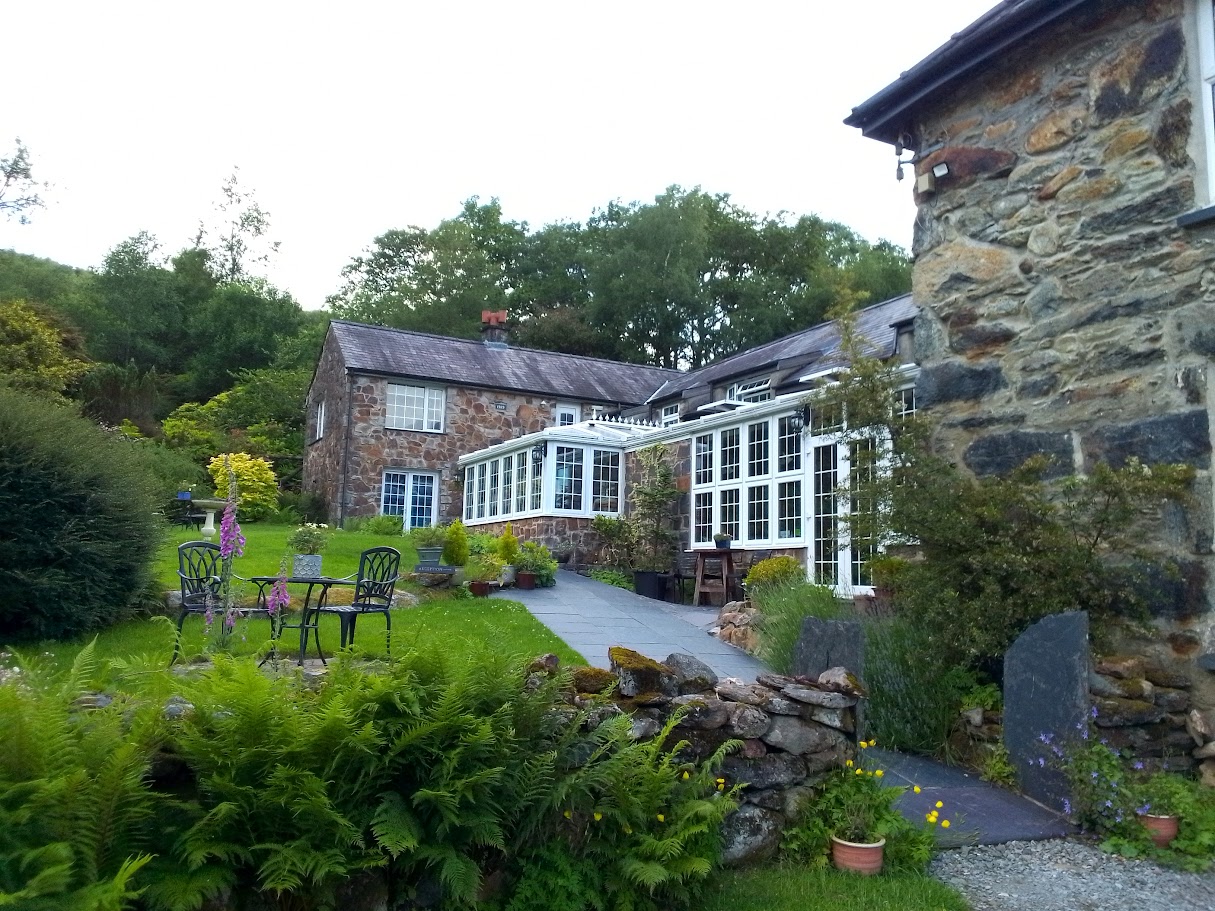
More recently, in 2025, I had the opportunity to revisit the area during a sabbatical trip to the UK. This time, we decided to venture a little off the beaten track and base ourselves in the small village of Beddgelert. We stayed at the lovely Sygun Fawr Country House, about a mile from the village centre. The accommodation was fantastic, although getting there involved navigating a rather steep and narrow road, which was a bit of an adventure in itself!
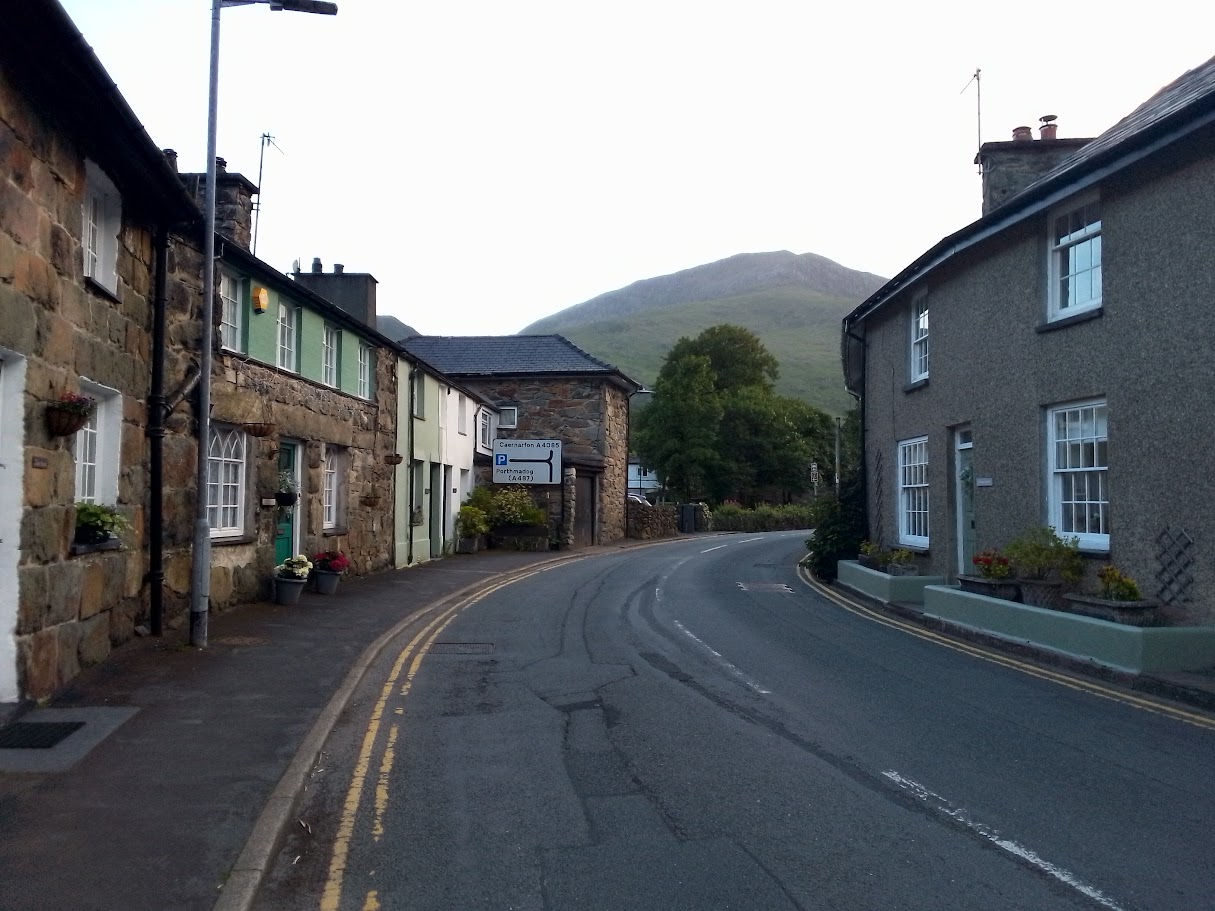
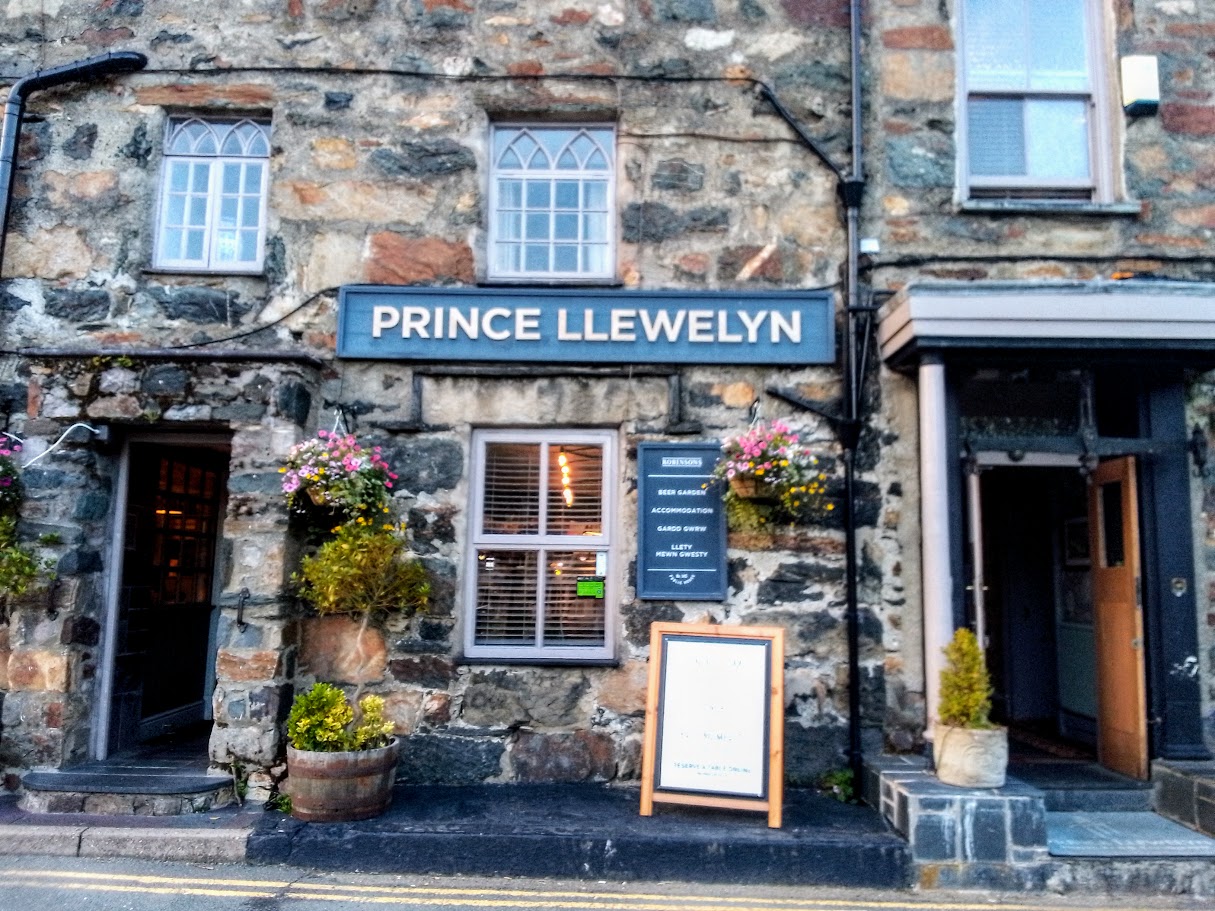
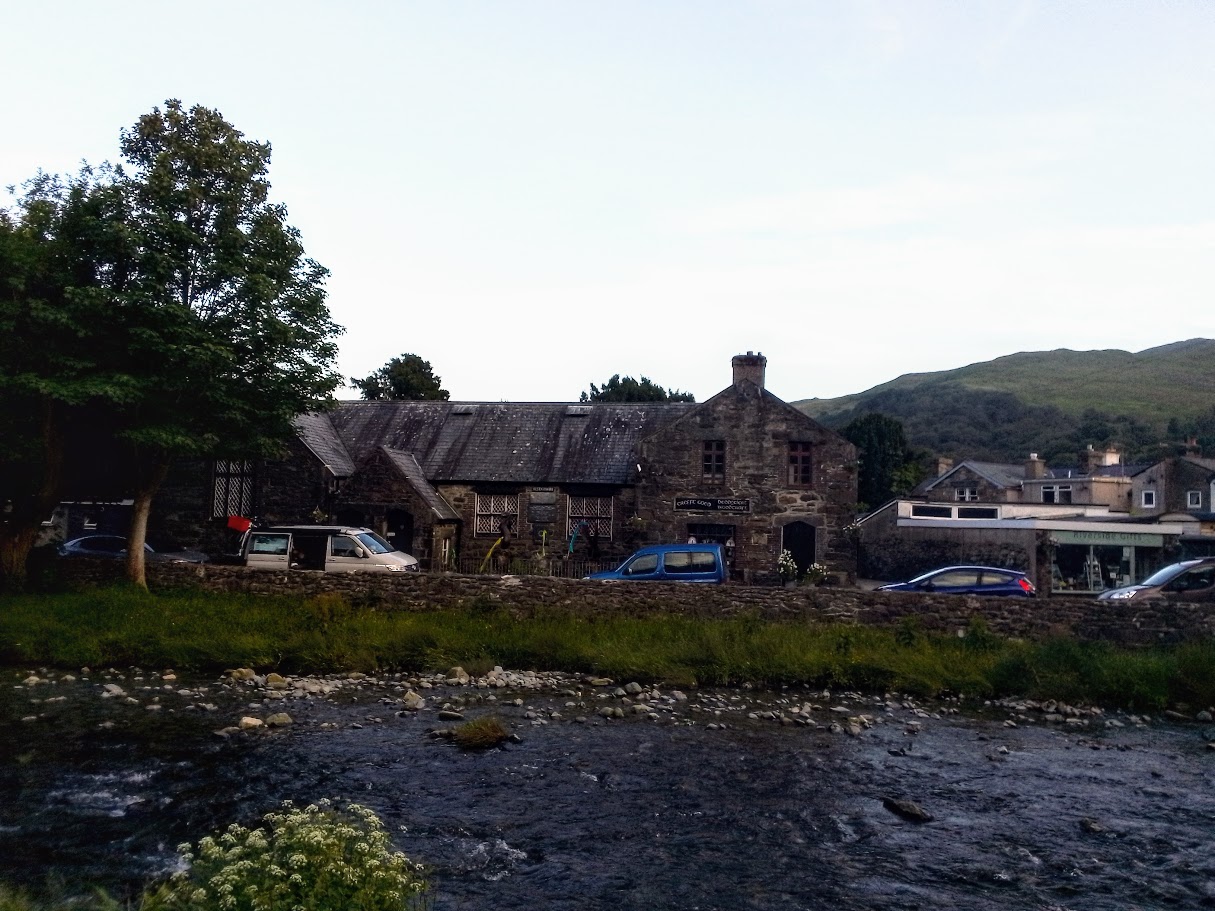
Beddgelert is an absolute delight, with its quaint streets, charming cafés and a couple of restaurants. We ended up having a few meals at the ever-popular Prince Llewelyn Hotel, which was always buzzing with visitors. The village is particularly picturesque, sitting at the confluence of the Glaslyn and Colwyn rivers. A walk along the riverbanks is a must, offering some lovely scenery and plenty of opportunities to simply enjoy the peaceful surroundings. We did, however, encounter an unexpected obstacle along the way: an entire herd of cows occupying the path! Along with a few other fellow city slickers, we patiently waited for them to decide to move along before continuing our walk.
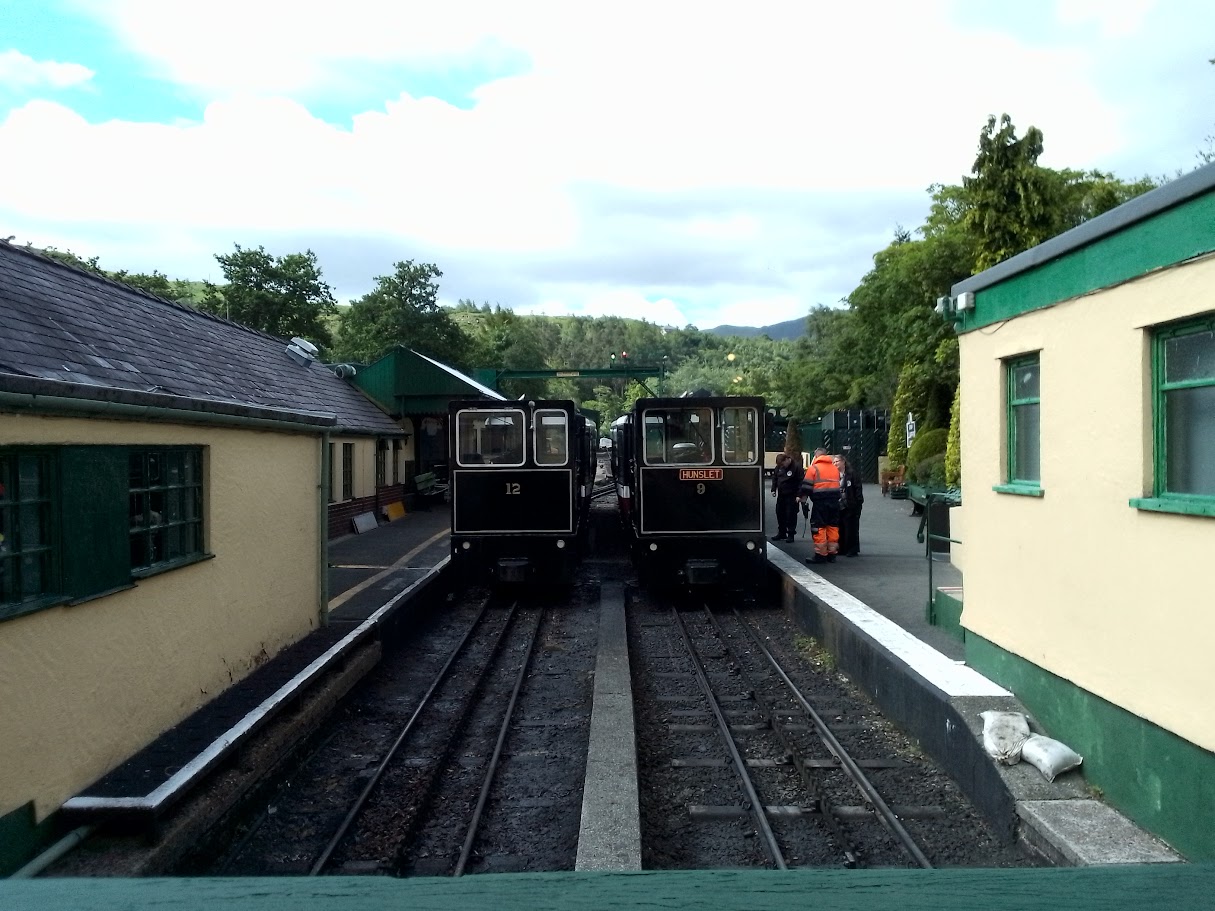
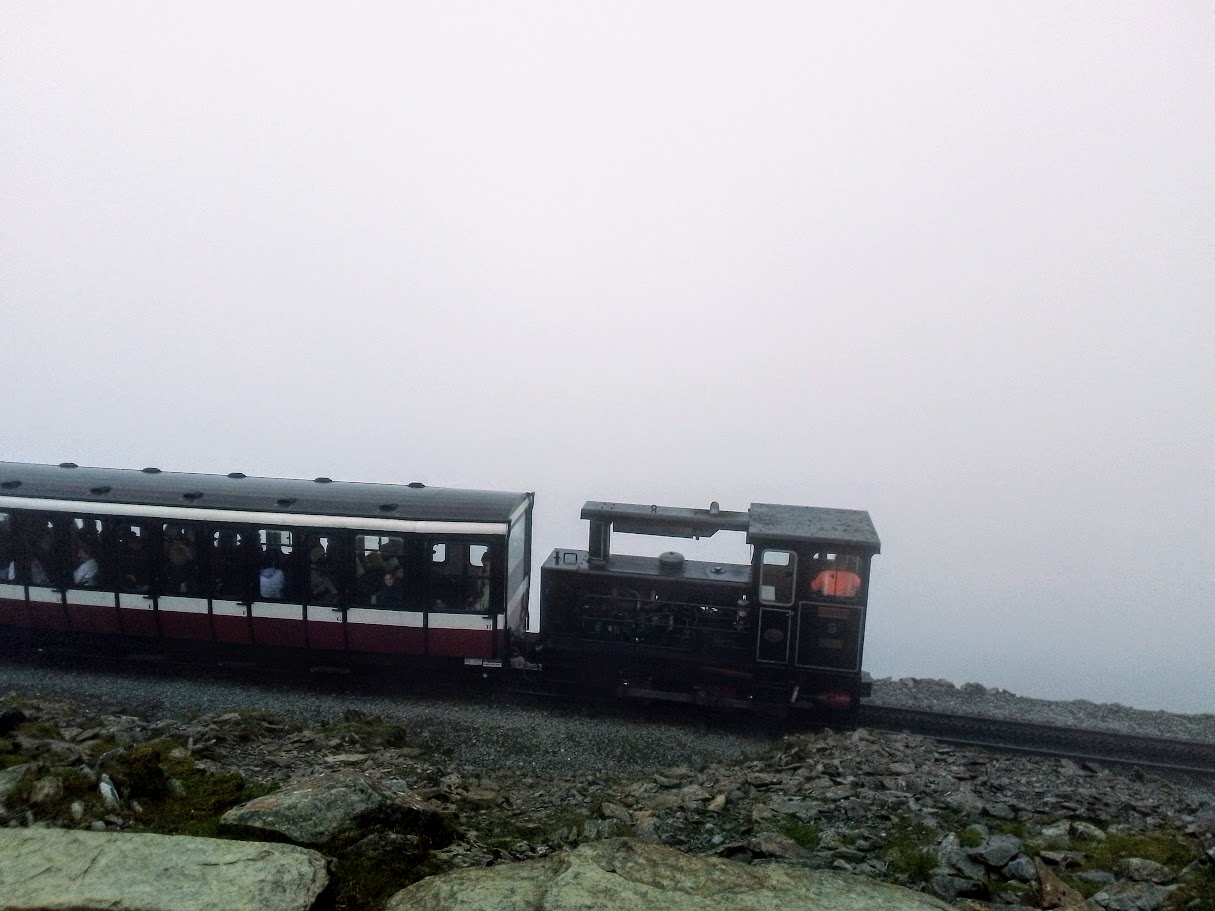
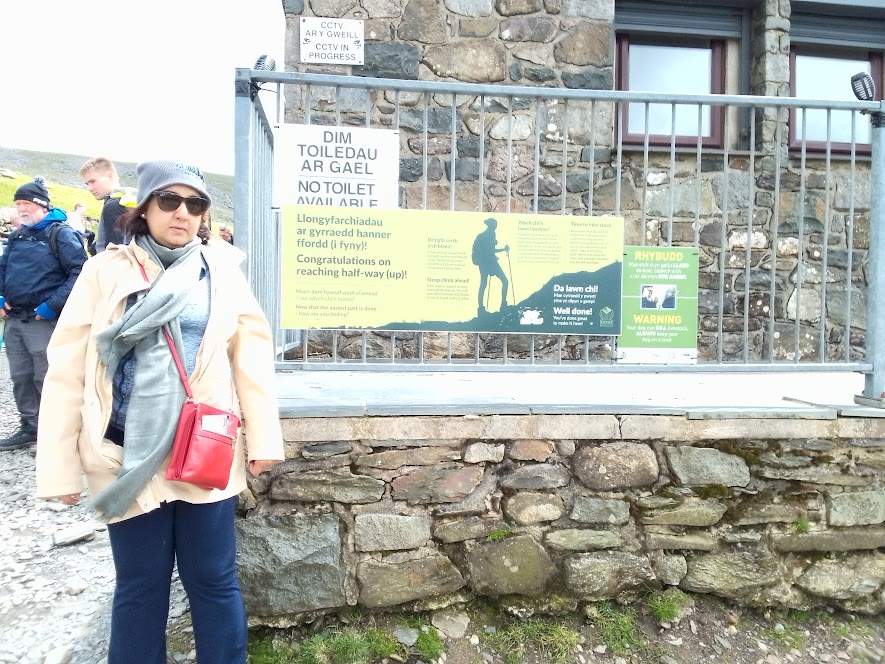
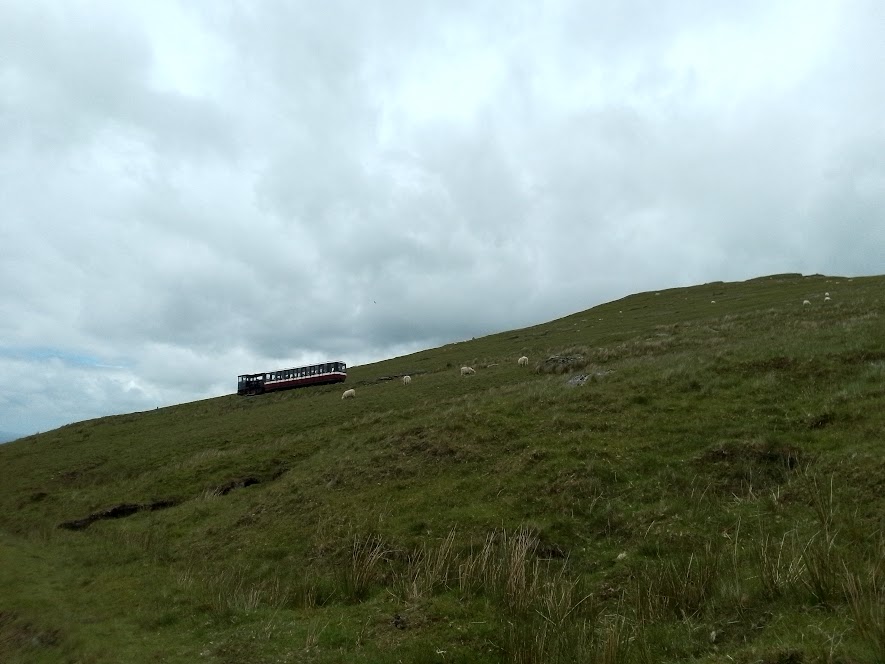
On this visit, we decided to try a slightly different approach to conquering Snowdon. We took the mountain railway up to the summit and then hiked back down towards Llanberis along the Llanberis Path. The train journey itself takes around 30 minutes and is an experience worth savouring, with engaging commentary along the way covering the mountain’s history and various points of interest. It’s certainly more than just a convenient way of reaching the top!
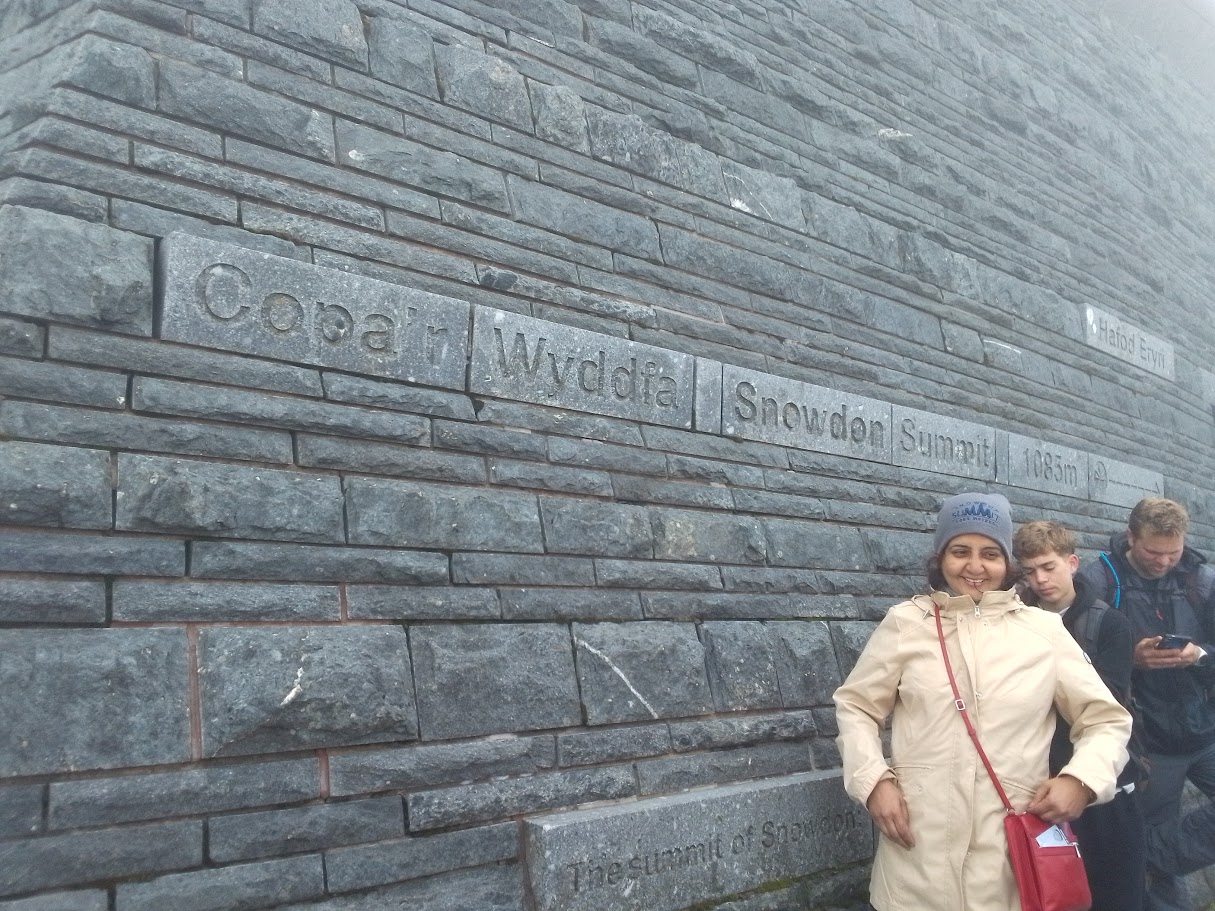
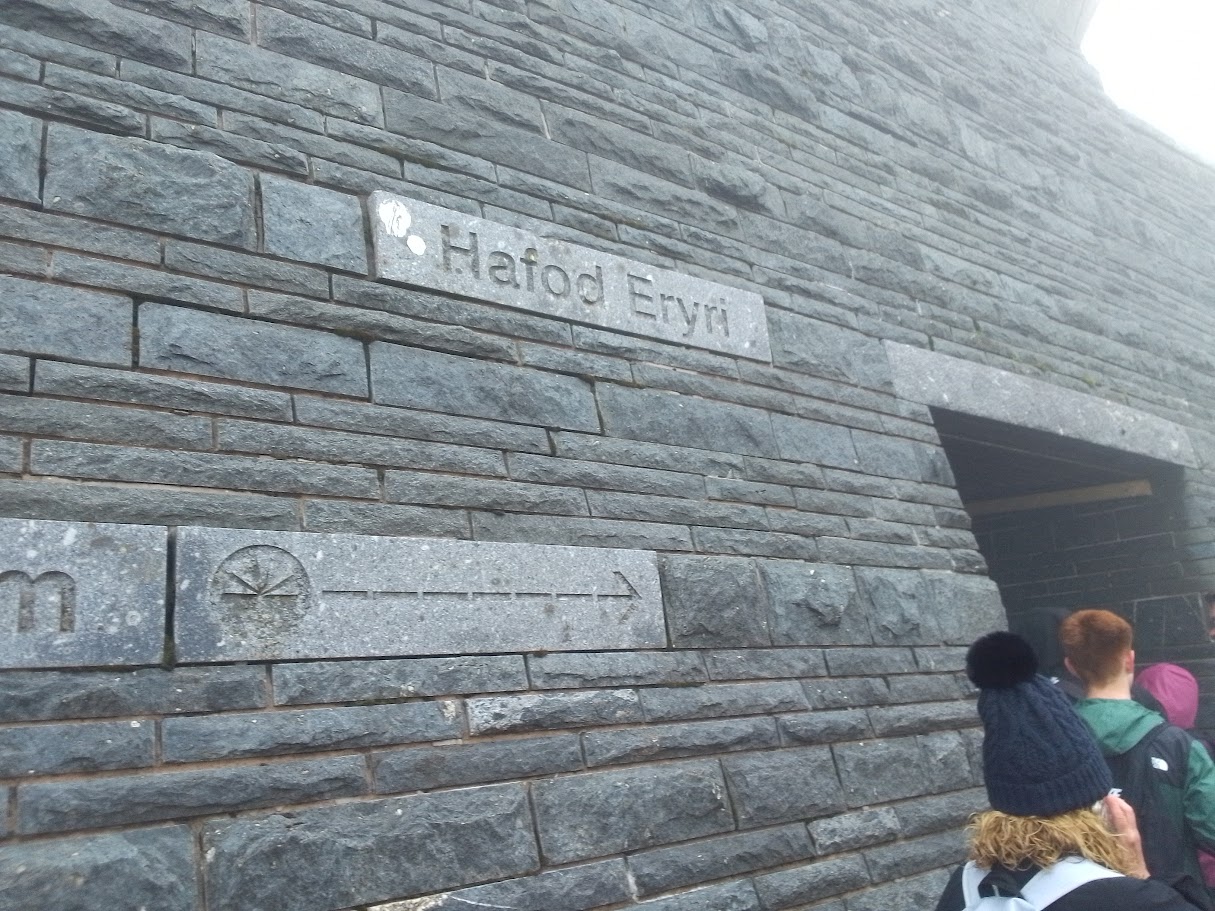
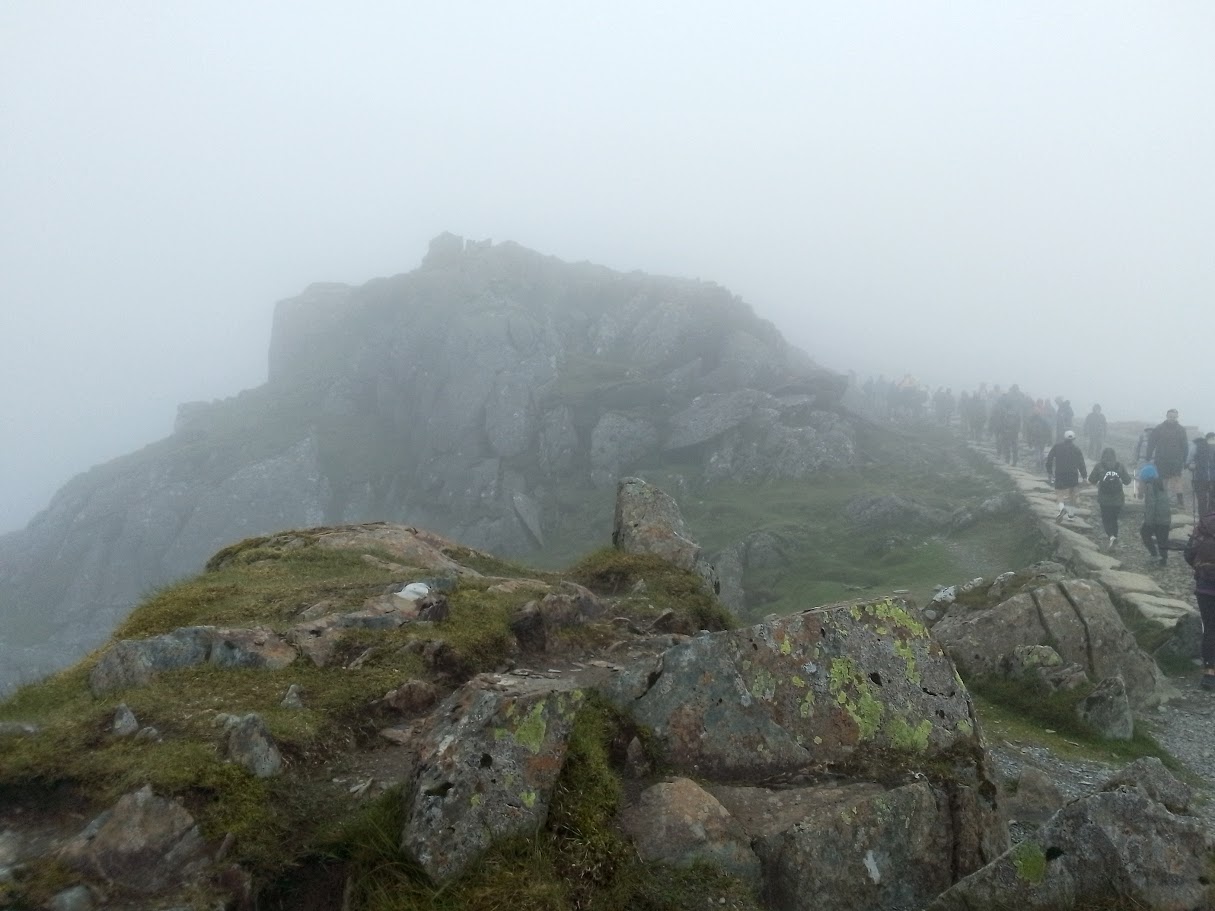
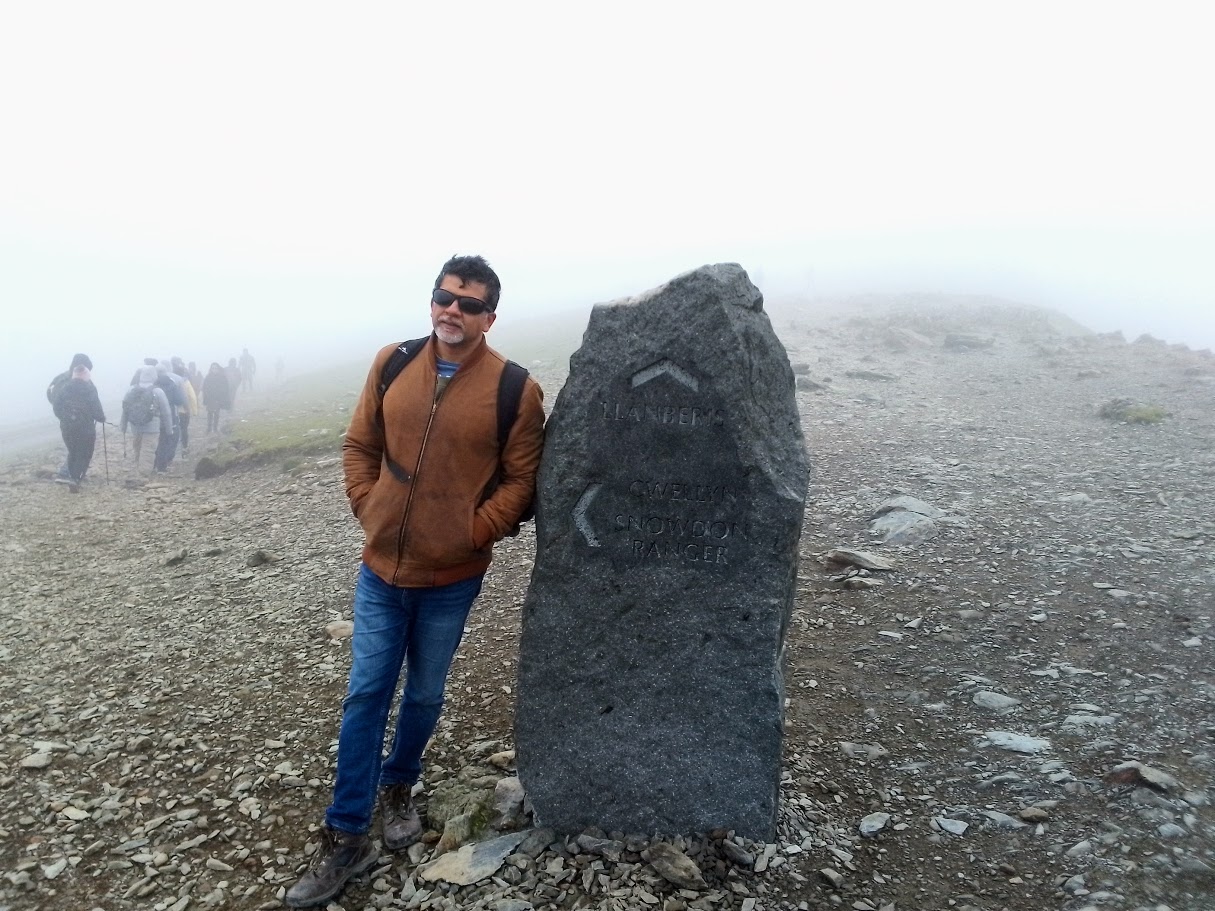
One thing to remember, though, is that the weather at the summit can be dramatically different from conditions down in the villages. Fog, chilly temperatures and strong winds can make the final stretch particularly challenging. Thankfully, there’s a café at the summit offering a welcome refuge from the elements, along with hot drinks and comforting food – both very much appreciated after the journey up!
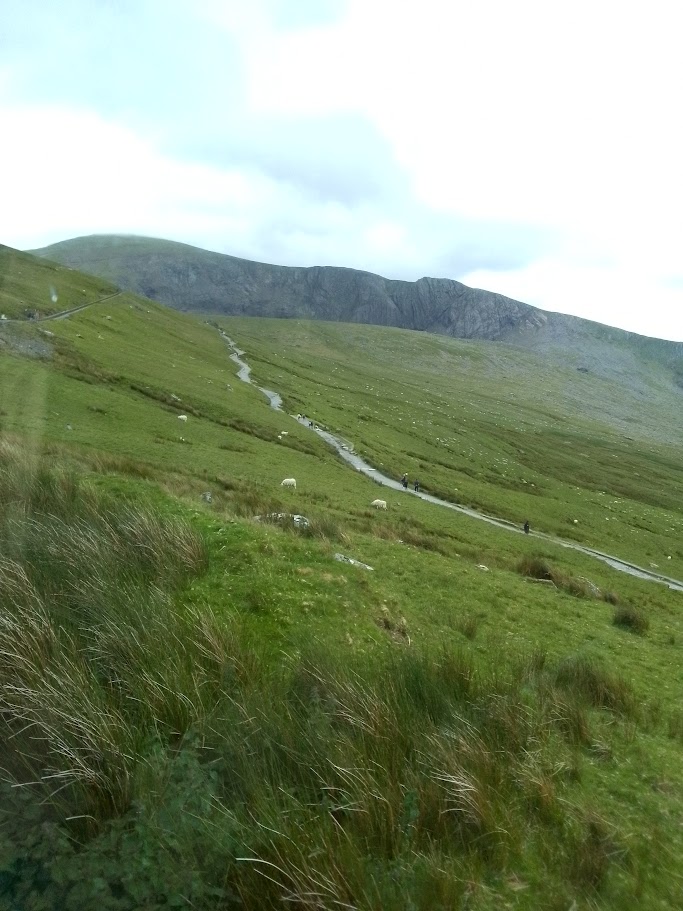
The hike back down to Llanberis took us around two and a half hours. In retrospect, I think taking the train up and walking down was perhaps the kinder option for the knees! Once we reached Llanberis, we stopped for a well-deserved lunch before making our way back to Beddgelert.
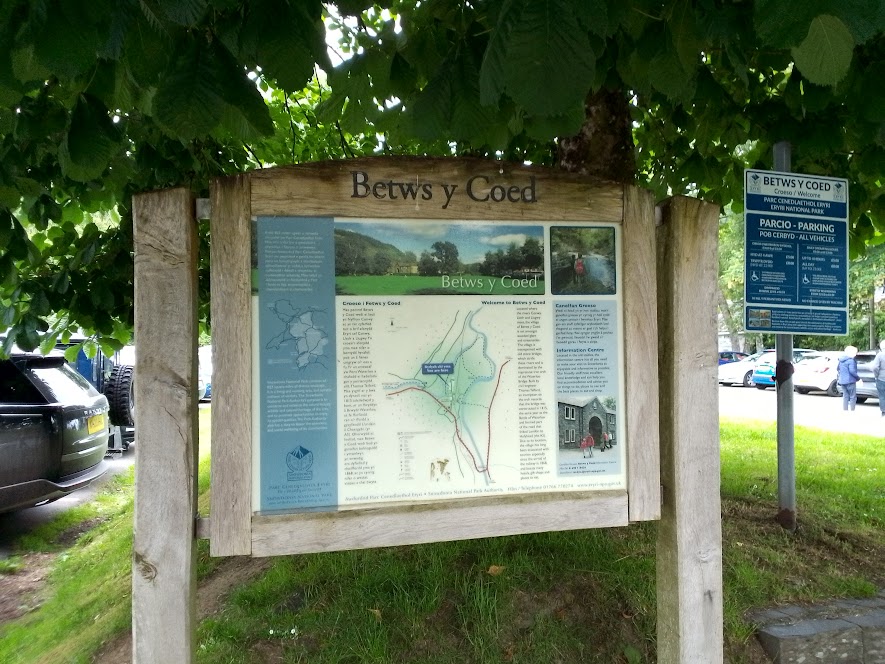
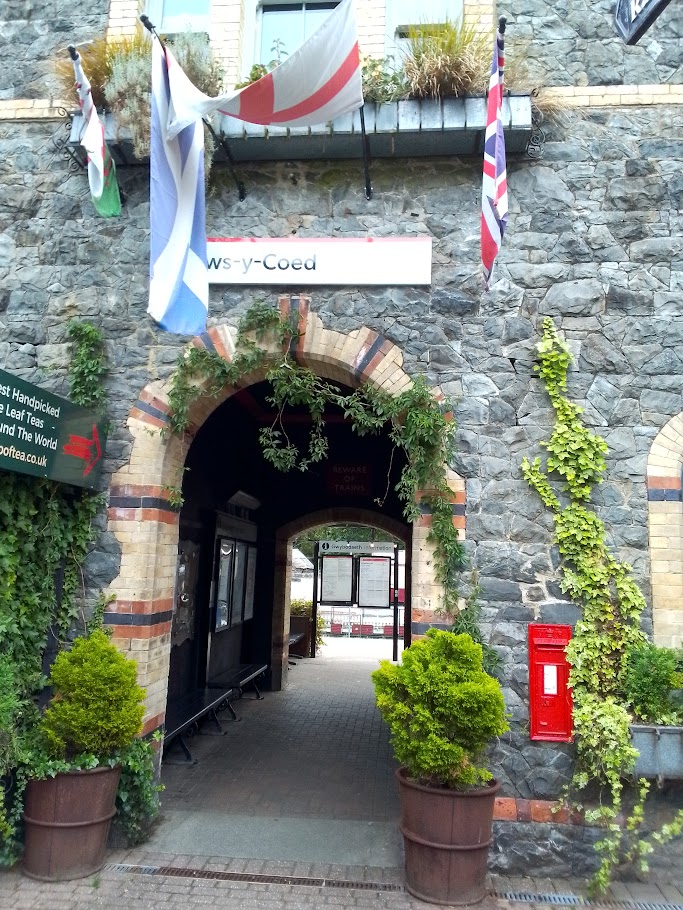
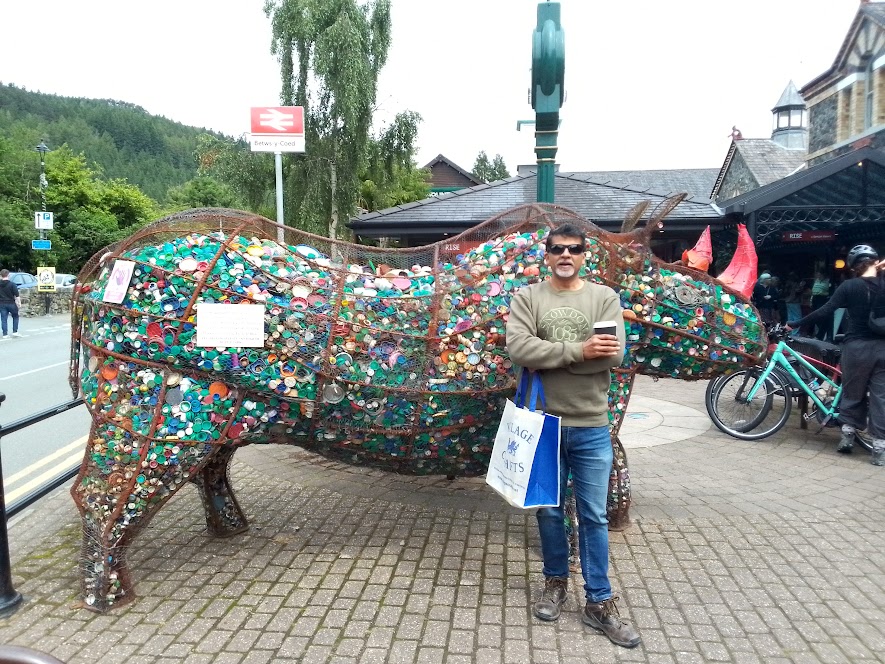
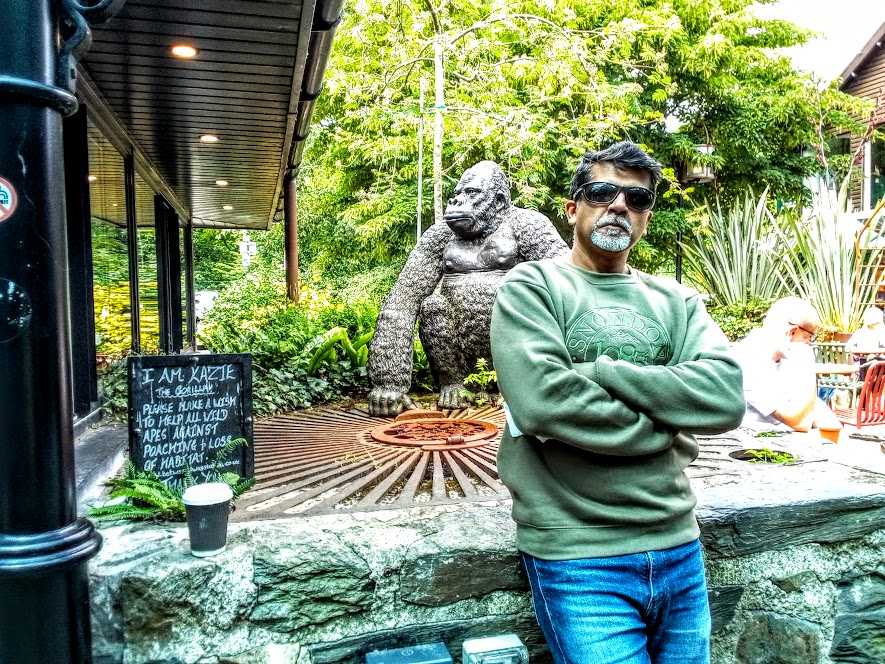
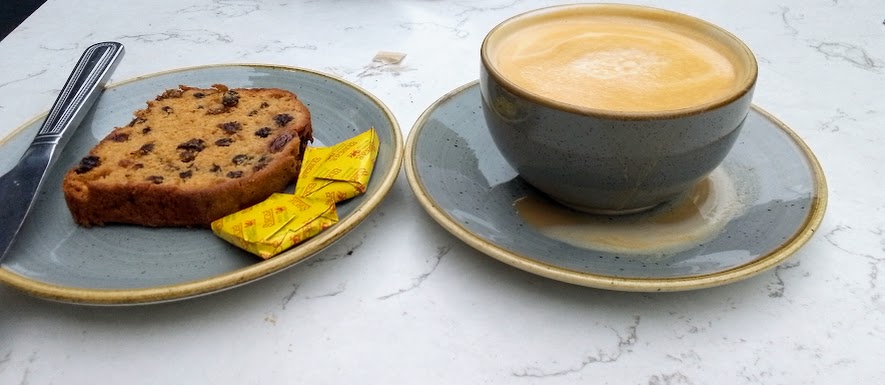
o visit to Snowdonia would quite be complete without stopping at the quintessential Welsh village of Betws-y-Coed, often described as the ‘Gateway to Eryri’. Set amid lush woodland, with the River Llugwy flowing through it and charming stone bridges adding to its postcard-perfect appeal, it’s one of those villages that seems to have come straight out of a storybook. The main street can feel a little touristy, particularly during the busy season, but don’t let that put you off. Wander down its quieter lanes, cross one of the old stone bridges or follow the riverside paths, and you’ll discover plenty of its original charm. With its traditional Welsh buildings, independent shops, cafés and cosy pubs, it’s also an excellent alternative to Beddgelert as a base for exploring the region. We stopped here on our way back, indulging in some freshly baked Welsh cakes and coffee before spending some time exploring the village and browsing the shops (well, we were tourists after all!).
I’ve now visited this part of Wales twice, and on both occasions I’ve come away thinking what a wonderful corner of the British Isles it is. There’s something about the combination of dramatic mountains, beautiful walking trails, riverside villages and cosy country pubs that makes the whole area so appealing. I particularly love how easily a day here can shift from a challenging mountain hike to a leisurely stroll through a village, stopping for coffee or a hearty pub meal along the way. And while I’ve managed to explore quite a bit, there’s still plenty left on my list. I’d happily return for another dose of Welsh mountain air, beautiful scenery and village charm – hopefully sooner rather than later!


